US pharmaceutical companies run clinical trials of GLP-1 drugs for cats, including a once-weekly injection
Four out of five cats lost weight in implant chip study
Accidental injections of human obesity drugs in pets also reported
14.7 percent of pets in South Korea classified as obese
A look at what can happen to your dogs and cats — exploring the systems, research and global cases behind the stories.
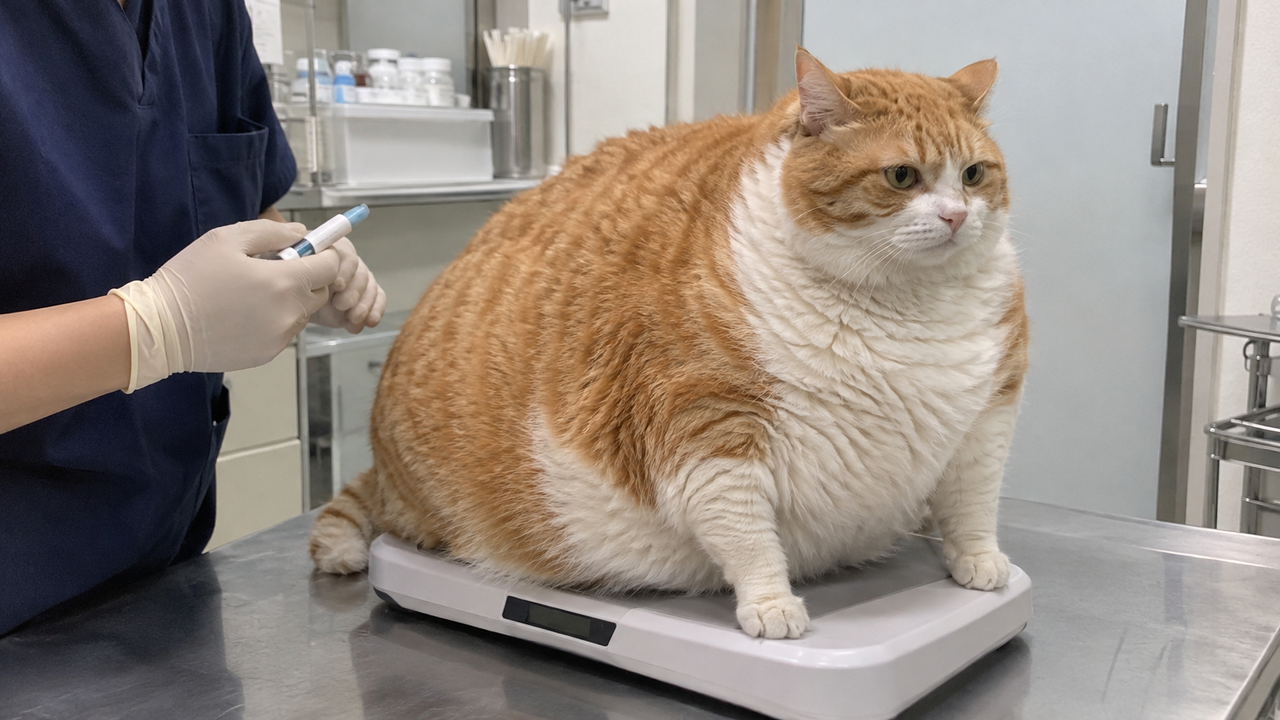
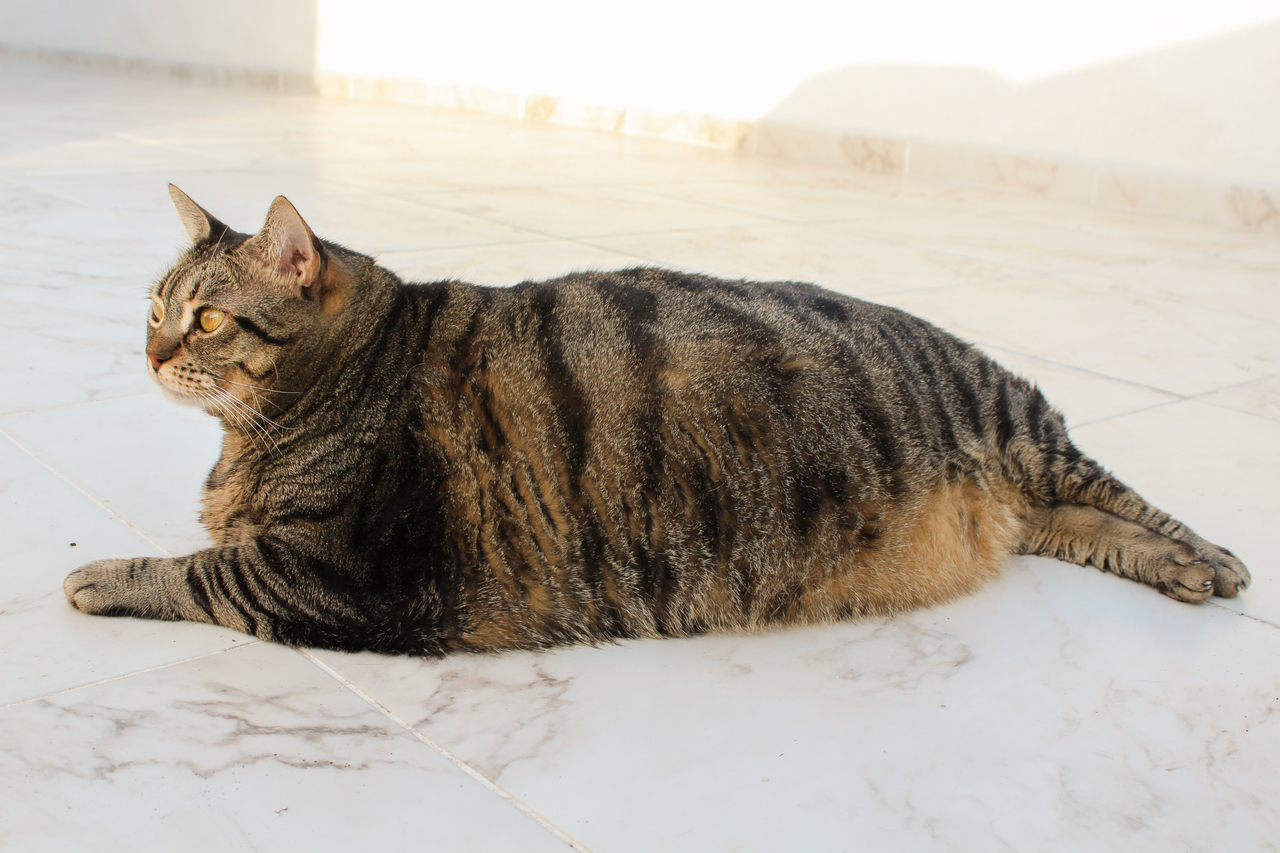
Patches, a cat who became known across the United States for weighing 19 kilograms, has been on a diet for nearly three years and has still not reached her target weight.
Patches first made headlines in April 2023, when a Richmond, Virginia animal shelter posted about her on Facebook with the caption: "Did you wake up this morning and decide you wanted to adopt the biggest cat you've ever seen?" The post went viral, drawing adoption inquiries from across the country, and Patches was adopted within a day by a local resident, Kay Ford.
Ford fed Patches according to a calorie plan set by a veterinarian and played with her using toys for at least 10 minutes five times a day. According to local broadcaster WTVR, Patches weighed 8.4 kilograms in January this year — nearly 11 kilograms lighter after close to three years of dieting.
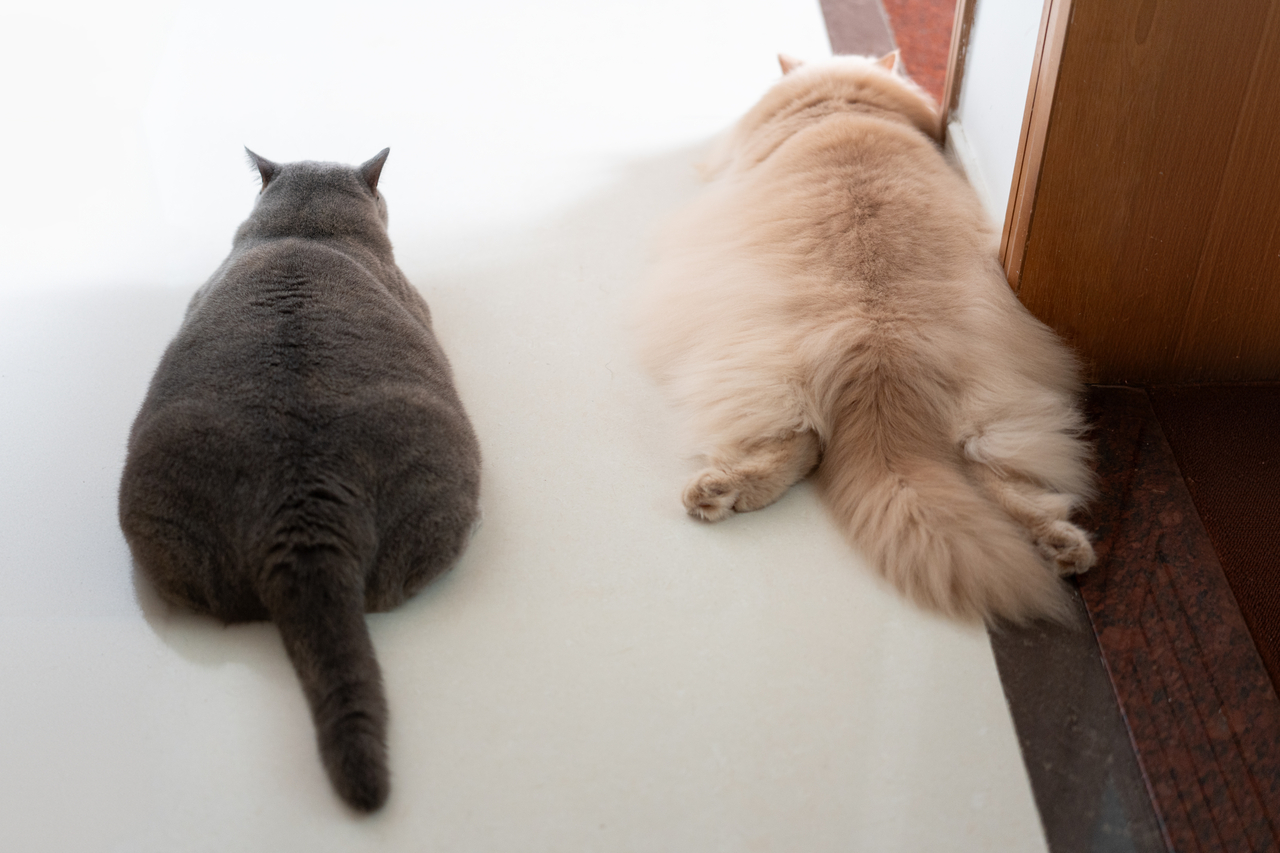
The difficulty of getting cats to lose weight has prompted researchers to look for a pharmaceutical solution. Studies testing a drug in the same class as the human obesity treatment Wegovy on cats are gaining momentum in the United States.
Wegovy mimics GLP-1, a hormone released by the gut after eating. GLP-1 signals the brain that the body is full and slows the stomach's emptying of food, reducing appetite.
One US pharmaceutical company is developing an implantable chip for cats that, once placed under the skin, releases the GLP-1-class drug exenatide gradually over six months.
According to the trade publication Drug Discovery and Development, the company is conducting the first GLP-1 clinical trial in cats under the oversight of the US Food and Drug Administration's Center for Veterinary Medicine.
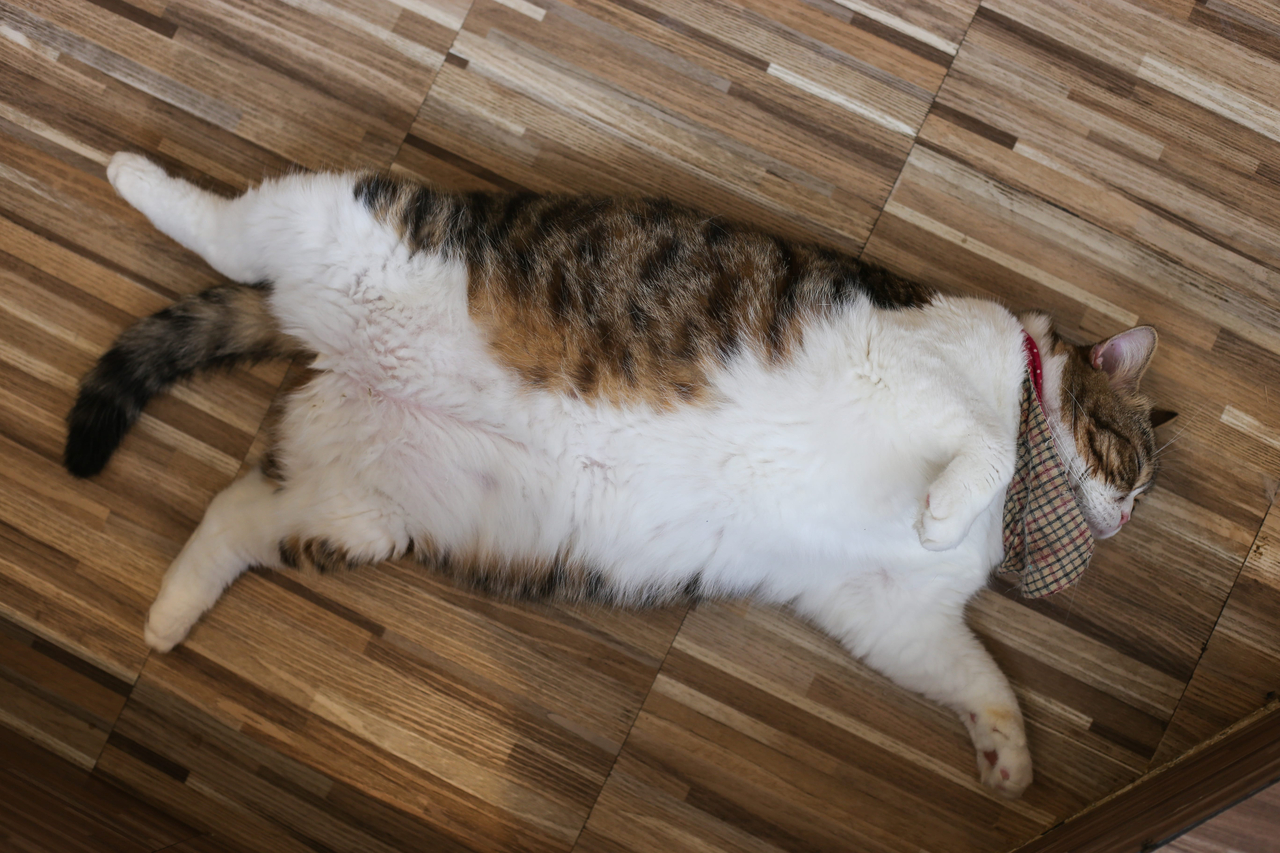
4 in 5 cats lost weight in trial
The developer's research team published results in the international journal BMC Veterinary Research in 2024, reporting on five male laboratory cats that each received a single chip implant and were monitored for 112 days.
The drug compound was consistently detected in the cats' blood from one week after implantation through day 70. Four of the five cats lost an average of 0.54 kilograms over the 112-day period.
The four cats that lost weight shed the pounds during the first 28 days and then maintained that lower weight, remaining more than 5 percent below their starting weight through day 112. The heaviest cat, however, gained 6.2 percent of its body weight between day 28 and day 112.
No significant side effects were observed, and no inflammation developed at the implant site. The research team said a single chip could deliver a GLP-1-class drug over several months.
The same research team had earlier published results in the international journal Frontiers in Veterinary Science in 2021, reporting on the first safety test of the chip in 19 healthy cats.
That study, which also involved researchers from the University of Florida College of Veterinary Medicine, found that the procedure to insert and remove the chip took one to two minutes, with no adverse reactions at the implant site.
'The most common yet least treated condition'
According to the veterinary trade publication dvm360, another US pharmaceutical company launched a clinical trial last November of a once-weekly GLP-1 injection for cats, in collaboration with Cornell University College of Veterinary Medicine.
The research team is administering injections to 70 pet cats over approximately 11 weeks and monitoring changes in body weight and any side effects. The company said laboratory cats showed reduced food intake with no adverse effects.
The company's chief executive said feline obesity is "one of the most common yet least effectively treated health problems in veterinary medicine."
A 2022 survey by the Association for Pet Obesity Prevention found that 61 percent of cats in the United States were overweight or obese. Research has also shown that obese cats face a sevenfold higher risk of developing metabolic conditions such as diabetes.
University researchers unaffiliated with the developers have also seen potential in feline obesity drugs. Helena Zomer and Paul Cook of the University of Florida reviewed the literature in a 2024 paper published in the international journal Biology, concluding that GLP-1-class drugs such as Wegovy (semaglutide) and Mounjaro (tirzepatide) had produced "remarkable weight loss effects" in mice, monkeys and humans.
The research team said GLP-1-class drugs could also be applied to weight management in pets and called for studies examining their efficacy and safety in animals.
However, Rachel Shaw, CEO of the Abu Dhabi Animal Welfare Authority, said lifestyle management should come before medication. "Pet obesity is rarely a metabolic issue — it's a management issue," Shaw told UAE daily The National. "No drug can outrun excess calories."
Wegovy in the fridge a danger to pets
Accidents involving pets being given human obesity drugs have also been reported.
According to dvm360, a pet sitter in the United States injected a diabetic Siberian husky with its owner's Ozempic on multiple occasions instead of insulin. The husky became lethargic and vomited, but recovered within two days after receiving treatment for low blood sugar.
A cat injected with Ozempic by a family member fell into what was described as a "near-comatose state" from severe hypoglycemia and dehydration before receiving treatment including glucose IV fluids.
Renae Schmid, a veterinary toxicologist at the American Society for the Prevention of Cruelty to Animals Animal Poison Control Center, warned that "Ozempic can easily be confused with insulin if you're not paying close attention," adding that "people often store these medications together in the refrigerator, making mix-ups easy — and the consequences can be devastating."
Pet obesity is also a significant concern in South Korea. According to KB Financial's "2025 Korea Pet Report," 14.7 percent of pets in the country have been diagnosed as obese by a veterinarian. Obese pets incurred average veterinary costs of 1.905 million won ($1,430) over the past two years — 2.3 times the 841,000 won spent on pets not diagnosed as obese.
Pet owners cited overeating, lack of exercise and weight gain following neutering surgery as the main causes of obesity.
dbsdn1110@heraldcorp.com