Remsima commands 95% share in Singapore, 83% in Hong Kong; three anticancer drugs also lead in major markets. Direct-sales strategy through local subsidiaries drives gains as high-margin follow-on products roll out.
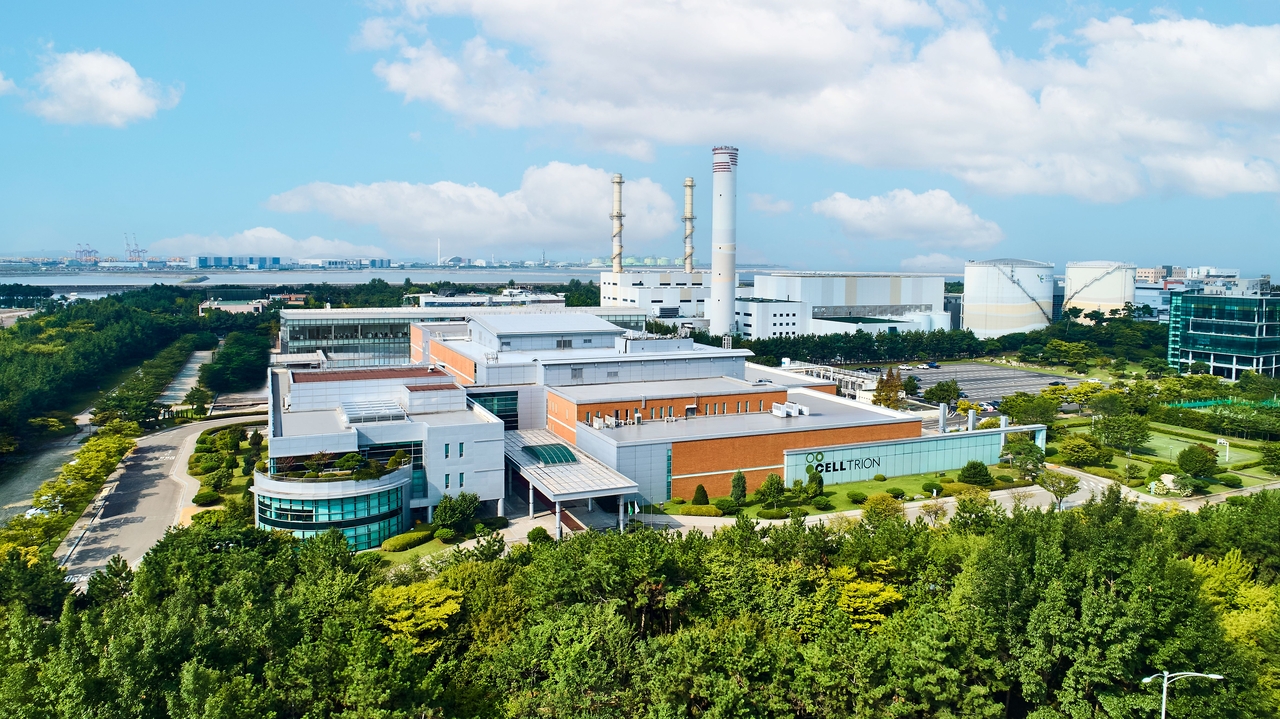
Celltrion is consolidating its dominance across Asia's fast-growing pharmerging markets, leveraging commanding market share in its core autoimmune and oncology biosimilar lines.
The company said Thursday it has maintained the top share position across its key product lines in major Asian markets — including Malaysia, Singapore and Thailand — by deploying a direct-sales strategy through local subsidiaries tailored to each country's tender environment and hospital procurement needs.
According to IQVIA, Celltrion's flagship autoimmune treatment Remsima — available in both intravenous and subcutaneous formulations — held first-place prescriptions as of the second quarter of this year, with a 95% share in Singapore, 83% in Hong Kong and 75% in Malaysia.
The company is also leading in oncology. Herzuma (trastuzumab), used to treat breast and gastric cancer, ranked first in Hong Kong at 67%, Thailand at 59% and Malaysia at 52%. In Thailand particularly, its share jumped 17 percentage points quarter-on-quarter to reach 59%, widening its lead over competing products. Truxima (rituximab), a blood cancer treatment, reinforced its prescription advantage with a 92% share in Singapore, 78% in Thailand and 41% in Hong Kong.
Vegzelma (bevacizumab), used to treat metastatic colorectal and breast cancer, posted a sharp rise in Malaysia. After ranking fourth in the local bevacizumab market in the fourth quarter of last year, Vegzelma surged to first place in the first quarter of this year and held that position in the second quarter with a 25% share.
Celltrion said its direct-sales strategy — combining reliable supply capabilities with rapid response to hospital needs — proved effective in Asia's tender-driven markets. Expanding contact with medical professionals through partnerships with major healthcare institutions and participation in local academic conferences also helped broaden its share by highlighting the clinical strengths of its products.
Building on the local sales networks established by its existing flagship products, the company is also accelerating the launch of high-margin follow-on products. In Singapore, Malaysia and other markets, it has introduced the allergy treatment Omrizur (omalizumab) and the autoimmune treatment Steqeyma (ustekinumab) in a series of rollouts since late last year.
Further launches are lined up. Vegzelma is set to debut in Hong Kong later this month, followed by the osteoporosis treatment Stoboclo (denosumab) in Thailand in December. In February next year, Celltrion plans to launch the ophthalmic treatment Idenzelt (aflibercept) in Singapore and Omrizur in Thailand.
The results underscore how the direct-sales infrastructure built by first-generation biosimilars — now dominant in Asian tender markets — is functioning as a self-reinforcing platform that lowers market-entry costs and maximizes profitability for higher-margin follow-on products.
"Key product lines including Remsima continue to deliver overwhelming market share performance across Asia, solidifying our position in the region," a Celltrion official said. "We will leverage the direct-sales capabilities and brand value of our local subsidiaries to accelerate the early market establishment of high-margin follow-on products and sustain earnings growth across Asia."
silverpaper@heraldcorp.com