White House pushed to reinstate reporter, but Chinese officials refused
China calls shouting questions 'rude'; Trump says it's 'a shame' press missed part of visit
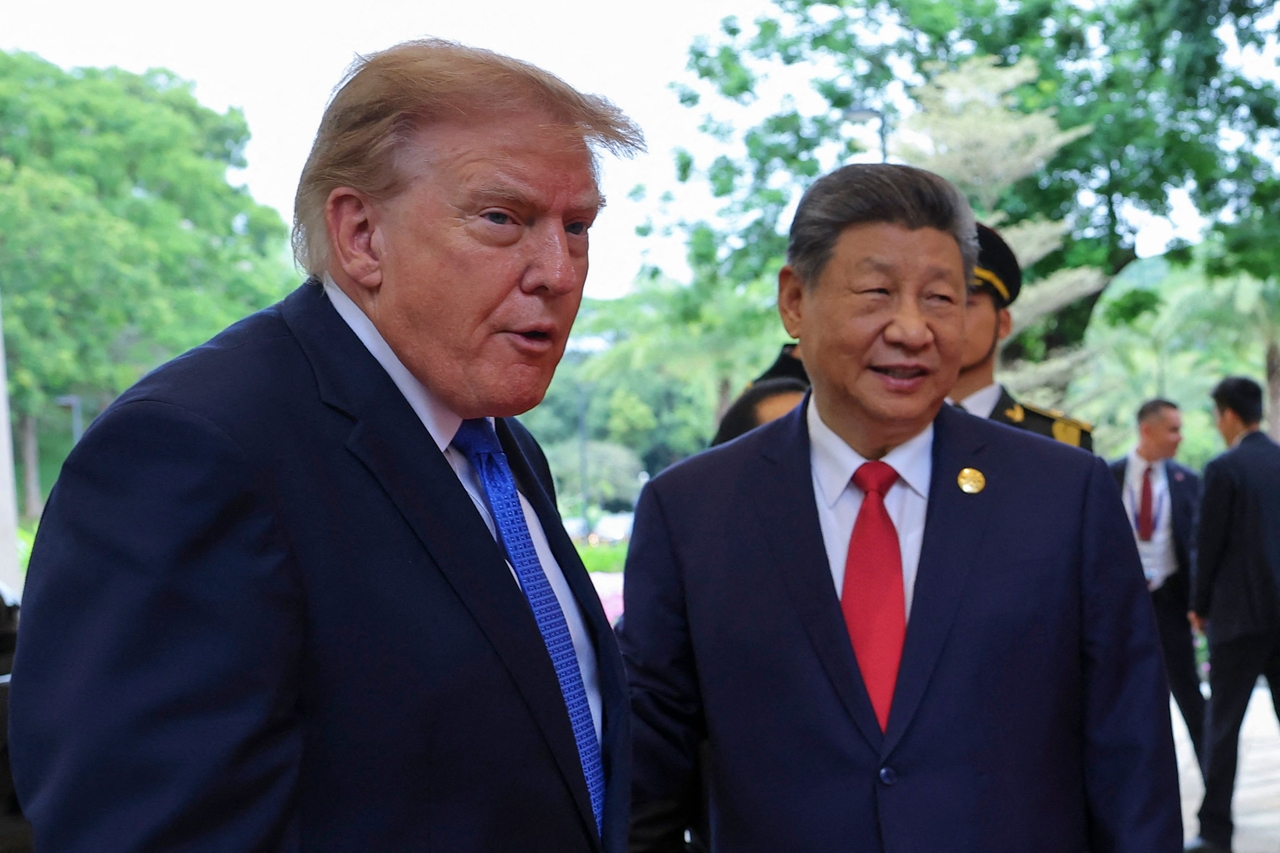
Chinese authorities barred an American journalist from covering a trilateral meeting among the United States, China and Russia after the reporter shouted a question at President Donald Trump during the US-China bilateral summit. The White House pushed to have the journalist reinstated, but Chinese officials refused.
According to The New York Times, Fox News and other outlets, Bloomberg TV correspondent Anne-Marie Hordern — a member of the White House press pool — called out loudly to Trump as he was wrapping up his opening remarks at the US-China summit, held Thursday at Qilin Mountain Villa in Shenzhen, Guangdong Province. "President Trump, was Jensen Huang disloyal to America?" she asked.
Trump did not respond. Chinese President Xi Jinping glanced toward the press contingent before looking away. A Chinese security guard then stepped forward and blocked a camera that had been filming the moment. Another reporter attempted to ask a question but was stopped by Chinese officials.
Hordern was subsequently excluded from covering the opening remarks of the trilateral meeting among Trump, Xi and Russian President Vladimir Putin.
A White House pool report cited by The Hill and other outlets stated that "the Bloomberg reporter was excluded from this coverage because she asked a question during the bilateral meeting with President Xi," and that "a White House official pushed to have the reporter readmitted, but Chinese officials insisted on the exclusion."
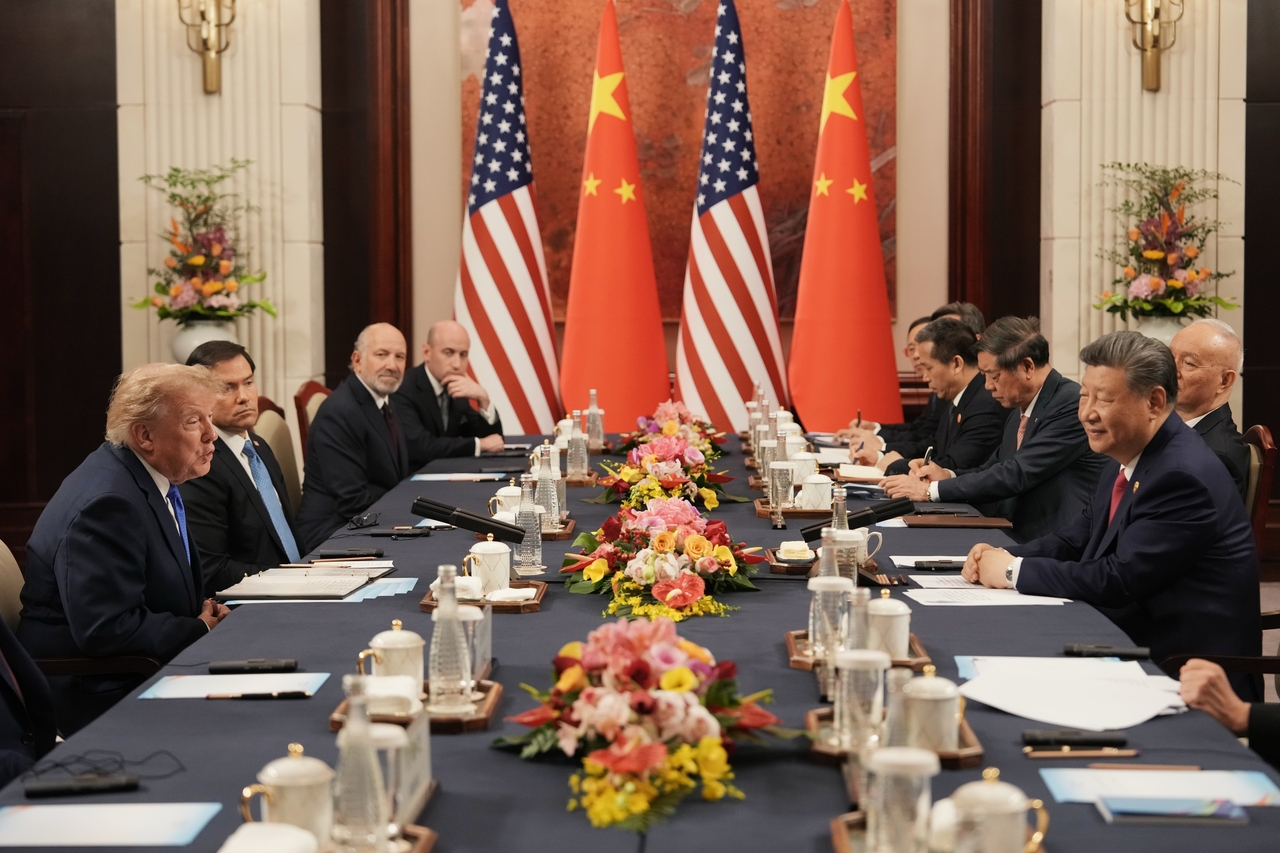
The Washington Examiner reported that journalists had been warned that shouting questions inside the summit venue was considered extremely rude and would result in their removal.
The question Hordern shouted referred to Jensen Huang, the former Nvidia CEO who stepped down after allegations surfaced of an inappropriate relationship with a Chinese technology executive identified by US intelligence as a Chinese spy. The Chinese government denied the espionage allegations.
In an interview with Fox News in Shenzhen on Tuesday, Trump said he may have "briefly mentioned" Huang's situation to Xi at a dinner, calling it "a very tragic thing."
The New York Times attributed the incident to the stark difference between American and Chinese press environments. In the United States, journalists routinely shout questions at presidential events, and presidents respond on the spot.
China, by contrast, strictly controls press access at official events. Only state media are admitted to major functions, and foreign journalists are granted entry selectively. Xi does not hold press conferences or engage directly with reporters.
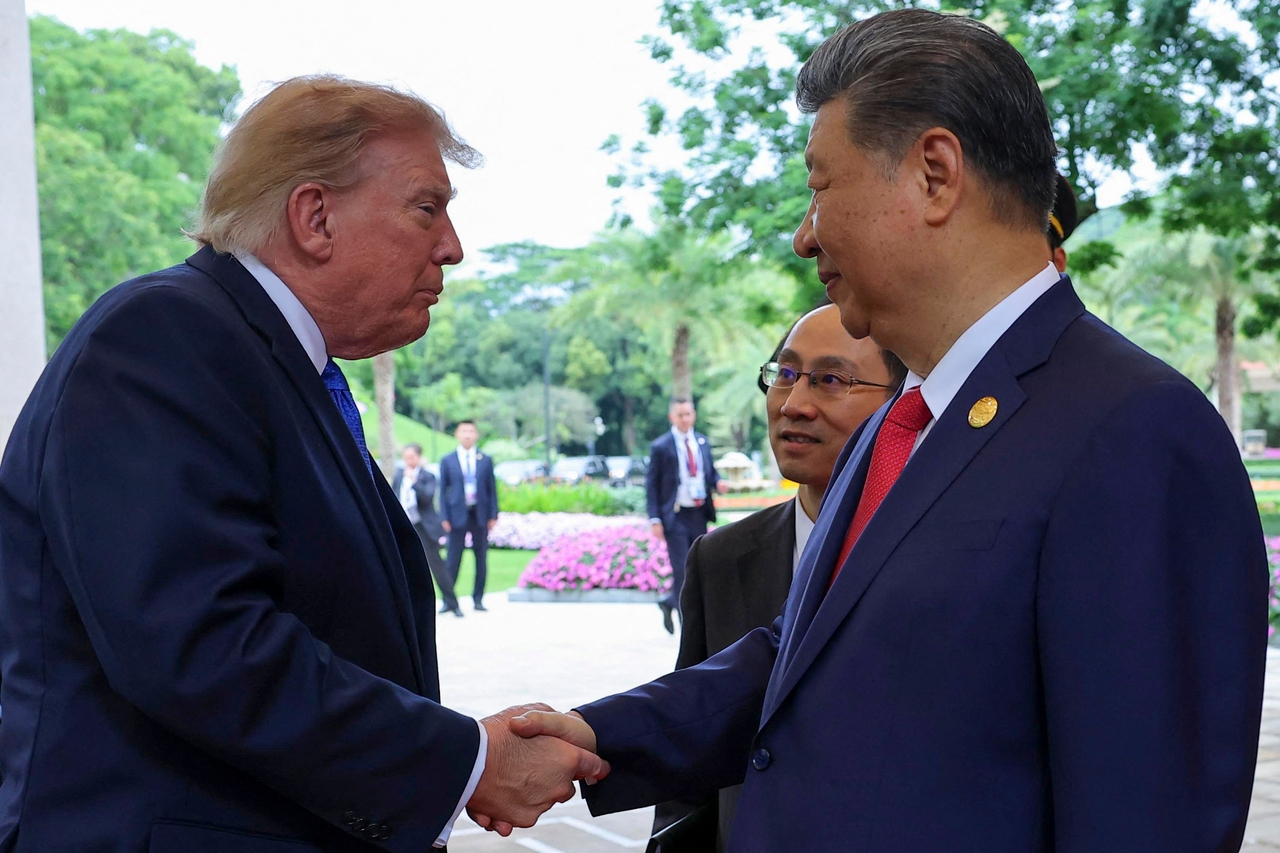
The New York Times criticized China, noting that "for years, China has expelled many foreign journalists, including recently a Times correspondent," and that it "pressures foreign news organizations by threatening to withhold press credentials." No joint press conference was held during the visit.
Trump also expressed disappointment at China's media restrictions. In his opening remarks at the US-China summit, he said of the visit's schedule: "Everything moved perfectly, and it's such a shame that the press wasn't able to see some of it."
dbsdn1110@heraldcorp.com