Budget rises 62 billion won, or 6.2%, from the previous year as the district pushes ahead with key policy projects under its ninth elected administration; 212.6 billion won earmarked for low-birth-rate response, 261.2 billion won for social safety net, 41.5 billion won for education, youth and local economy, and 13.1 billion won for flood prevention and pedestrian improvements
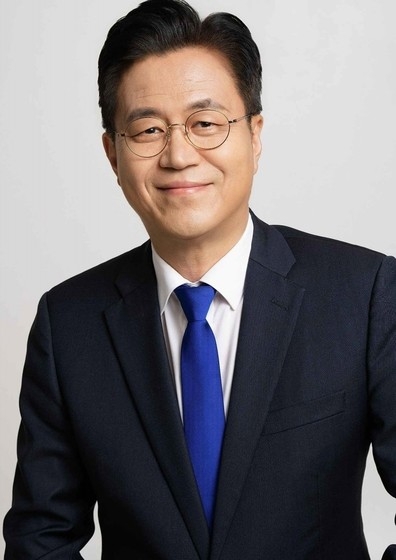
Yeongdeungpo-gu has drawn up a 2027 budget of 1.06 trillion won ($795 million), concentrating fiscal resources on tackling the low birth rate and strengthening welfare for vulnerable residents while laying the groundwork for future growth through education, youth support, local economic revitalization and disaster-safety infrastructure.
The district submitted the 1.06 trillion won budget proposal — up 62 billion won, or 6.2%, from the previous year — to the district council on Nov. 9.
The budget is designed to meet growing administrative demands while expanding policy projects that residents can feel in their daily lives.
Welfare accounts for the largest share, with 585.7 billion won — more than half the total budget. Of that, 261.2 billion won goes toward building the social safety net through basic pension payments and national basic livelihood security benefits, while 90.6 billion won supports programs for people with disabilities and senior welfare services.
The district has set aside 212.6 billion won to address the low birth rate. Some 11.1 billion won covers new initiatives — including a finance-city-style baby fund, a newborn welcome grant and a marriage support grant — while the remainder reinforces life-cycle support such as infant and toddler childcare fees, parental allowances, child benefits, and pregnancy and childbirth assistance.
Education, youth support and local economic revitalization receive 41.5 billion won. Of that, 28.9 billion won funds educational expense support for nurturing future talent and library operations. The district also plans to invigorate the local economy through youth employment and startup support, the issuance of local gift certificates and assistance for traditional markets.
Resident participation, communication, and cultural and sports programs are allocated 42 billion won. The district will run "Minhoe," a participatory democracy festival in which residents take a direct role in policy decisions, alongside community self-governance projects. An additional 29.6 billion won will go toward expanding cultural arts and recreational sports infrastructure, as well as signature local events including the Yeouido Spring Flower Festival and a global food festival.
Creating a safe and pleasant urban environment draws 44.7 billion won. Of that, 13.1 billion won is directed at disaster and emergency preparedness — sewer pipe maintenance to prevent flooding, rainwater pump station operations and pedestrian environment improvements.
The district will also invest in upgrading green infrastructure in residential areas, including parks, green belts and the Anyangcheon and Dorimcheon corridors, as well as urban renewal projects. Some 31.2 billion won has been earmarked for major public infrastructure, including a social welfare complex in Singil Zone 12 and a public multipurpose sports facility in Yangpyeong-dong.
The budget proposal is set to receive final approval from the district council on Dec. 21 after deliberation.
"The 2027 budget focuses on providing a stronger foundation for residents' daily lives and preparing Yeongdeungpo for a sustainable future," a district official said. "We will manage limited fiscal resources efficiently to carry out the key policy projects of the ninth elected administration without disruption."
seouldream01@heraldcorp.com