A meta-analysis of 31 trials found the popular supplement's anxiety-reducing effects were weaker than expected
One dose sharpened attention and reaction speed within 30 minutes to an hour
In a pro-gamer study, deep breathing alone matched theanine's performance boost
'Heart pounding, mind going blank — every time a big test comes around.'
It is a feeling most people know well before an important exam or job interview. One supplement many reach for in those moments is L-theanine, an amino acid found in green tea leaves that has long been credited as one of the reasons a cup of green tea feels calming.
South Korea's Ministry of Food and Drug Safety recognizes theanine as a functional ingredient, acknowledging that taking 200 to 250 milligrams a day "may help relieve tension caused by stress."
But does theanine actually ease tension? Recent international research suggests its most noticeable effects may lie somewhere quite different from what most people expect.
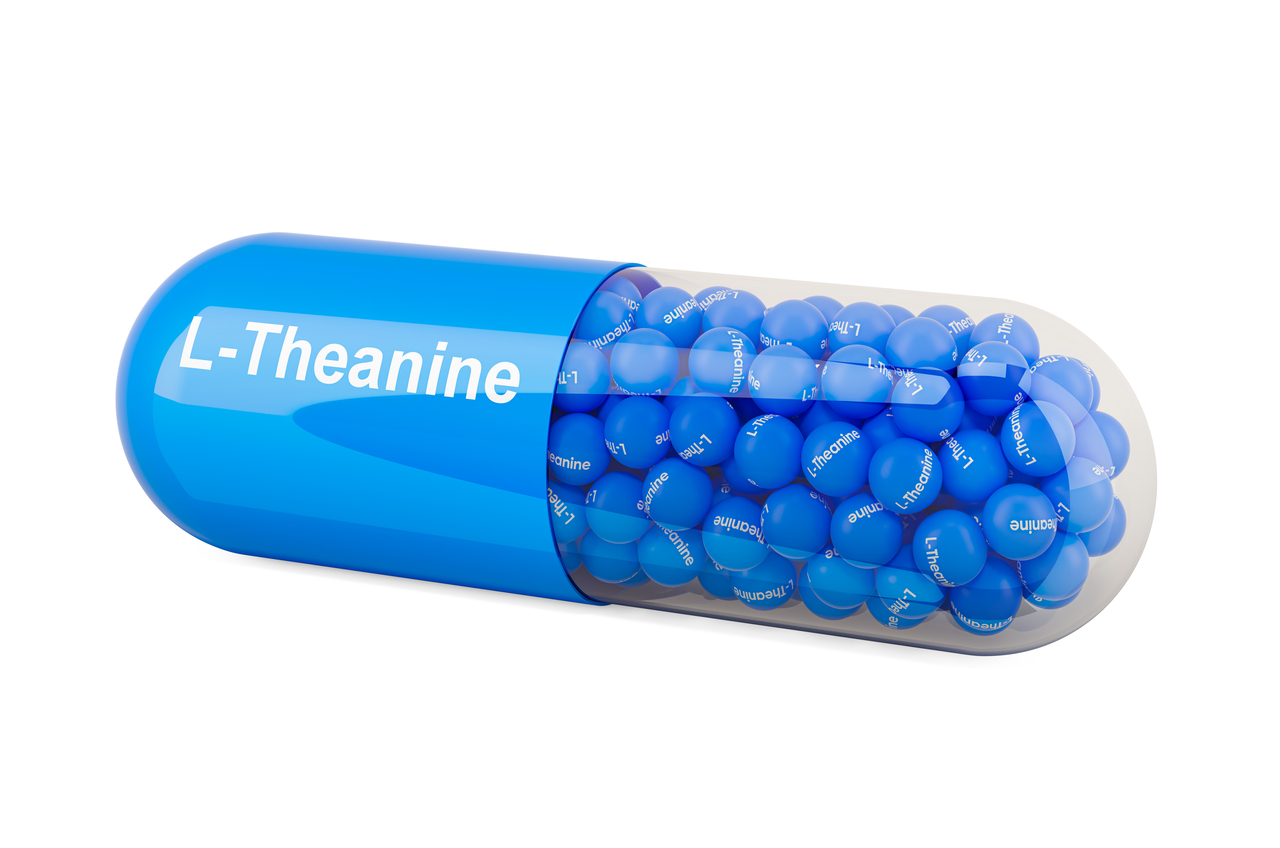
31 trials pooled — stress relief falls short of the hype
A research team at Aix-Marseille University in France published a meta-analysis in the international journal Molecular Psychiatry last July, pooling results from 31 randomized clinical trials involving 1,168 participants that compared theanine against a placebo. It is the largest synthesis of theanine research to date.
When the team examined whether a single dose of theanine reduced stress, the results fell short of expectations. Stress levels did decline, but the effect was small.
The researchers said even that modest finding was likely inflated, because trials with methodological flaws had driven the effect upward.
The evidence for anxiety reduction was equally inconsistent. Only one trial showed a meaningful effect — an eight-week study in which patients with psychosis received 400 milligrams daily.
That scenario bears little resemblance to a healthy person taking theanine to ease everyday anxiety. No effect on fatigue was found.

The unexpected finding: sharper focus
The clearest benefit emerged not from the primary outcomes but from a secondary measure: attention.
When healthy adults took a single 200-milligram dose of theanine and were tested 30 minutes to an hour later, they responded noticeably faster when selecting the correct answer from multiple options. It was the most consistent finding across all 31 trials.
There were also signs of reduced depressive symptoms. Healthy participants who took a single dose showed a meaningful decrease in such symptoms.
Safety was not a concern. No serious adverse effects were reported across any of the 31 trials, and dropout rates were similar to those in the placebo groups.
The research team concluded that "theanine is safe and has a reliable short-term effect on improving attention in healthy adults." The team added that the potential benefit for depressive symptoms would need to be confirmed through high-quality clinical trials in actual patients.
Four weeks of consistent use
Separate research has examined what happens when theanine is taken consistently over time rather than as a single dose.
A Japanese research team published results in the international journal Nutrients in 2019 from a clinical trial in which 30 healthy adults alternated between taking 200 milligrams of theanine and a placebo for four weeks each.
During the theanine periods, participants showed improvements in scores for depression, trait anxiety and sleep quality. Verbal fluency and executive function — the ability to plan and make decisions — also improved.
Pairing theanine with caffeine has become particularly popular abroad, based on the idea that caffeine sharpens alertness while theanine takes the edge off caffeine's characteristic jitteriness.
A Turkish research team published findings in the international journal Nutrition Research last April from an experiment involving 15 male professional esports players.
The team measured performance by having the players try, at one-week intervals, caffeine alone, caffeine combined with theanine, and caffeine combined with diaphragmatic breathing.
Taking caffeine and theanine together produced faster auditory reaction times than caffeine alone. However, substituting diaphragmatic breathing for theanine yielded the same result — meaning deep breathing on its own matched theanine's effect.
The Ministry of Food and Drug Safety cautions consumers taking theanine supplements to avoid combining them with caffeinated drinks such as coffee, green tea or black tea.
Most theanine research has been conducted in adults. According to the Ministry of Food and Drug Safety, pregnant and breastfeeding women, children, and patients before or after surgery should exercise caution when taking theanine.
Meanwhile, the research team that found theanine's stress-relief effects to be limited while its attention benefits were more robust acknowledged gaps in the existing evidence. "Most studies so far have only looked at single doses or use over a few weeks," the team said, adding that the effects of taking theanine for several months or longer remain poorly understood.
References
DOI: 10.1038/s41380-026-03727-9
Gerolymos C, Saddier E, Boyer L, Fond G. Cognitive and affective effects of L-theanine: a systematic review and meta-analysis of 31 randomized trials. Mol Psychiatry. 2026;31(11):6592-6602.
DOI: 10.3390/nu11102362
Hidese S, Ogawa S, Ota M, et al. Effects of L-theanine administration on stress-related symptoms and cognitive functions in healthy adults: a randomized controlled trial. Nutrients. 2019;11(10):2362.
DOI: 10.1016/j.nutres.2026.04.007
Arslan S, Akçay B, Türkmen OB, Mutlu EK. Synergistic effects of caffeine, l-theanine, and diaphragmatic breathing on esports performance: a randomized controlled crossover trial. Nutr Res. 2026;151:26-36.
DOI: 10.3389/fnut.2026.1922819
Cotter J, Kilpatrick HE. Effects of L-theanine on cognition, mood and sleep: evidence from human trials. Front Nutr. 2026;13:1922819.
dbsdn1110@heraldcorp.com