Korea Institute of Energy Research hosts hydrogen economy symposium to map commercialization strategy
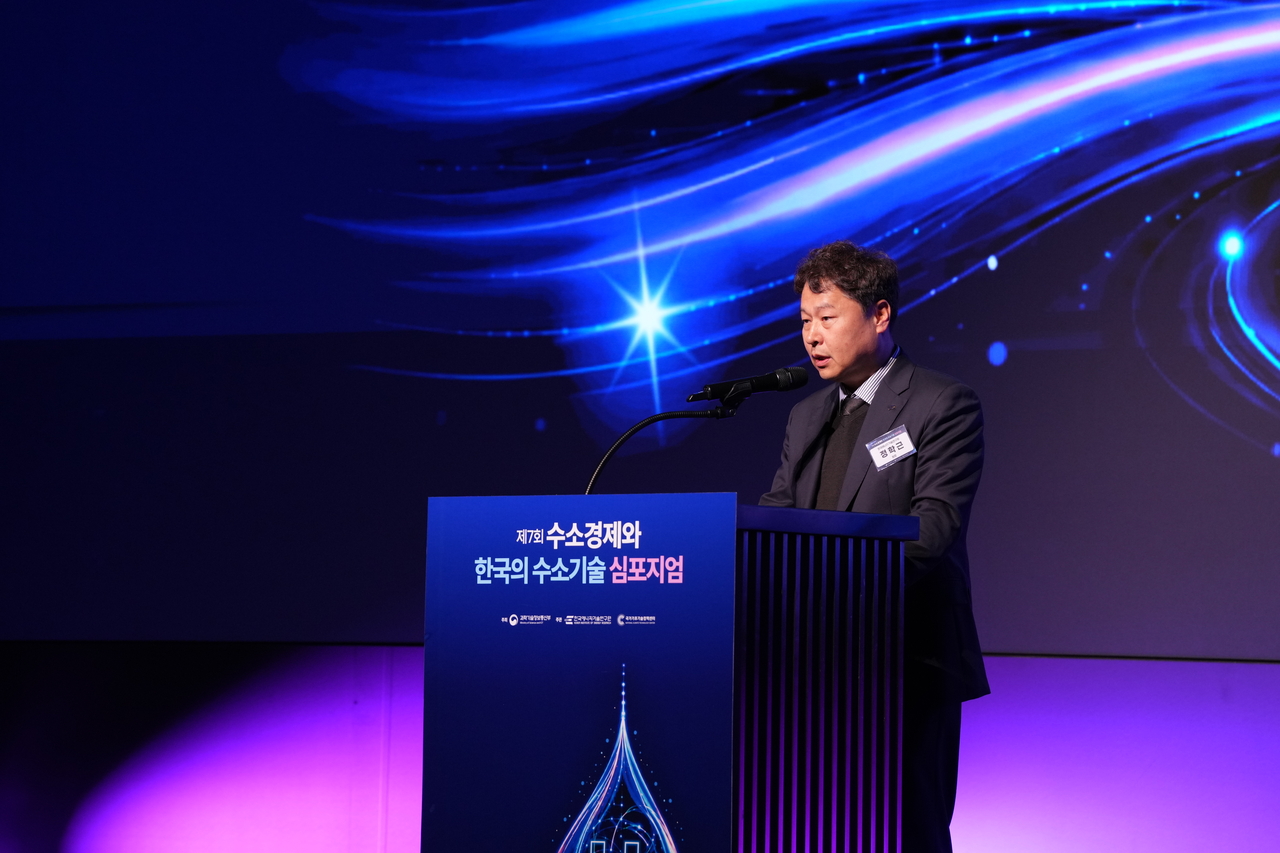
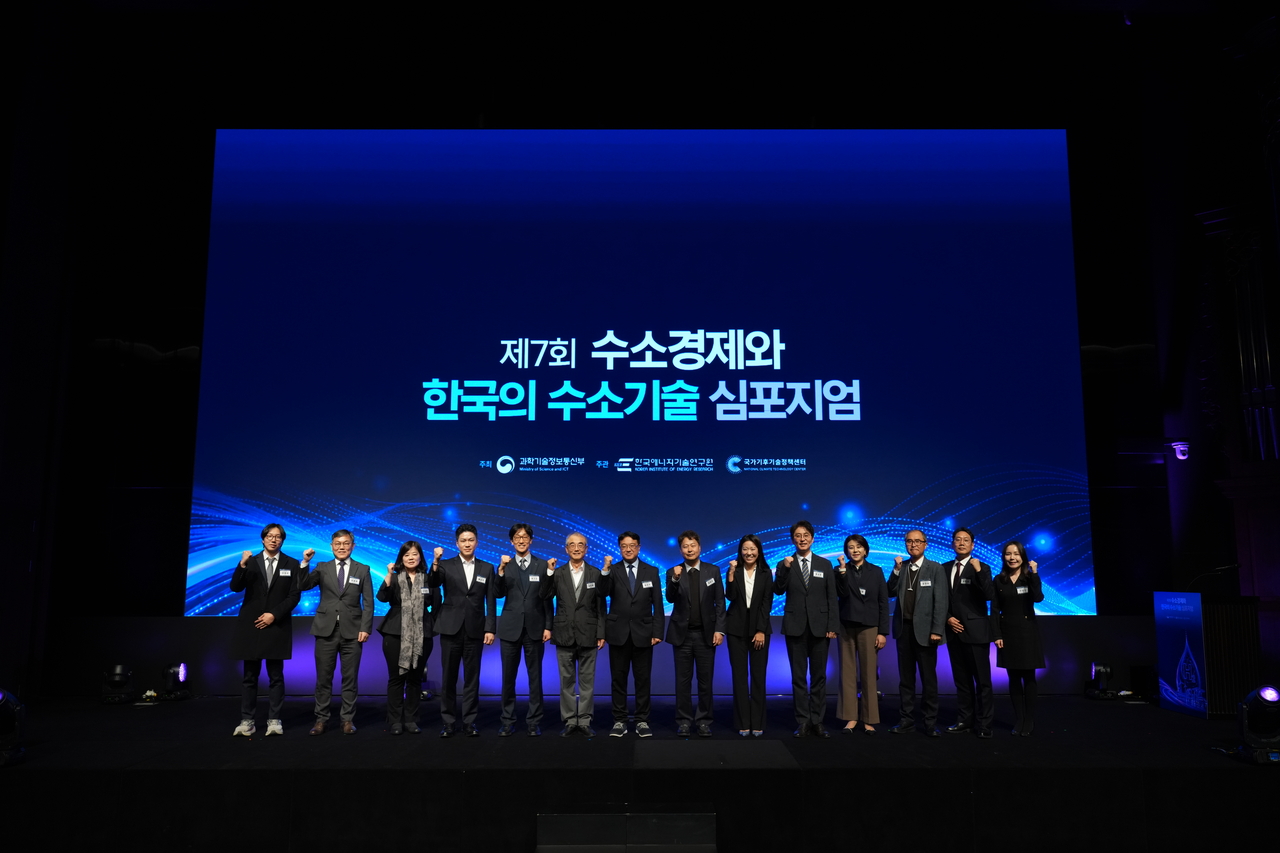
The Korea Institute of Energy Research said Wednesday it hosted the 7th Symposium on Hydrogen Economy and Korea's Hydrogen Technology at L Tower in Yangjae, Seoul, under the auspices of the Ministry of Science and ICT.
About 300 participants from industry, academia, research institutions and government gathered to discuss strategies for commercializing clean hydrogen technology and expanding into global markets.
The global hydrogen market is undergoing rapid change. Worldwide hydrogen investment has fallen by roughly half since peaking in 2024, yet the number of countries with national hydrogen strategies has grown from 23 in 2021 to 66 this year, and clean hydrogen projects that have reached a final investment decision now exceed 500. Even as investment markets contract, competition among nations to secure hydrogen technology and industry leadership is intensifying.
The government designated hydrogen as a core technology in the breakthrough renewable energy category under its "Seven SEED Projects for Future Growth Engines," announced in August. It set the domestic localization of water electrolysis systems — which produce hydrogen by splitting water with electricity — as a national strategic research and development goal.
Hydrogen is regarded as both an energy storage medium that offsets the intermittency of renewable energy and a key energy source for achieving carbon neutrality. More recently, surging power demand from AI data centers has drawn attention to hydrogen fuel cells as an alternative for distributed power generation.
The government operates five national hydrogen key research laboratories to localize core hydrogen technologies. The Korea Institute of Energy Research covers alkaline water electrolysis and solid oxide electrolysis; the Korea Institute of Science and Technology handles polymer electrolyte membrane electrolysis; the Korea Institute of Materials Science focuses on anion exchange membrane electrolysis; and the Korea Research Institute of Chemical Technology works on liquid organic hydrogen carriers.
The Clean Hydrogen R&D Innovation Alliance, launched in September last year, now counts 93 member organizations — including companies, universities and research institutes — working to link technology development outcomes to industry and drive commercialization.
The symposium also focused on new growth opportunities for the hydrogen industry.
Participants shared assessments of fuel cell market growth potential driven by rising AI data center power demand, along with case studies of investment attraction and commercialization by hydrogen technology companies. They reached broad agreement that securing stable hydrogen demand and aligning investment with each stage of technology development are key to building industrial competitiveness.
Scaling up hydrogen production technology, achieving mass production and pursuing modularization strategies were also major agenda items. Discussions covered plans to build demonstration infrastructure, including hydrogen production hubs, refueling station operations, a clean hydrogen certification system and a performance evaluation center for electrolysis systems.
Experts said that for laboratory-developed technologies to be deployed in actual industrial settings, sustained R&D investment must be accompanied by improvements to performance evaluation and certification frameworks, as well as an expansion of demonstration infrastructure.
Korea Institute of Energy Research President Jeong Hak-geun said, "Now, as the global hydrogen market pauses to catch its breath, is precisely the time when those who secure the technology first and enter the market first can shape the competitive landscape of the future hydrogen industry." He added that the institute would "lead the localization of core electrolysis technologies and work to ensure that research and development outcomes translate into global market competitiveness through demonstration and commercialization."
nbgkoo@heraldcorp.com