Talks end 3 months after preferred bidder named; capital burden proves decisive; KDB to review alternatives; Korea Investment misses all three recent insurance targets
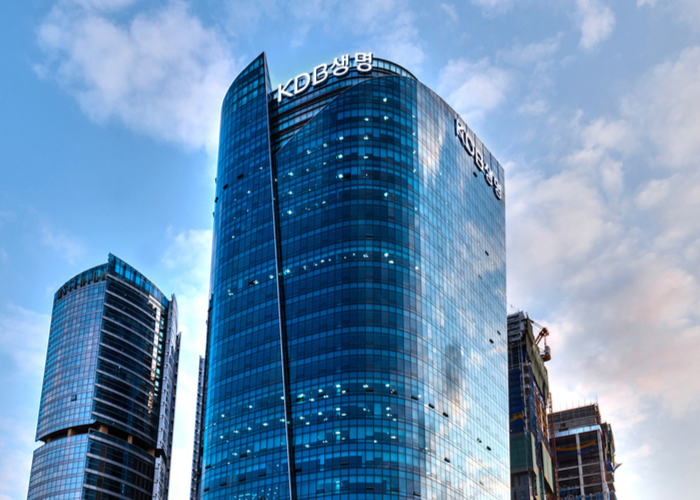
Korea Development Bank has ended sale negotiations with Korea Investment Holdings over KDB Life Insurance after the two sides failed to bridge differences over capital requirements, collapsing the deal roughly three months after Korea Investment was named the preferred bidder in August. The breakdown stands in contrast to the recent sales of MG Non-Life Insurance and Lotte Non-Life Insurance, both of which found buyers through public fund injections and price cuts, respectively. The central dispute throughout the talks was who would absorb the cost of strengthening KDB Life's financial position.
Korea Development Bank announced Wednesday it had decided to terminate negotiations with Korea Investment Holdings on the sale of KDB Life. The bank said it had been in talks with Korea Investment Holdings since Aug. 13 toward signing a share purchase agreement but was unable to resolve differences over the terms of the sale.
This was the seventh attempt to sell KDB Life. In 2020, JC Partners tried to acquire the insurer but failed to obtain regulatory approval after questions arose over its fitness as a major shareholder. Hana Financial Group, named preferred bidder in 2023, walked away after due diligence, citing the additional capital burden. In 2024, MBK Partners was the sole participant in the sixth attempt, which also came to nothing.
During the negotiations, the two sides disagreed over who would bear the cost of recapitalizing KDB Life. Financial industry sources believe the talks broke down in part because Korea Investment Holdings had asked Korea Development Bank to inject about 1 trillion won ($747 million) into KDB Life before the acquisition, a demand the bank was reluctant to meet. A Korea Development Bank official said the two parties had "discussed the sale terms and KDB Life's management normalization plan broadly," but added that "specific transaction terms and the progress of negotiations cannot be disclosed due to confidentiality obligations."
KDB Life's weak financial health has long been cited as a key variable in any sale. As of the end of June, the insurer's Korea Insurance Capital Standard ratio — known as K-ICS — stood at 78.7 percent before transitional measures, well below the financial regulator's recommended level of 130 percent. Applying transitional measures raises the ratio to 182.4 percent, but the basic capital K-ICS ratio remains at negative 26.1 percent on a pre-transitional basis.
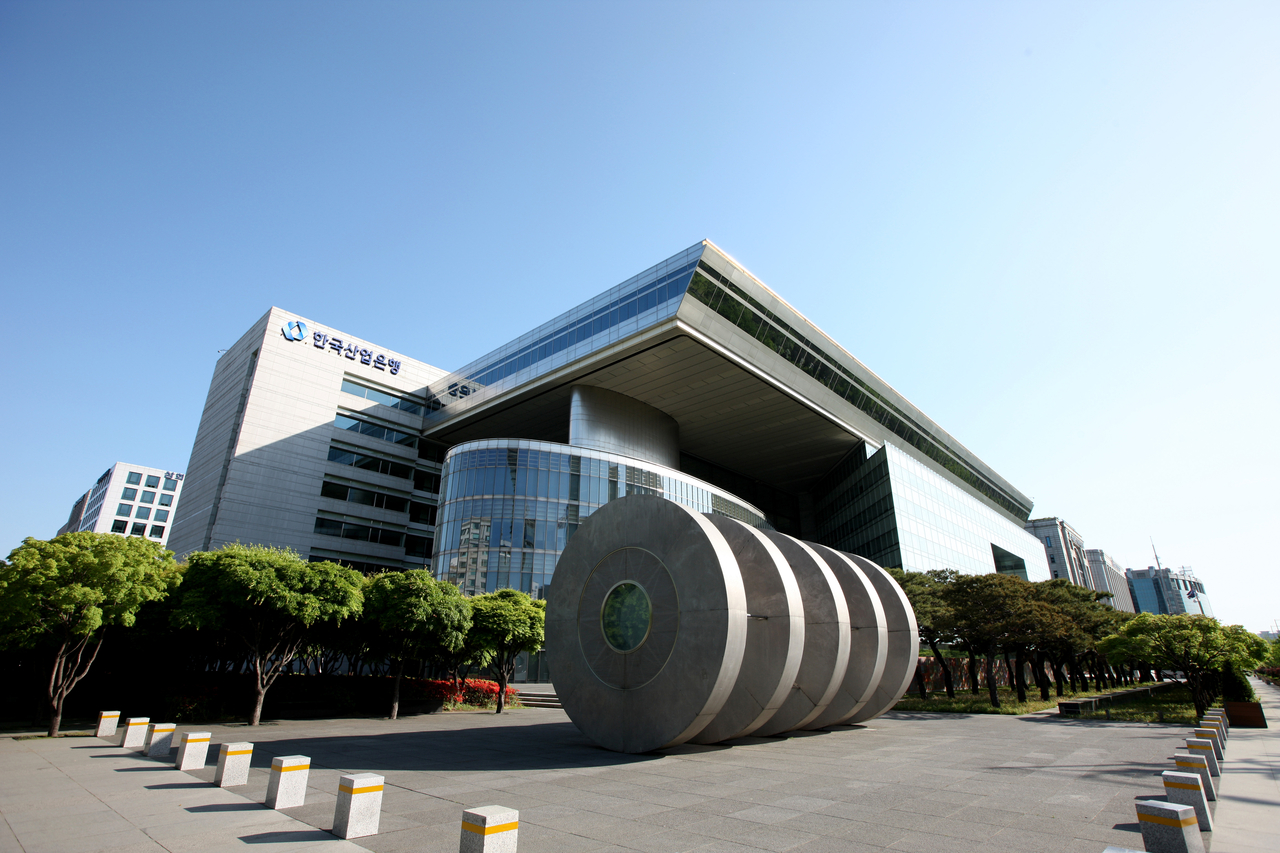
Korea Development Bank has provided capital support to KDB Life, including injecting 500 billion won into a rights offering at the end of last year. Calls for further capital injections persist, however, and the financial regulator is set to introduce a basic capital K-ICS ratio requirement for insurers starting next year — a regulatory change any acquirer would have had to factor into its calculations.
Korea Development Bank said it plans to review its approach to the sale while continuing efforts to normalize KDB Life's operations. Specific plans, including whether to attempt another sale and on what timeline, have not yet been finalized.
"We plan to review the existing sale approach and explore new alternatives from multiple angles to improve the prospects of completing a future sale," a Korea Development Bank official said. "Separately from the sale process, we have been doing our utmost to manage KDB Life toward normalization and will continue to make every effort to achieve that goal."
The broader insurance mergers and acquisitions market has seen a string of deals close recently, with the question of who absorbs the capital burden emerging as the decisive factor in each transaction. MG Non-Life Insurance and Lotte Non-Life Insurance both faced situations similar to KDB Life — requiring large capital increases after any acquisition — but each resolved the burden differently.
For MG Non-Life Insurance, the Korea Deposit Insurance Corporation stepped in with public funds to ease the buyer's burden, agreeing last month to inject more than 1 trillion won when it signed a share purchase agreement to sell Yebyeol Non-Life Insurance, the bridge insurer created from MG Non-Life, to OK Financial Group. Lotte Non-Life Insurance's deal succeeded because the seller, private equity fund manager JKL Partners, sharply cut its asking price. Shinhan Financial signed a deal last month to acquire a 77.04 percent stake in Lotte Non-Life Insurance for 693.3 billion won, implying a total enterprise value of about 900 billion won on a 100 percent basis — far below the 2 trillion to 3 trillion won JKL Partners had once hoped to fetch.
Some analysts say Korea Development Bank is in a difficult position to adopt either of those solutions. Financial industry observers believe the negotiations were complicated by the fact that, as a state-run policy bank, a steep price cut could expose the bank to accusations of a fire-sale disposal and potential liability for breach of fiduciary duty or audit scrutiny. With the cumulative amount Korea Development Bank has poured into KDB Life estimated at around 2 trillion won, further injections are also seen as a burden.
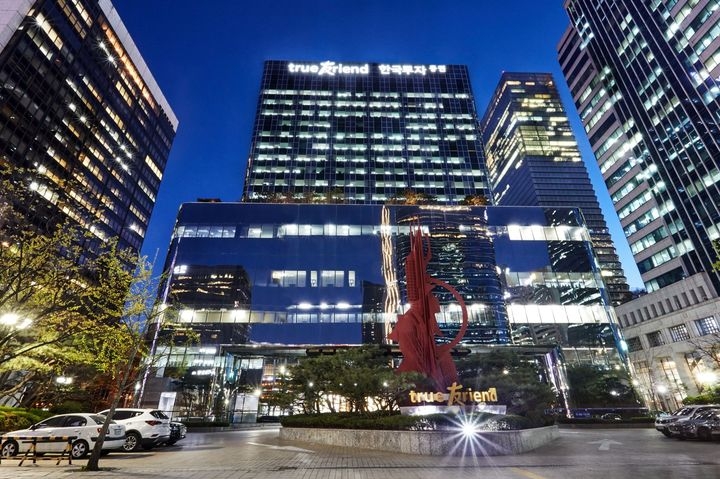
The failed deal is also expected to set back Korea Investment Holdings' ambitions to enter the insurance business. The group participated in the public auction for Yebyeol Non-Life Insurance earlier this year and also considered acquiring Lotte Non-Life Insurance, but neither pursuit resulted in a transaction. Having now missed out on KDB Life as well, Korea Investment Holdings has failed to secure any of the three insurance assets that came to market recently. Korea Investment Holdings was also reported to have looked at acquiring BNP Paribas Cardif Life Insurance alongside KDB Life, leading some observers to suggest the group may now turn its attention to foreign-owned insurers that come up for sale.
rim@heraldcorp.com
hyuk@heraldcorp.com
won@heraldcorp.com