About 30,000 entities holding ISMS-P certification or CISO registration expected to be affected
Memory corruption flaw enables remote arbitrary code execution
Checks of apps, authentication systems required; updates and restarts mandatory
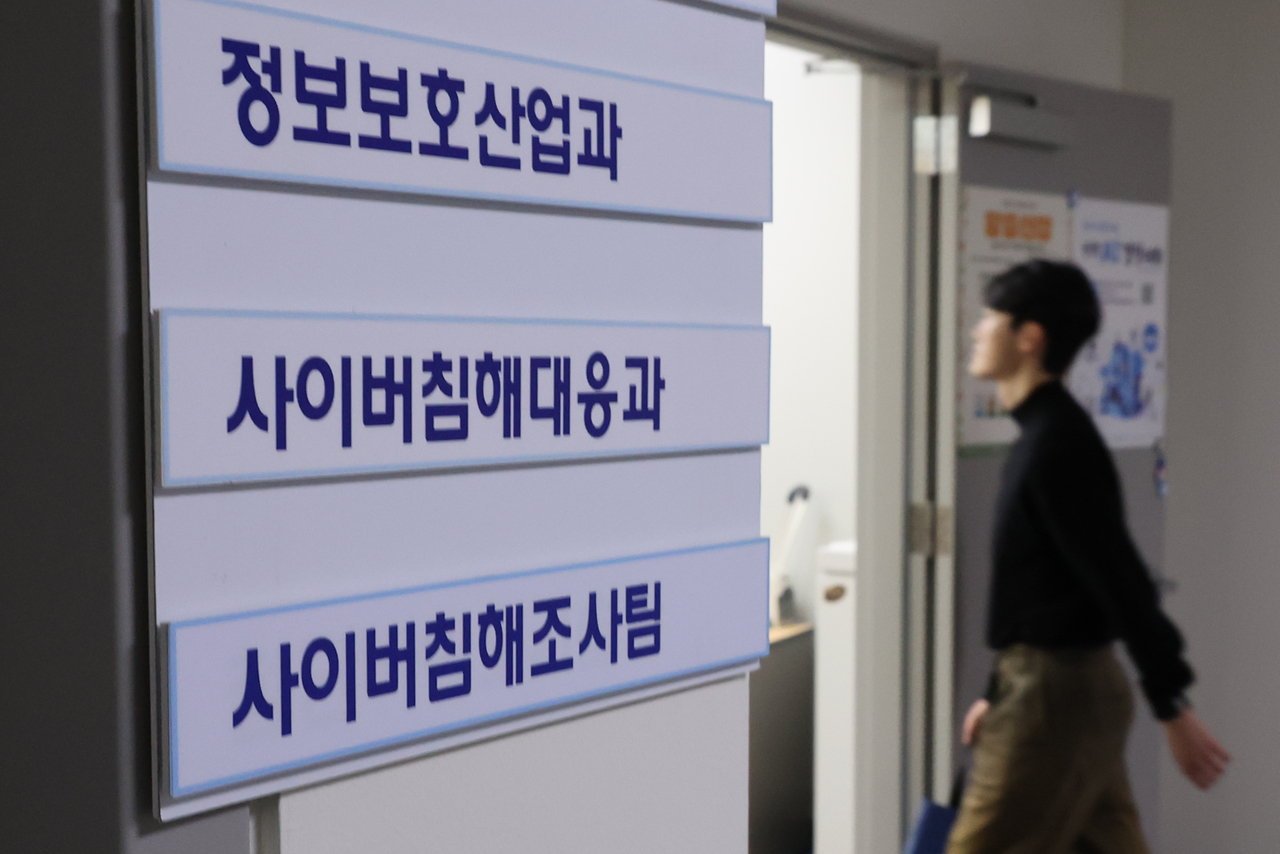
The government has identified a security vulnerability in the Java environment and urged about 30,000 domestic companies and public institutions to take immediate protective measures.
If exploited by hackers, the flaw could enable the execution of malicious code and cause significant damage. Major telecommunications infrastructure, banks, securities firms and public institutions have all been placed on heightened security alert.
South Korea's Ministry of Science and ICT and the Korea Internet & Security Agency (KISA) announced Wednesday that a serious security vulnerability had been found in OpenJDK, the open-source Java runtime environment. The agencies called on domestic companies and institutions running Java-based systems to audit their usage, assess whether they are affected and swiftly implement the necessary security measures.
About 30,000 entities are expected to be subject to the security measures, including operators of critical information and communications infrastructure, companies certified under the Information Security Management System (ISMS), and firms that have registered a chief information security officer (CISO).
Java is one of the most widely used programming languages in the world, employed in the development and operation of a broad range of software including web services, groupware and enterprise resource planning (ERP) systems. It is often installed directly by companies and institutions or bundled into business software and equipment.
Checks must therefore be conducted against the Java runtime environment that each service actually uses. The Ministry of Science and ICT recommended that companies and institutions verify the product versions and runtime environments in use and apply the security measures issued by the vendor.
Specifically, companies and public institutions should prioritize auditing internet-facing services, groupware, ERP systems and core business systems. They should also apply security updates provided in official security advisories as quickly as possible and confirm that those updates have taken effect in their live operating environments.

The measures follow Oracle's release Tuesday (local time) of a "Critical Patch Update" that patched 11 security vulnerabilities in Java Standard Edition.
According to the Ministry of Science and ICT, the vulnerabilities — including Java4Shell and CVE-2026-114938 — are believed to cause memory corruption when the Java runtime environment processes abnormal manipulations or inputs. In some programs, this could allow an attacker to remotely execute arbitrary code without authentication.
Calif, a US cybersecurity firm that first discovered CVE-2026-114938, rated the vulnerability 9.2 out of 10, placing it in the highest risk category of "Critical."
South Korea had already been targeted by cyberattacks exploiting a vulnerability in PHP, a web development language that falls under the broader category of programming languages.
According to Dream Research, the security research arm of Israeli cybersecurity firm Dream, a large-scale cyberattack targeting firewalls in South Korea, the United States, Japan and Taiwan took place Oct. 23 to Oct. 24.
The attackers reportedly exploited "PHP2Shell," a remote code execution vulnerability in PHP, to scan approximately 19,000 firewalls worldwide before selecting 240 devices across the four countries — including South Korea — as their final targets.
As cyberattacks exploiting vulnerabilities in programming languages such as PHP and Java become increasingly routine, experts say the government must move urgently to develop a comprehensive response strategy.
ko@heraldcorp.com