H1 sales reach 6.3 trillion won, led by PG sector growth
24 firms fall short of soundness standards; FSS tightens oversight
Growth in South Korea's electronic financial services market — driven by simple payment platforms and similar services — pushed first-half sales to a record high, up 14.5 percent from a year earlier. However, the combined balance of unsettled merchant payments owed by payment gateway operators and unredeemed prepaid funds held by users also grew, reaching 15 trillion won ($11.2 billion) in total. Twenty-four firms failed to meet the financial authorities' management guidance standards.
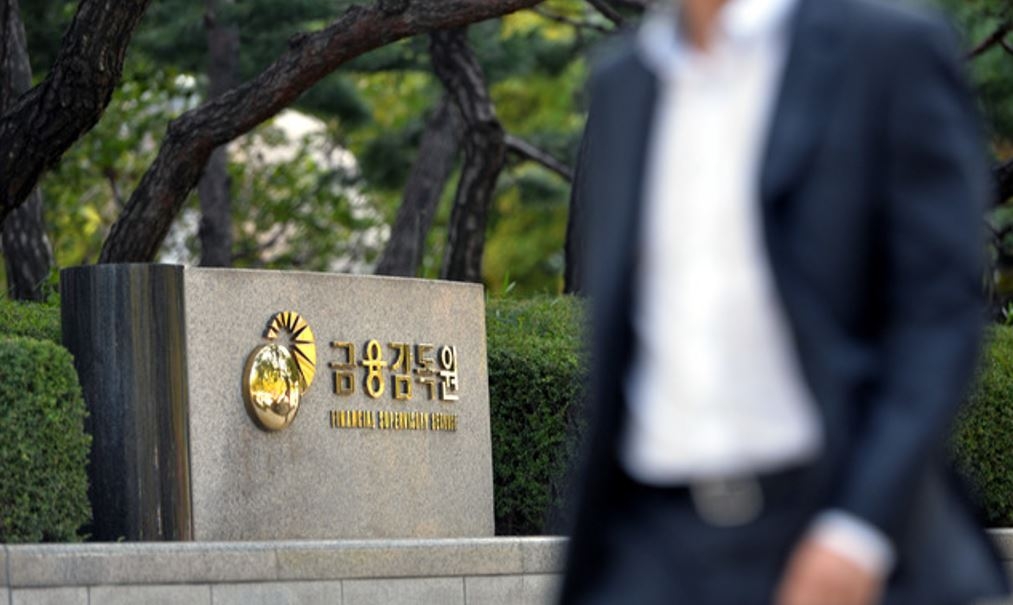
The Financial Supervisory Service released its "First-Half 2026 Earnings Report for Electronic Financial Service Providers" Tuesday, showing that sector sales reached 6.3 trillion won in the first half of this year, up 800 billion won, or 14.5 percent, from 5.5 trillion won in the same period last year.
The payment gateway, or PG, segment led the expansion, with sales climbing 17.1 percent from 4.1 trillion won to 4.8 trillion won. Sales from the issuance and management of prepaid electronic payment instruments held steady at 1.1 trillion won, unchanged from a year earlier. Gross profit rose 17.6 percent year-on-year to 2 trillion won.
The balances of unsettled payments and prepaid funds managed by electronic financial firms also increased. As of the end of June, the unsettled balance that PG operators owed to merchants and other parties stood at 9.7 trillion won, up 500 billion won from the end of last year. The unredeemed balance — covering prepaid funds and similar amounts not yet spent by consumers — rose 100 billion won over the same period to 5.3 trillion won. Combined, the two balances totaled 15 trillion won, a 4.2 percent increase from the end of last year. The FSS noted that the figures include normally scheduled settlement amounts and unused prepaid balances, and do not represent delayed or overdue payments.
Twenty-four firms failed to meet soundness standards as of the end of June, down five from the end of last year. Of those, 14 were in a state of capital impairment and nine fell short of liquidity ratio requirements. Most of the non-compliant firms were small and mid-sized electronic financial service providers, accounting for just 0.5 percent of the total unsettled balance. Their share of the unredeemed balance was 8.1 percent, and all of those funds are managed separately through external trusts and similar arrangements.
Following an amendment to the Electronic Financial Transactions Act last December, the financial authorities called for 12 firms that had failed to meet management guidance standards to increase their capital, among other measures. The FSS said it plans to pursue administrative actions — including business suspension or registration cancellation — against firms that do not comply. Starting Dec. 17, a new disclosure regime will also take effect, requiring electronic financial service providers to make public their financial status and the state of external management of PG settlement funds.
Meanwhile, the FSS discussed measures to strengthen user protections for long-dormant prepaid balances at a Financial Consumer Protection Advisory Committee meeting held Thursday. The regulator plans to extend to other prepaid service providers the notification and refund practices already in place at three major tech firms — Naver, Kakao and Toss Pay — and to shorten the user notification cycle from once a year to once every three months.
rim@heraldcorp.com