Coal-fired generation overtakes nuclear for first time in 3 years as LNG price volatility bites
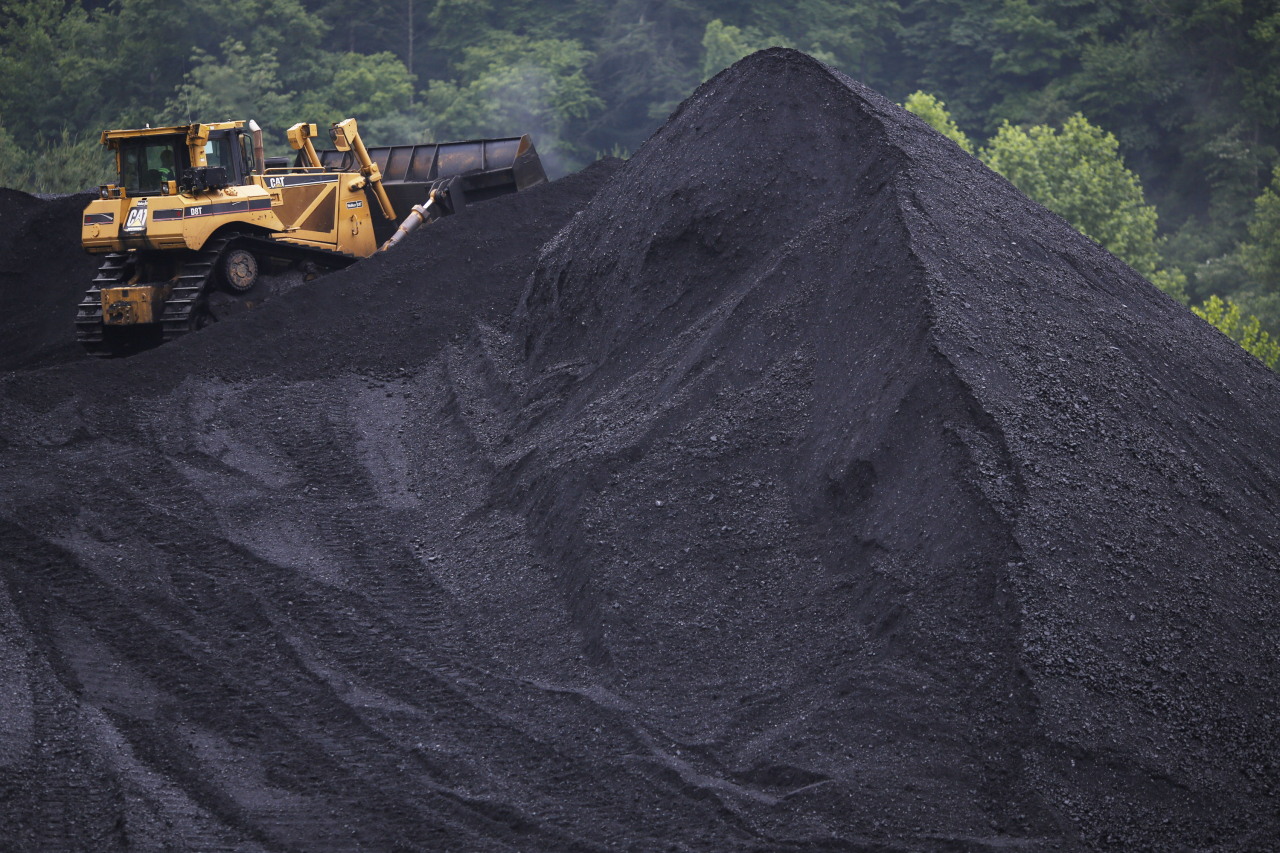
The Lee Jae-myung government has pledged to phase out coal power, but domestic coal-fired generation has risen more than 10 percent from a year earlier since the Middle East war broke out earlier this year — the opposite of what the policy intended. Analysts say the shift reflects growing LNG price volatility, which has pushed utilities back toward coal as a more stable and reliable baseload fuel.
South Korea's coal imports totaled 101.2 million tons in the January–October period this year, up 10.8 percent from the same period last year, according to the Ministry of Trade, Industry and Resources on Sunday.
LNG imports, by contrast, fell to 36.94 million tons over the same period, a decline of 3.8 percent.
The diverging import trends have had a direct impact on the domestic power mix. Total electricity traded on the grid reached 407,269 GWh from January through September this year, according to the Electric Power Statistics Information System. Coal-fired generation accounted for 135,559 GWh, or 33.3 percent of the total, while nuclear power followed at 121,976 GWh, or 30.0 percent.
It is the first time in three years — since 2023 — that coal's share of South Korea's electricity mix has exceeded that of nuclear. The International Energy Agency projects South Korea's coal demand this year at 119 million tons, up 6 percent from last year.
Korea South Power and Korea Western Power saw their coal-fired output rise 18.7 percent and 18.1 percent, respectively, in the January–October period compared with a year earlier, reaching 22,142 GWh and 24,086 GWh. Korea East-West Power's coal generation also climbed about 12 percent from last year.
LNG's share of the power mix fell to 28.1 percent in the January–September period, down 4.8 percentage points from 32.9 percent in the same period last year. The drop reflects supply disruptions and a sharp rise in gas prices stemming from the Middle East conflict.
The Northeast Asian LNG spot price benchmark, known as the Japan Korea Marker, stood at around $32 per million British thermal units last month — roughly triple the level seen at the start of this year. The IEA estimates that LNG output from March through October this year will fall 6 percent from the same period last year, after the Ras Laffan facility in Qatar — the world's largest LNG production hub — was destroyed shortly after the Middle East war broke out in March.
The deeper concern is that instability in the global LNG market could persist longer than expected. A report the Korea Energy Economics Institute released in April estimated that if the Middle East war drags on, the cost of LNG imports into South Korea would begin rising sharply in the second half of the year. A prolonged price surge could affect domestic procurement costs with a lag, as spot purchase burdens and rising long-term contract prices feed through at different times.
Even as the government has formally committed to closing coal-fired power plants, voices are emerging that argue coal must be kept as an energy security resource, given the volatility of LNG and other raw material prices.
oskymoon@heraldcorp.com