Deputy Prime Minister Bae Kyung-hoon reaffirms cooperation plans with Nvidia
Government has secured 21,000 of 35,000 GPUs earmarked for direct procurement
Remaining 14,000 units expected to arrive by early next year
Physical AI joint research and GTC Korea event to proceed as planned
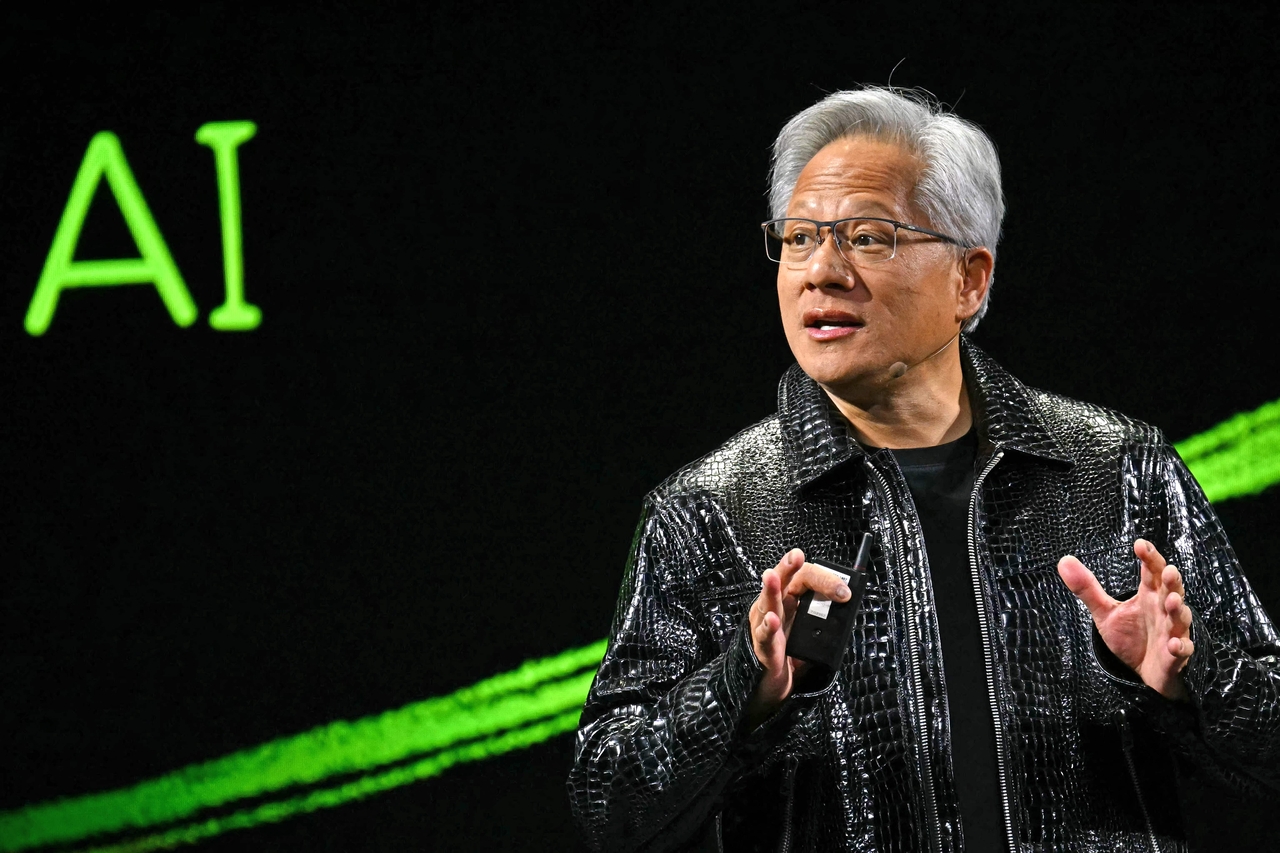
South Korea's plan to receive more than 260,000 Nvidia GPUs will proceed without disruption despite the sudden resignation of CEO Jensen Huang, the government said Friday, after holding an emergency review meeting with Nvidia to reaffirm existing cooperation plans. The two sides agreed to press ahead not only with GPU deliveries but also with joint research in physical AI, integration with domestic AI chips, and hosting a major global developer event in Korea.
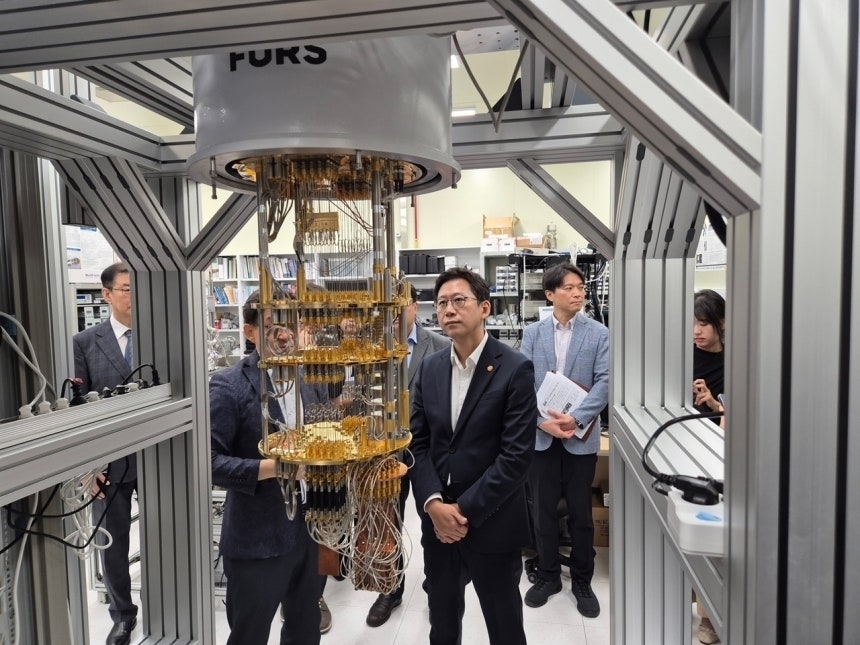
Deputy Prime Minister and Minister of Science and ICT Bae Kyung-hoon posted a message on Facebook on Friday titled "Jensen Huang has resigned — but the cooperation continues," reaffirming that the partnership with Nvidia remains unchanged.
Bae said the Ministry of Science and ICT's second vice minister convened a meeting with Nvidia officials Friday morning to review ongoing issues and reconfirm the existing GPU supply and AI technology cooperation plans.
The meeting was called in response to concerns that Huang's departure from day-to-day management could disrupt cooperation with South Korea.
Nvidia officially announced Thursday (local time) that Huang had resigned from his roles as president, CEO and member of the board of directors. Chief Financial Officer Colette Kress will serve as interim CEO until a permanent successor is named, while also continuing in her role as CFO.
Huang co-founded Nvidia in 1993 and led the company for 33 years, building it into a dominant force in the global AI chip market. His resignation drew particular attention in South Korea given the direct partnerships he had personally cultivated with major Korean companies and the potential impact on the country's AI industry.
The centerpiece of the cooperation is a plan to supply more than 260,000 GPUs to South Korea, announced on the sidelines of the Asia-Pacific Economic Cooperation summit in Gyeongju in October last year.
Under that plan, Nvidia announced it would supply 50,000 GPUs each to Samsung Electronics, SK Group and Hyundai Motor Group, 60,000 to Naver Cloud, and more than 50,000 to the government — all aimed at expanding AI data center and research and development infrastructure in the country.
At the review meeting, the government said it received confirmation from Nvidia that the existing supply plan would proceed without changes.
The government's own allotment of 50,000 GPUs is also being delivered on schedule.
Of the approximately 35,000 units the government is procuring directly — measured in Nvidia B200 GPU equivalents — about 21,000 have already been secured. The remaining approximately 14,000 are expected to arrive in stages by early next year.
Separately, the government is also working to secure an additional 15,000 GPUs through the National AI Computing Center.
The government plans to distribute the secured GPUs to domestic companies, universities and research institutions to support AI technology development and expand the country's computing infrastructure.
"The government will continue to work closely with domestic and international companies and institutions to monitor GPU supply and demand in both the public and private sectors," Bae said. "We will ensure that the GPUs we have secured are available when needed for AI research and development by companies, universities and research institutions, as well as for government initiatives such as the independent AI foundation model program and the AI for All project."
Technology cooperation beyond GPU procurement will also continue.
The government and Nvidia will move forward with a project to connect domestic AI chips with Nvidia's computing platform using the company's high-speed interconnect technology, NVLink — an effort to broaden the usability of Korean-made AI chips by integrating them with Nvidia's infrastructure.
Joint research in physical AI, AI computing infrastructure development and the training of specialized talent will also proceed as originally planned.
Discussions on hosting Nvidia's flagship developer conference, GTC, in South Korea will continue as well.
Nvidia had already signaled its commitment to Korean AI chip integration on Sunday, when it announced a cooperation plan with SK Telecom and domestic chipmaker Rebellions to connect Korean-made neural processing units with Nvidia's infrastructure. The plan involves applying NVLink Fusion technology to Rebellions' next-generation AI chip, the R200, and linking it with SK Telecom's AI data centers to strengthen South Korea's AI infrastructure.
In announcing the CEO transition, Nvidia also stated that cooperation with customers and product development plans would continue without interruption.
Bae also offered personal remarks about working with Huang. "I am grateful that he took an interest in Korea's AI capabilities and lent his support as our government and companies grew in the AI market," Bae said.
kwater@heraldcorp.com