MOU signed with Andhra Pradesh government for new plant
1.88 million-square-meter site near existing factory; operations to begin early 2030
Annual capacity to rise 46.5%, from 430,000 to 630,000 units
New plant to produce both combustion-engine and electric vehicles
About 12,000 jobs expected
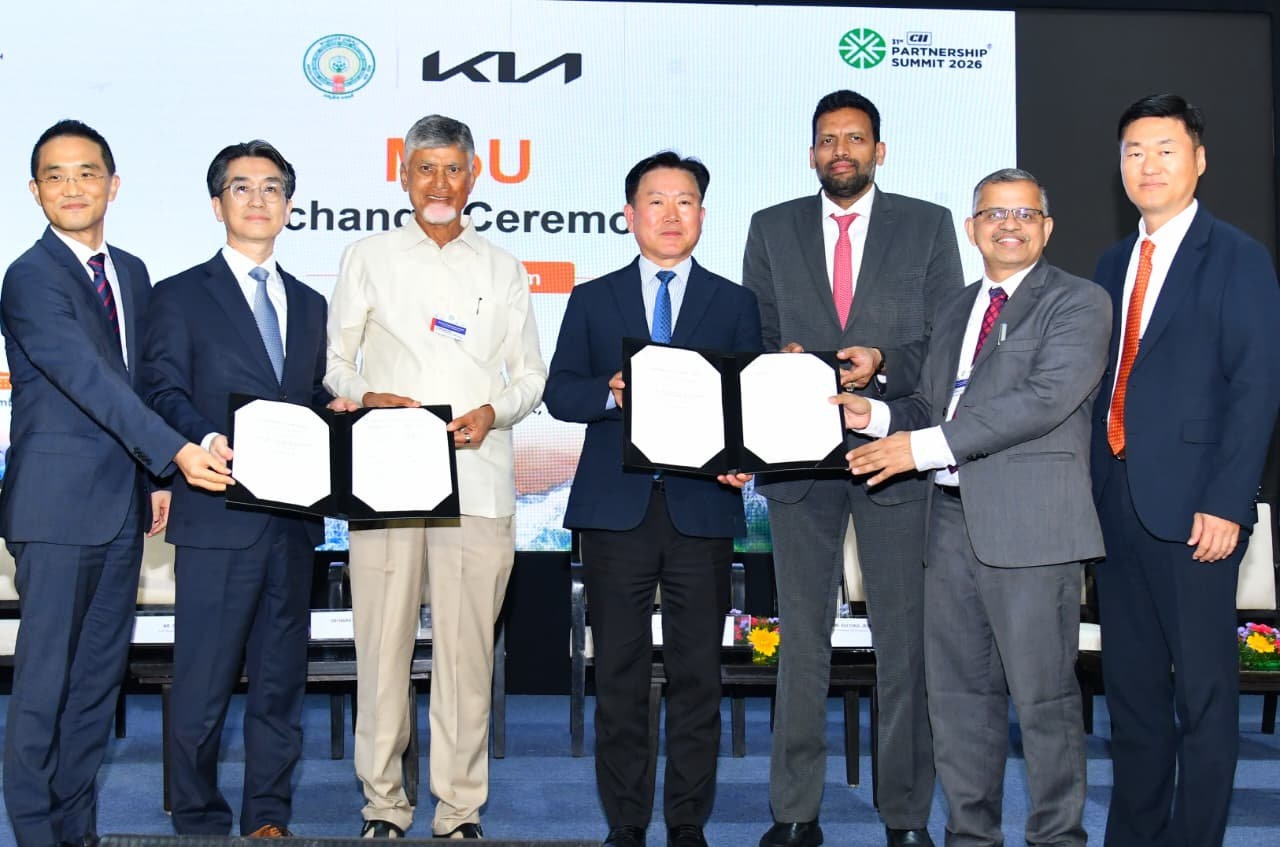
Kia plans to invest about 2.6 trillion won ($1.95 billion) to build a second vehicle assembly plant in India, the world's third-largest auto market. The automaker aims to begin full-scale production at the new facility in 2030, lifting its annual production capacity in the country from 430,000 to 630,000 units. The move is seen as a strategy to expand its local manufacturing base to meet both domestic demand and export needs, as Kia has been setting consecutive monthly sales records in India.
Kia India signed an MOU with the government of Andhra Pradesh in southern India on Thursday (local time) for the construction of the second plant.
Andhra Pradesh Chief Minister Chandrababu Naidu, Kia India Regional Head Executive Vice President Lee Kwang-gu and Kia Executive Vice President Jeong Eui-cheol attended the signing ceremony.
Kia plans to invest about $2 billion together with local parts suppliers. The new factory will be built in Eramachi, Srisathyasai district, adjacent to the existing Anantapur production facility.
The combined area of the factory and supplier sites will cover approximately 1.88 million square meters. The plant will have an annual production capacity of 200,000 units and is targeted to begin operations in early 2030.
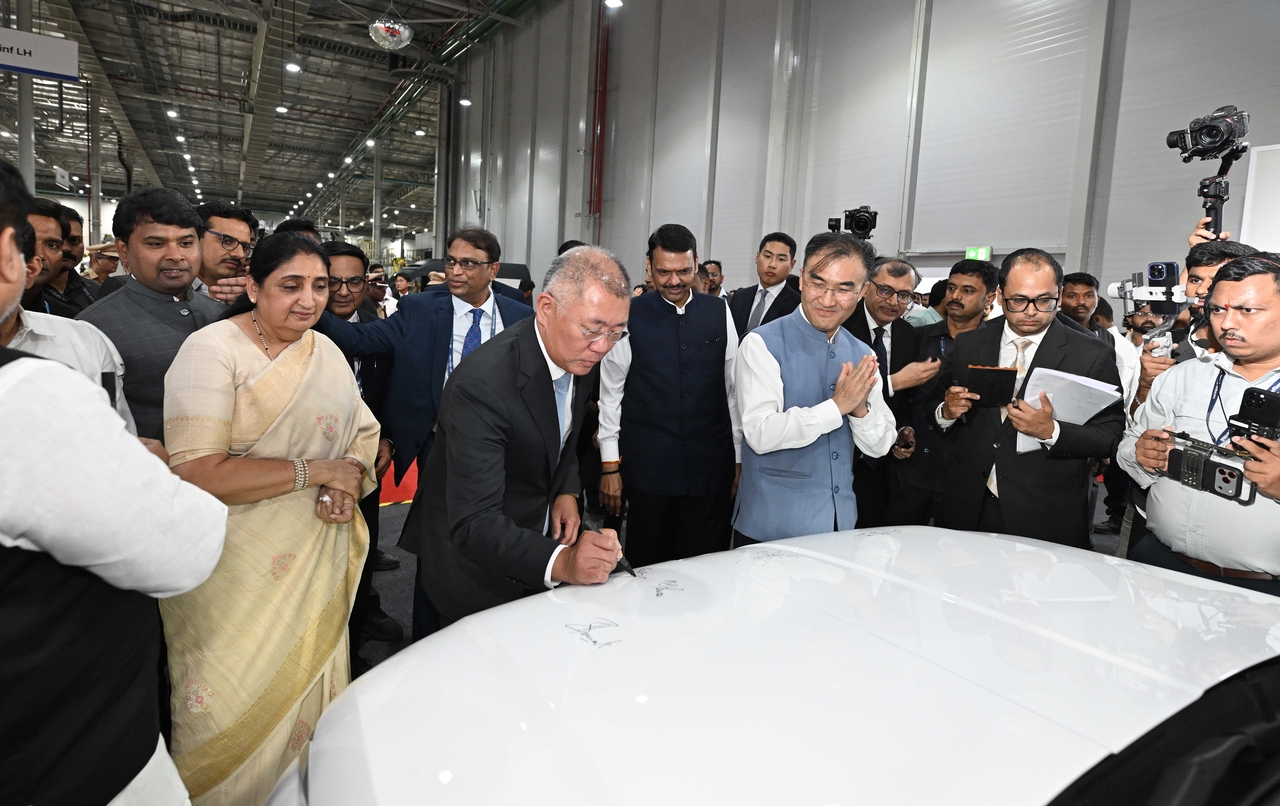
The new plant will house all major production processes — from pressing and welding to painting and assembly. It will be built to produce both internal combustion engine vehicles and electric vehicles, allowing Kia to respond flexibly to future model launches and shifts in market demand.
Once completed, Kia's annual production capacity in India will increase 46.5 percent, from the current 430,000 units to 630,000. The new factory and its supplier operations are expected to create approximately 12,000 direct and indirect jobs.
The expansion marks Kia's first new production investment in India in about nine years, since it signed its initial factory agreement in 2017.
Kia reached an agreement with the Andhra Pradesh government at that time and began mass production in Anantapur in August 2019. The plant currently produces key models including the Seltos, Sonet and Carens, supplying both the Indian domestic market and overseas markets.
Kia and its suppliers have already committed about $2.9 billion to the existing factory. Adding the new investment, cumulative spending across two production facilities in India — including supplier contributions — is expected to reach approximately $5 billion.
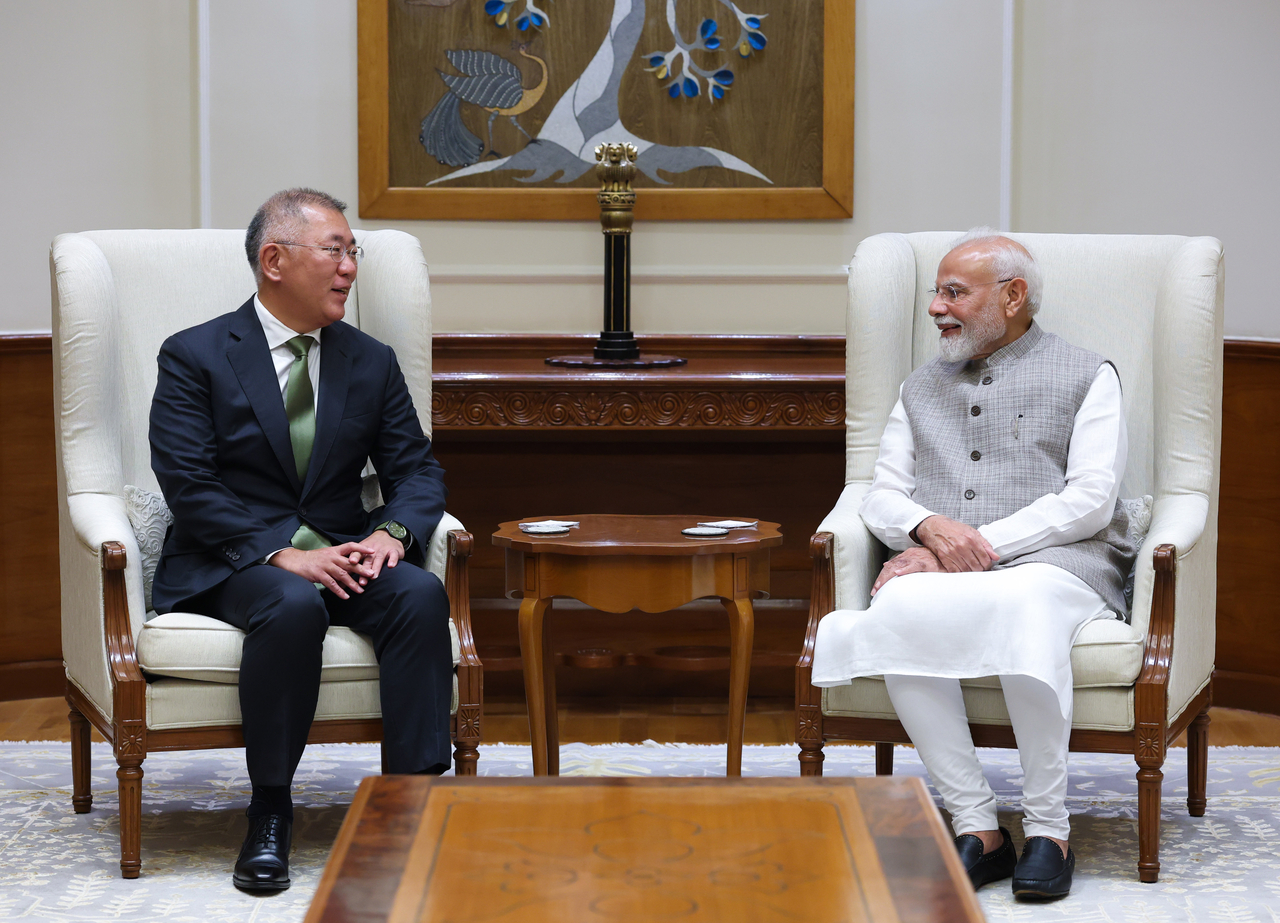
The second factory is seen as an extension of the India medium- and long-term investment plan that Hyundai Motor Group Executive Chair Euisun Chung announced last month. Chung met with Indian Prime Minister Narendra Modi on Oct. 13 (local time) and pledged to invest approximately $15.5 billion over seven years from this year through 2032. At the time, Chung identified India as a strategic market to drive the group's future growth and expansion into emerging economies, outlining plans to invest in new factory construction, research and development capabilities, local supply chain development and next-generation technology.
India's auto market growth has also factored into the investment decision. India is the world's third-largest auto market after China and the United States, and major global automakers are accelerating efforts to expand local production capacity there.
Kia's sales in India have also been climbing sharply. Wholesale volume in October reached 33,462 units, up 13.2 percent from the same month last year. That surpassed the previous monthly record of 32,017 units set in September within a month, marking two consecutive months of record sales.
Kia has been expanding sales in India this year, led by SUVs such as the Seltos and Sonet. The company is also broadening its lineup to include electric vehicles and compressed natural gas models to cater to local demand.
The production expansion is also significant in that it lays the groundwork for adding new models, including electric vehicles, while meeting demand for existing popular models. It is expected to further support Kia's strategy of exporting India-made vehicles to neighboring emerging markets.
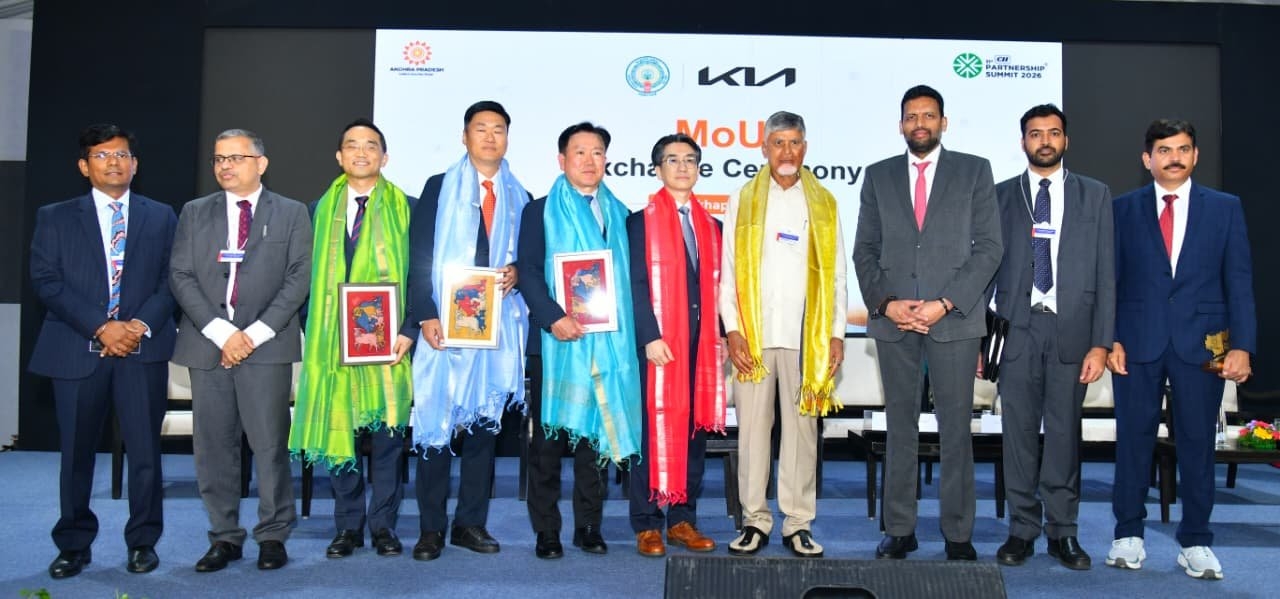
Lee Kwang-gu, head of Kia's India regional operations, said India holds a central place in Kia's long-term growth goals, adding that the new factory would allow the company to expand its lineup of new combustion-engine and electric vehicle models and strengthen its capacity to serve both the Indian domestic market and overseas markets.
The Andhra Pradesh state government also said it plans to use the investment as an opportunity to develop the electric vehicle, hybrid vehicle and auto parts industries in the state.
Chief Minister Naidu proposed that Kia consider establishing additional facilities in the state, including a design and engineering center, a global capability center and a battery research and development center. He also raised the possibility of collaboration with the local Indian Institute of Technology Tirupati campus on battery research.
Meanwhile, competition among global automakers for investment in India is intensifying. Japan's Suzuki, the largest shareholder of India's top automaker Maruti Suzuki, announced last year a plan to invest about $8 billion over the next five to six years. Toyota and Honda are also pursuing expansions of their production facilities in the country.
kwater@heraldcorp.com