Celltrion seeks approval for all indications held by the original drug in Australia, extending its regulatory footprint to Oceania after filings in Canada, South Korea, the US and Europe
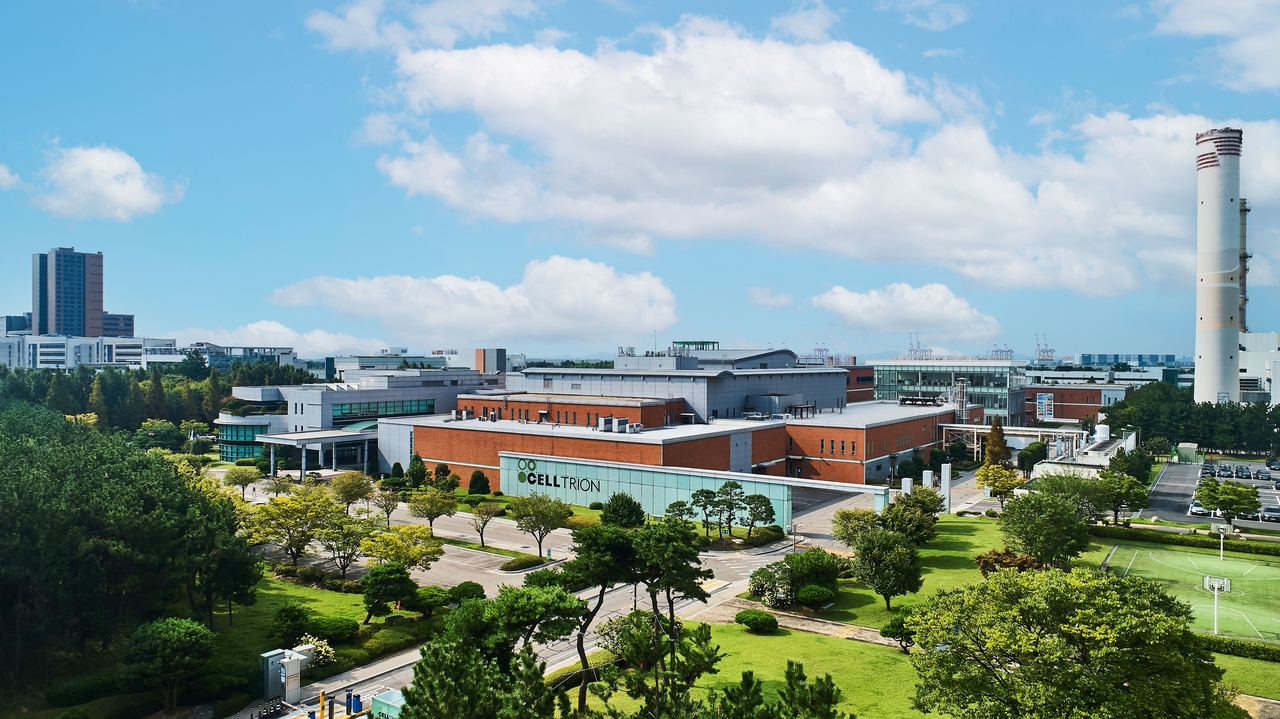
Celltrion has launched regulatory proceedings in Oceania to enter the biosimilar market for Cosentyx, a blockbuster autoimmune treatment with global annual sales of approximately 9.3 trillion won ($6.92 billion).
The company said Thursday it had filed for marketing approval of Viseqyma — development code CT-P55, active ingredient secukinumab — with Australia's Therapeutic Goods Administration.
The filing covers all indications that the original drug, Cosentyx, holds in Australia, including plaque psoriasis, psoriatic arthritis, ankylosing spondylitis and juvenile idiopathic arthritis. Celltrion said it had already demonstrated pharmacokinetic equivalence, safety and immunogenicity similarity for Viseqyma in a clinical trial involving 172 healthy volunteers.
The Australian filing extends Celltrion's regulatory presence to a major Oceania market, following submissions in North America, Europe and Asia. The company had previously filed for Viseqyma approval sequentially — starting in Canada in May, then South Korea in June, and the United States and Europe in July.
Viseqyma is a biosimilar of Cosentyx, an interleukin (IL)-17A inhibitor. The original drug recorded global sales of approximately $6.67 billion last year, making it one of the industry's largest products.
With the addition of Viseqyma, Celltrion is building a dense autoimmune disease portfolio spanning both tumor necrosis factor-alpha (TNF-α) inhibitors — Remsima, Remsima SC (sold in the US as Zymfentra) and Yuflyma — and interleukin inhibitors, including Steqeyma, Ebteyma and Viseqyma.
Australia is a favorable market for biosimilars, with established pro-biosimilar policies and a supportive prescribing environment. Celltrion's existing autoimmune treatments are already performing steadily there, giving the company a strong foundation for launching new products. Celltrion plans to use Australia as a springboard to consolidate its market position across Oceania.
Celltrion is accelerating development of its pipeline with a goal of expanding its commercialized biosimilar lineup from 11 products to 18 by 2030. In the autoimmune space, it is developing biosimilars for Ocrevus (CT-P53) and Taltz (CT-P52), while its oncology pipeline includes biosimilars for Keytruda (CT-P51) and Darzalex (CT-P44).
The Australian filing is a move to secure an early foothold in a biosimilar-friendly market, maximize sales synergies with Celltrion's existing autoimmune portfolio and accelerate entry into the roughly 9 trillion won global secukinumab market.
"Viseqyma is gaining momentum in its global regulatory expansion, with filings now submitted in the US, Europe, South Korea and Australia," a Celltrion official said. "We will continue to broaden the scope of our filings to strengthen the growth engine of our biosimilar business."
silverpaper@heraldcorp.com