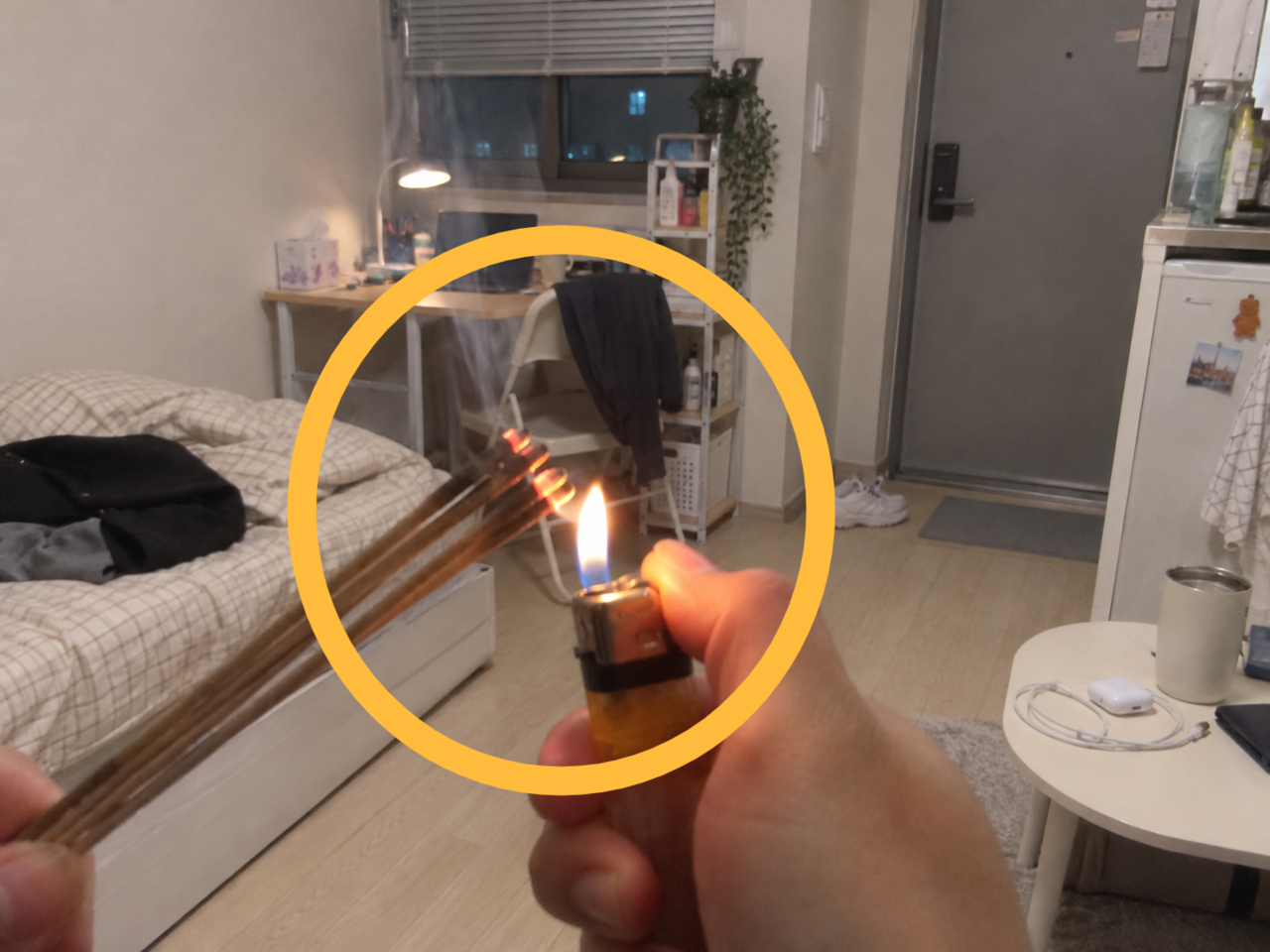
All you wanted to do was get rid of a bad smell at home.
Cooking odors have a way of lingering indoors long after the meal is done — even after cleaning and airing out the room.
The go-to fix for many people is an air freshener. Options range from scented candles and diffusers to incense sticks, used not only to mask odors but also to set a mood.
But that pleasant fragrance may be doing serious harm to the air inside your home, research suggests.

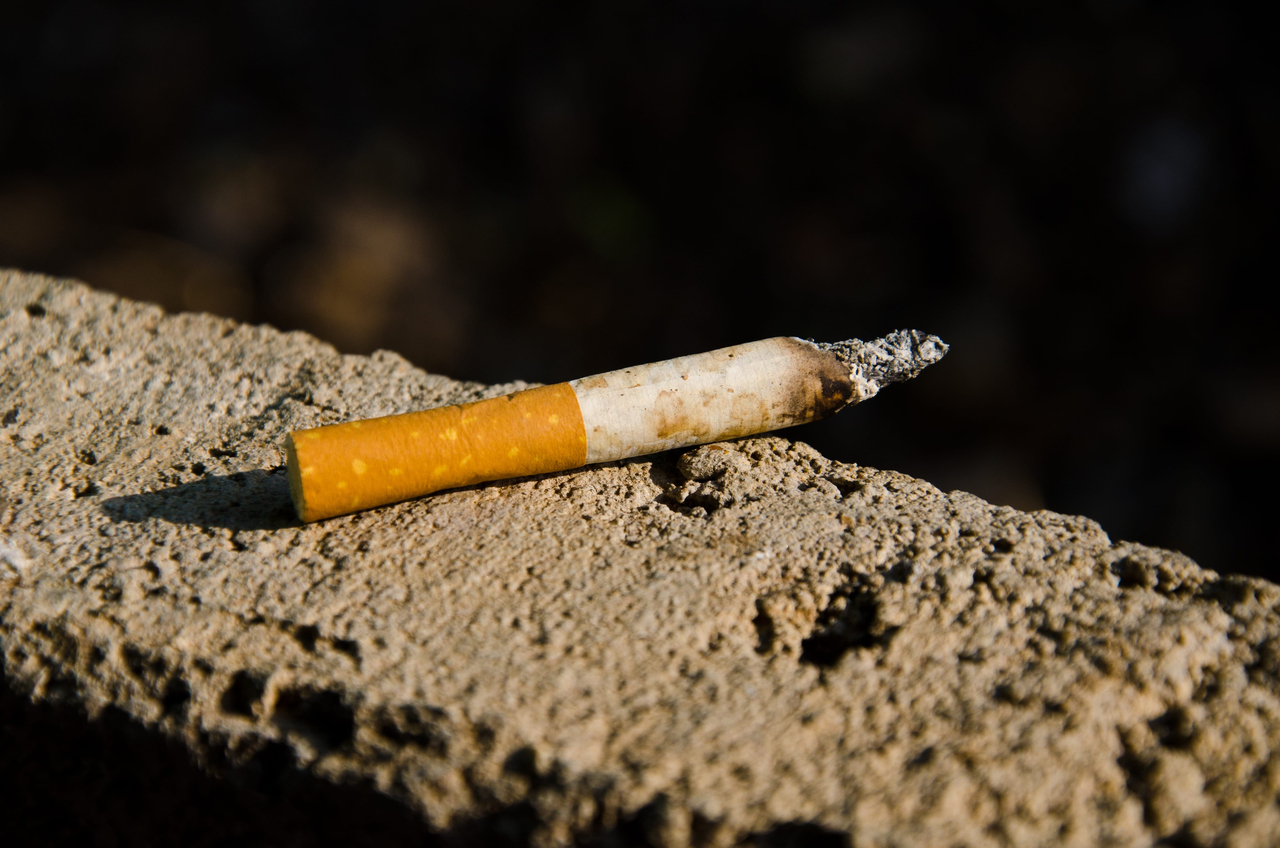
What makes the findings striking is that some products generate as much fine particulate matter — known as PM2.5 — as burning multiple cigarettes. In effect, using them indoors is little different from smoking a fragrant cigarette inside your home.
According to climate and environmental researchers, a team at Imperial College London published findings in August after analyzing indoor air quality in 112 London homes. The researchers compared PM2.5 concentration changes based on whether residents used scented candles, incense or oil diffusers.
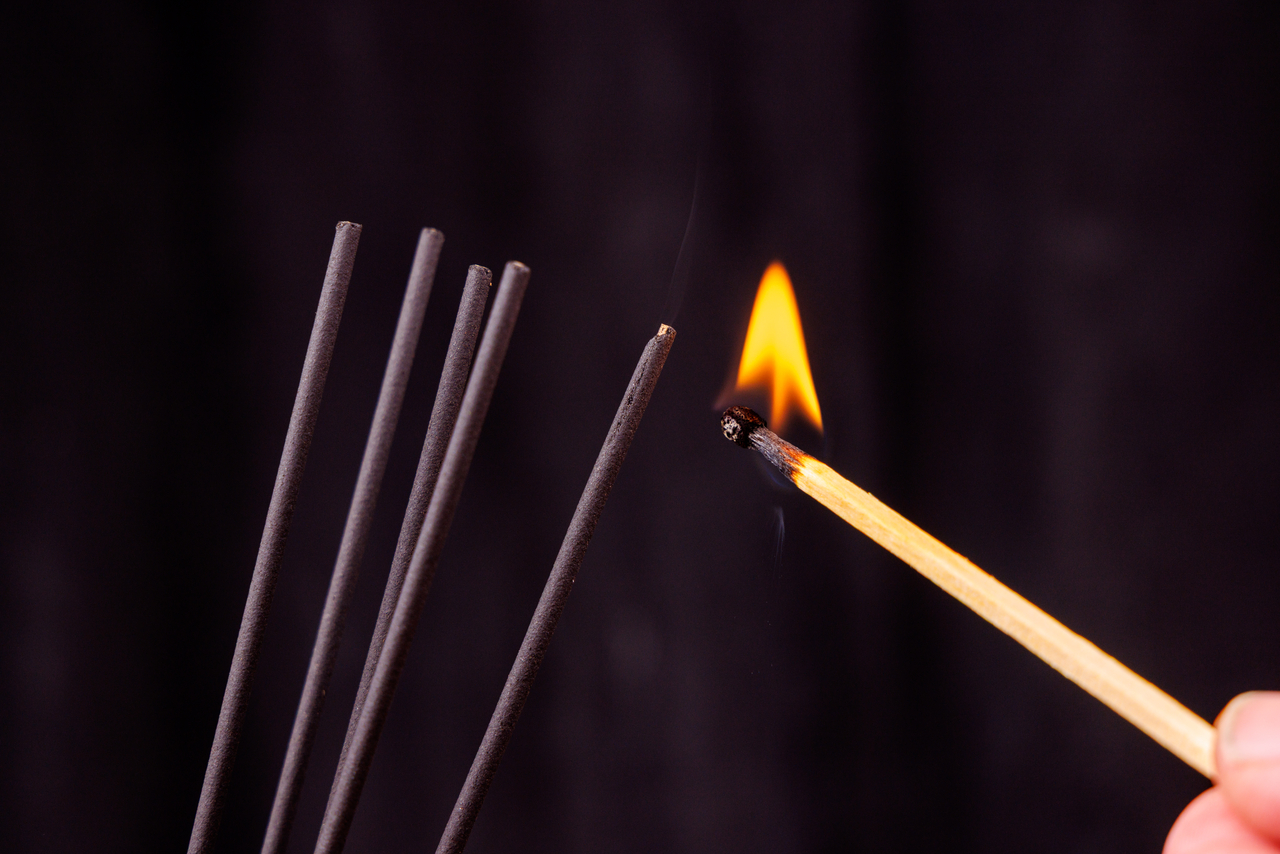
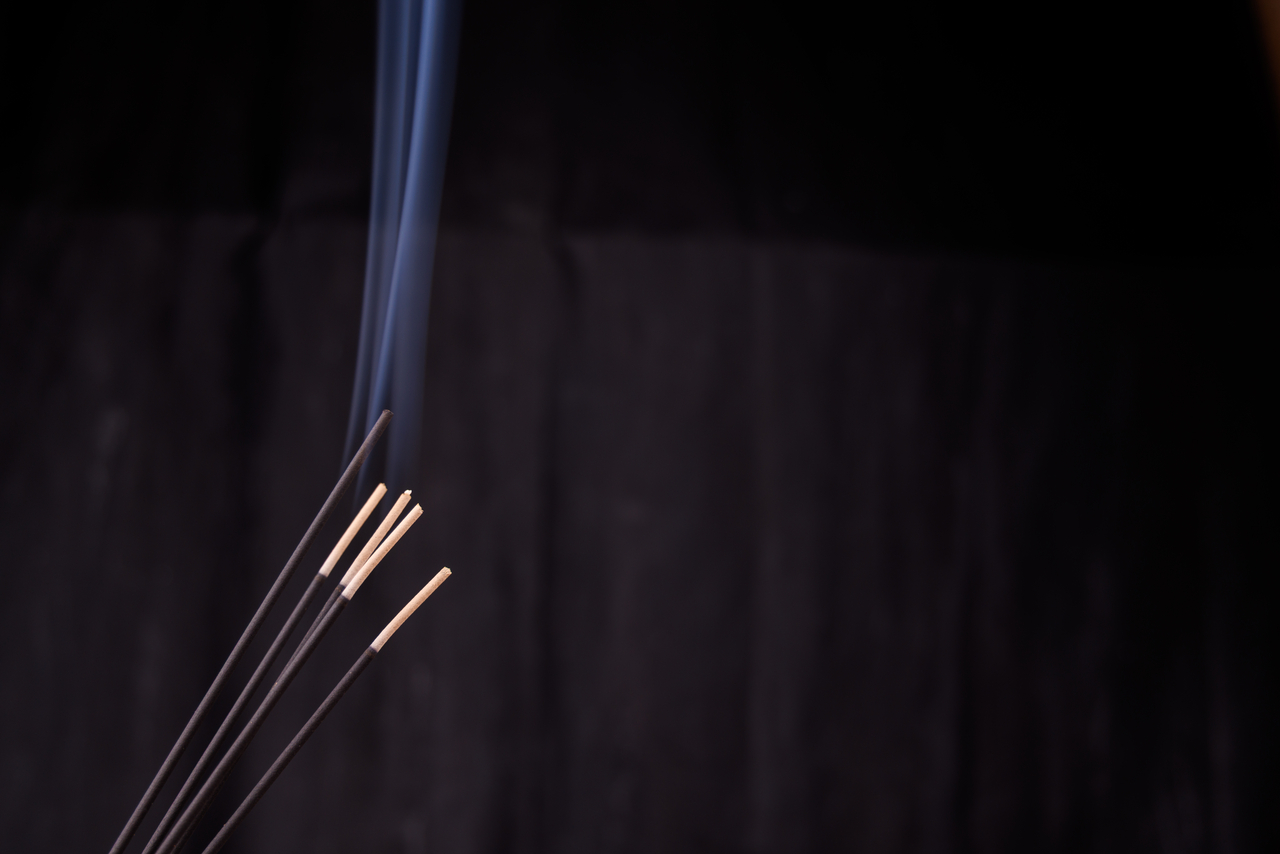
Incense produced the highest PM2.5 concentrations of any product tested. Incense sticks are typically long, slender rods lit at one end; once the flame is blown out, the stick smolders slowly, releasing its characteristic scent along with a stream of smoke.
The problem lies in what else that smoke carries. The research found that hourly PM2.5 concentrations associated with incense use reached a peak of 1,293 micrograms per cubic meter.
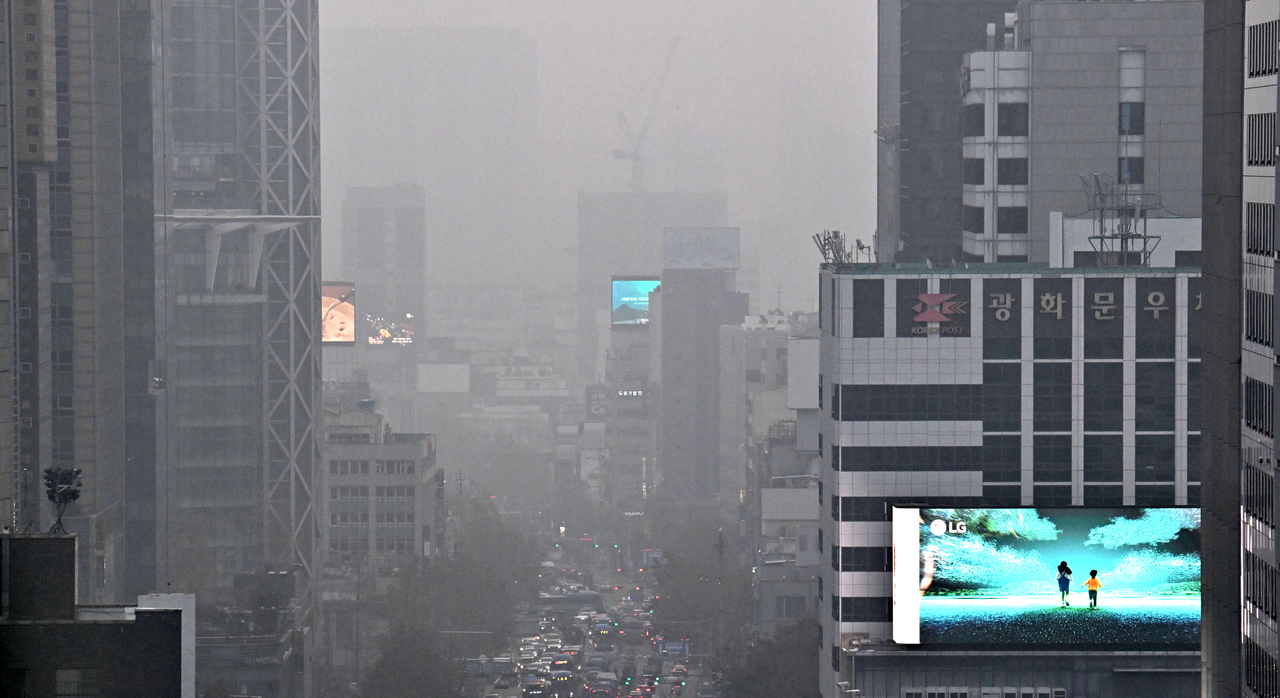
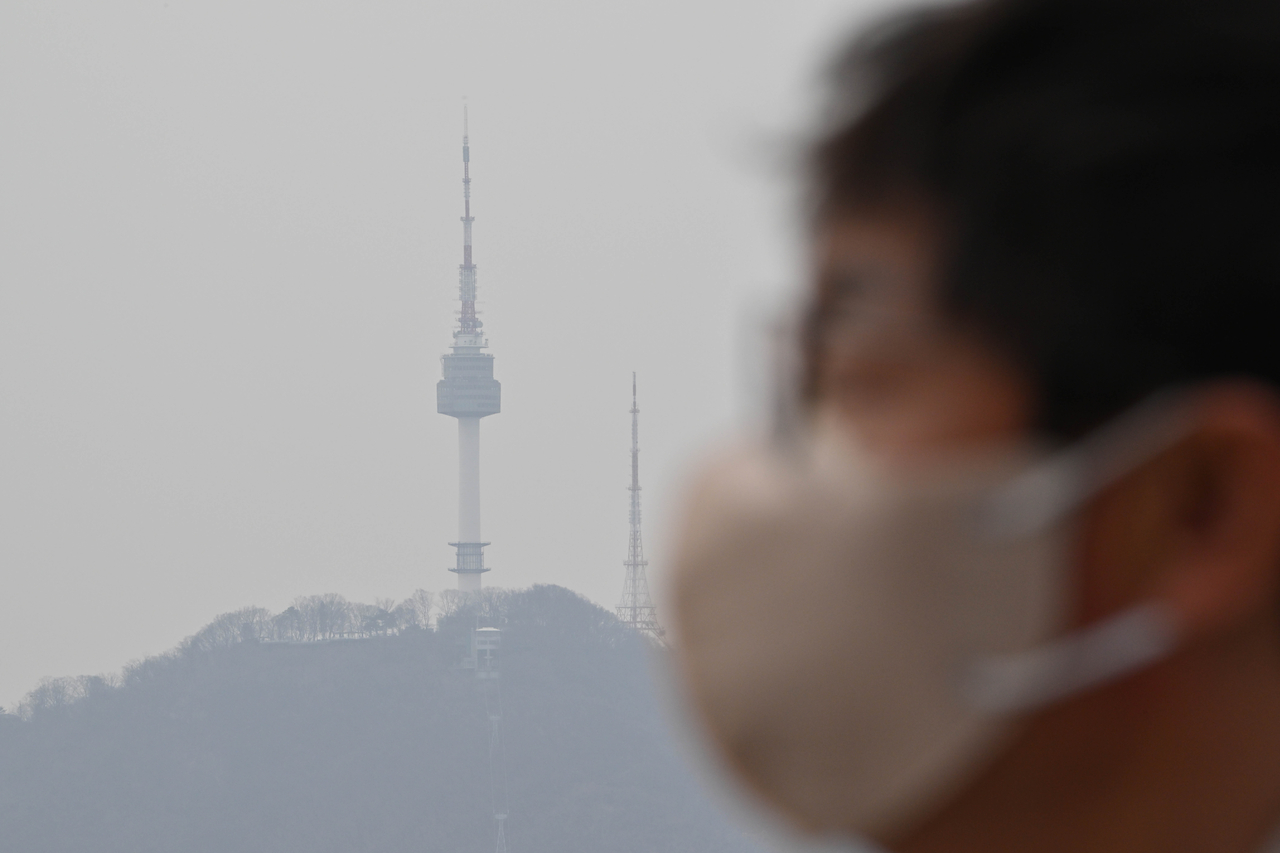
To put that in perspective: in South Korea, outdoor air is classified at the worst level — "very bad" — when the daily average PM2.5 concentration reaches 76 micrograms per cubic meter. The incense-linked indoor reading was roughly 17 times that threshold.
Separate research has directly compared incense sticks with cigarettes. A 2003 study published in the international journal Chemosphere by researchers in Taiwan measured the PM2.5 output from burning stick incense.
A single incense stick was found to emit between 32.6 and 52.7 milligrams of PM2.5 — roughly equivalent, in terms of particulate output alone, to smoking about two to four cigarettes.
The reason so much fine particulate matter is produced lies in the materials and combustion process. Incense sticks are typically made from a mixture of wood powder, fragrance compounds and binding agents, all of which burn slowly once lit.
Because those materials do not combust completely, large amounts of smoke and fine particles are released into the air. While the fragrance registers as pleasant, invisible PM2.5 spreads through the room at the same time.
Fine particulate matter is not the only concern. Burning incense sticks also releases harmful substances including benzene, formaldehyde, toluene and carbon monoxide. Benzene and formaldehyde in particular are classified as Group 1 carcinogens — substances confirmed to cause cancer in humans.
Domestic research has confirmed similarly high PM2.5 levels from incense sticks. In 2024, researchers from Eulji University and Seoul National University purchased five scented candles and five incense sticks sold on Korean online platforms and burned each product in a sealed chamber measuring 3 meters wide, 2 meters deep and 2.3 meters high, measuring the surrounding PM2.5 concentration.
The average PM2.5 concentration measured directly beside a burning scented candle was 17.4 micrograms per cubic meter. When an incense stick was burned in the same space, that figure jumped to 1,901.3 micrograms per cubic meter — about 109 times higher.
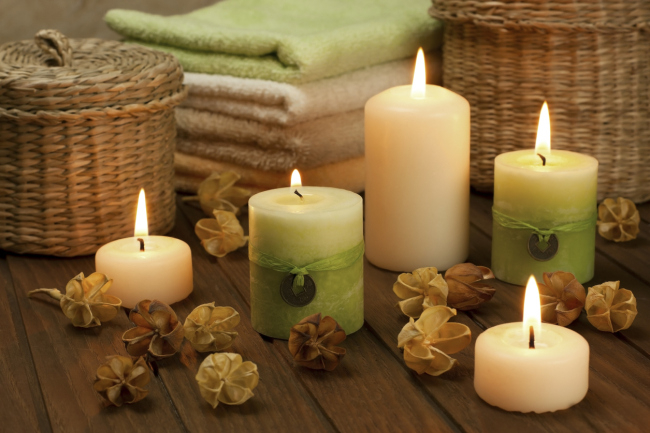
Does switching to scented candles instead of incense make things safe? Not necessarily. Beyond PM2.5, candles can release a range of chemical compounds. The researchers observed elevated concentrations of benzene, toluene and other chemicals while burning scented candles.
Particularly noteworthy is what happens the moment a candle is extinguished. When researchers blew out candles with their breath, the PM2.5 concentration measured directly beside the candle jumped to an average of 2,365.7 micrograms per cubic meter. When the flame was smothered with a lid, the average reading was limited to 13 micrograms per cubic meter — a difference of more than 180 times. How you extinguish a candle, it turns out, matters as much as how you use it.
The risks do not end when the candle or incense burns out. Fine particulate matter can linger in indoor air for a considerable time afterward.
A 2021 study by researchers at Sungkyunkwan University examined how everyday activities — cooking, cleaning and burning scented candles — affect indoor PM2.5 levels in actual residential spaces. Fine particulate matter from a significant number of those activities remained above the concentration thresholds used in the study even 30 minutes after the activity had ended.
Residents of small homes such as studio apartments where windows are located on only one side face particular risk, as limited ventilation can trap pollutants indoors. The Imperial College London study also found that exposure to fragrance-product-related PM2.5 tended to be higher in smaller homes or poorly ventilated spaces.
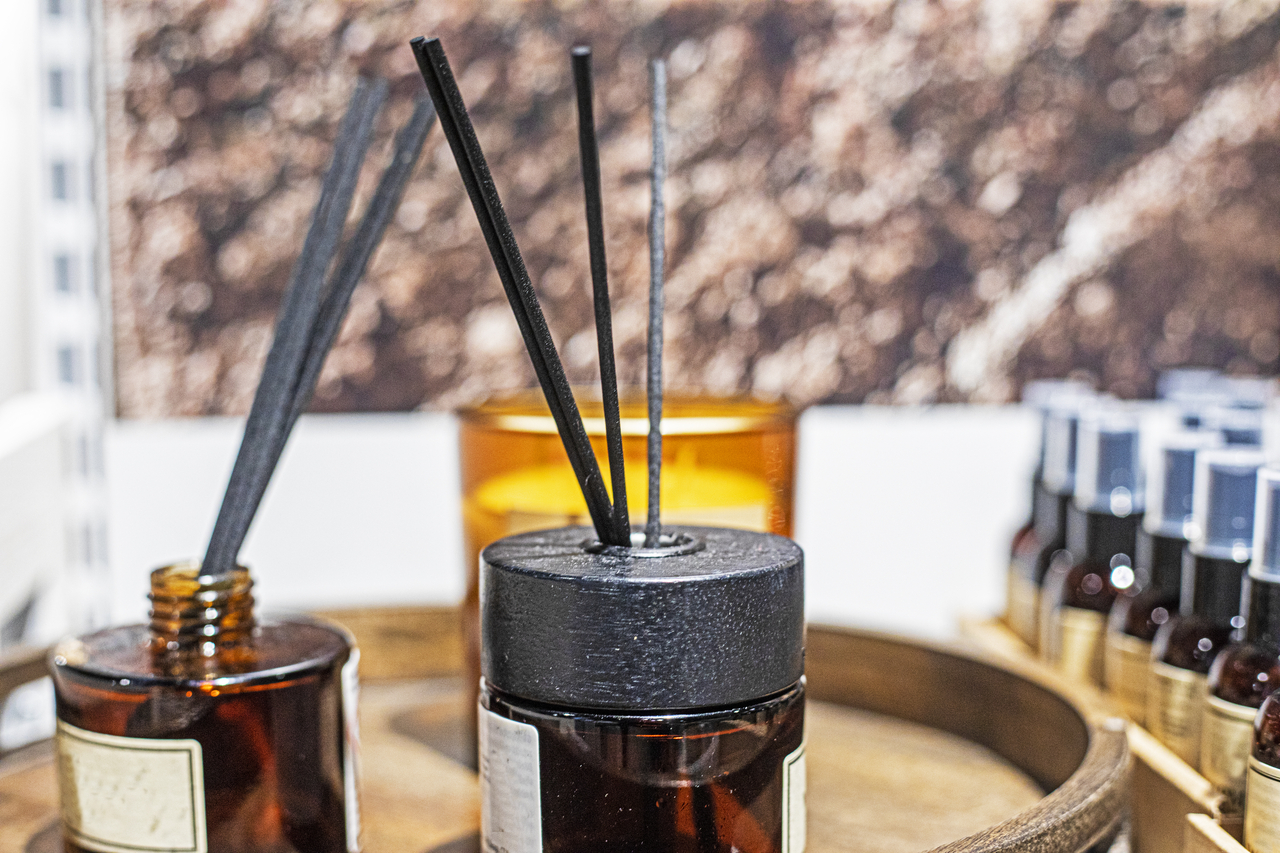
What about flame-free diffusers? They are not a fully safe alternative either. Among the fragrance products examined in the Imperial College London research, oil diffusers were associated with a peak hourly PM2.5 concentration of 858 micrograms per cubic meter — higher than the peak recorded for scented candles.
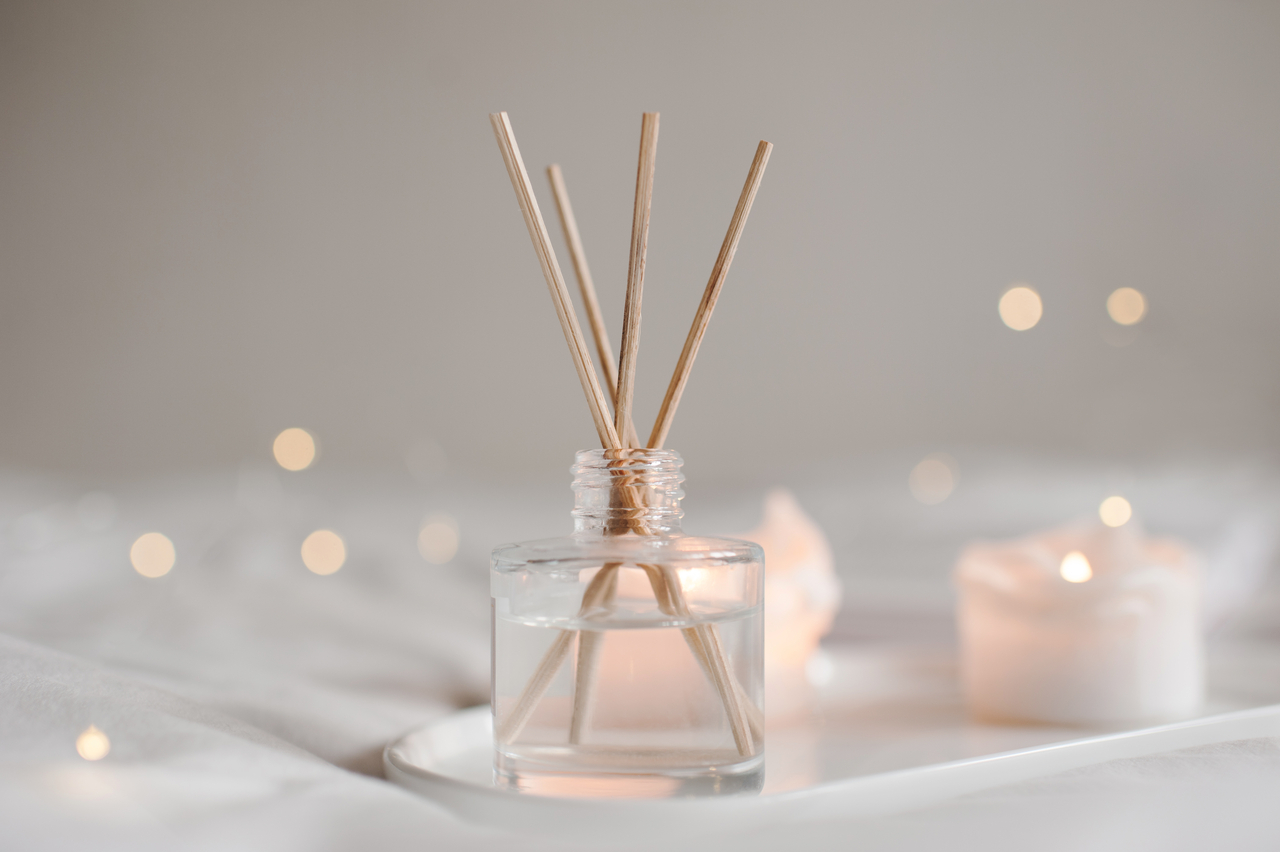
Why would a product with no flame generate fine particulate matter? The US Environmental Protection Agency explains that fragrance compounds in some air fresheners, including diffusers, can react chemically with indoor air to produce pollutants such as fine particles and formaldehyde.
In response, experts recommend avoiding fragrance products altogether. The EPA identifies eliminating or reducing pollutant sources as the most effective way to improve indoor air quality.
In practical terms, if food waste is causing an odor, the better response is to remove the waste and clean the area rather than light a candle. Domestic authorities have also urged caution over the use of fragrance products.
In a 2018 probe of scented candles and incense sticks sold on the Korean market, the Korea Consumer Agency found that five of 10 incense stick products contained benzene levels exceeding the indoor air quality guidelines that applied at the time to newly built apartment buildings.
Three of 10 scented candle products also showed airborne chemical concentrations above the indoor air quality guidelines for multi-use facilities. The Korea Consumer Agency advised consumers not to inhale smoke directly from burning candles or incense sticks, to avoid using them in enclosed spaces, and to ventilate the area during and after use.

woo@heraldcorp.com