Ministry of Culture, Sports and Tourism holds forum on Tourism Promotion Act revision
Commission structure for group tours to be overhauled
Coercive purchases and insulting conduct toward tourists to be banned
Low-quality, price-distorting products to be reined in
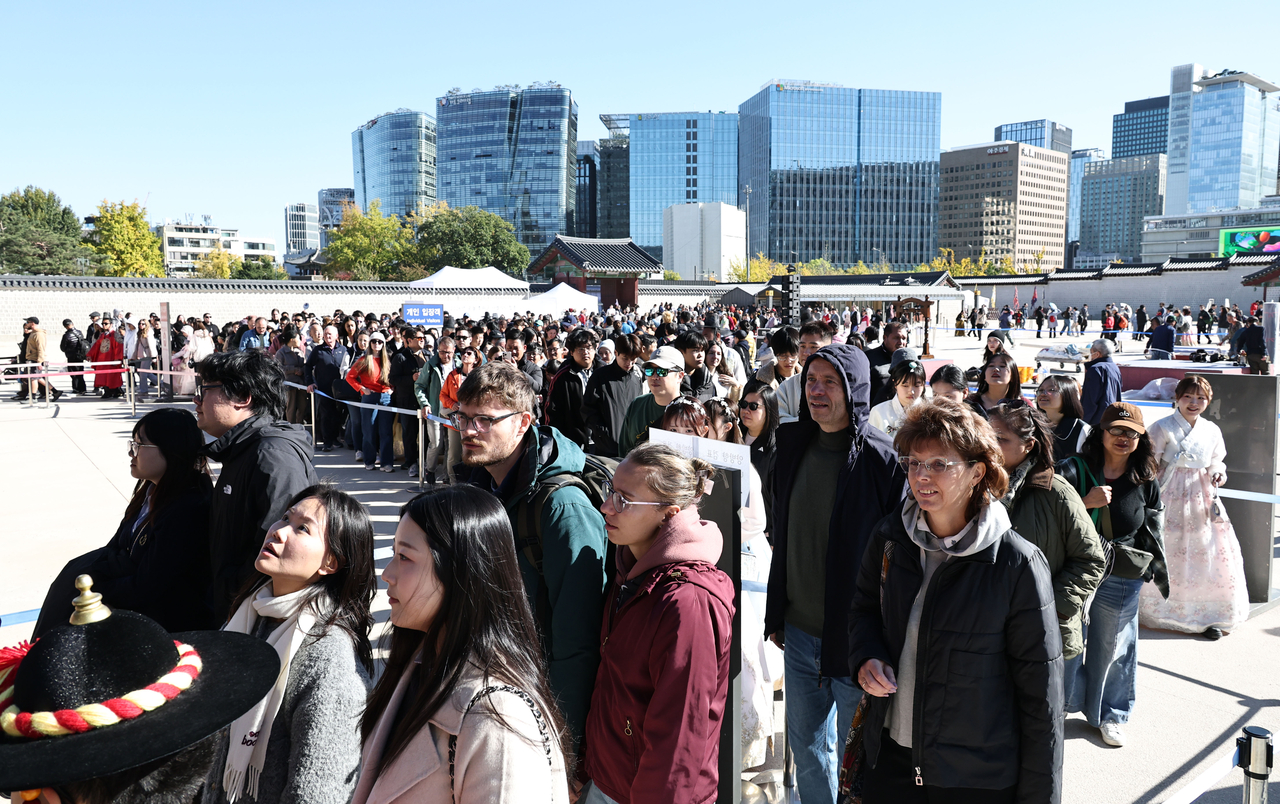
South Korea is set to introduce legal safeguards against coercive shopping and insulting conduct targeting inbound group tourists, while also capping excessive rebates between travel agencies and retail stores. The measures are expected to help stamp out a distorted retail practice in which tour operators undercut prices to attract customers and then recoup losses through mandatory shopping stops.
The Ministry of Culture, Sports and Tourism said Thursday it will hold a public forum at Seoul Garden Hotel on Friday at 2 p.m. to gather opinions ahead of revising the enforcement regulations under the Tourism Promotion Act. The forum was convened to discuss the commission rate — the revenue-sharing structure between retail stores used by group tourists and their dedicated travel agencies — which is to be set out in subordinate legislation following the amendment to Article 12-3 of the Tourism Promotion Act promulgated on June 2.
Under the newly added Article 12-3, Paragraph 3 of the Tourism Promotion Act, dedicated travel agencies are prohibited from: charging commission rates above the ceiling set by the Ministry of Culture, Sports and Tourism from facilities or stores used by group tourists while significantly undercutting the cost of attracting those tourists, thereby disrupting order in the travel industry; coercing group tourists into making purchases or subjecting them to insulting words or conduct; and covering costs owed to tourism workers they employ with commissions received from facilities or stores used by group tourists.
Until now, inbound group tour products sold overseas tended to attract customers primarily on the basis of low listed prices. Tourists had little way of knowing the proportion of shopping stops in the itinerary, the actual per-person land costs, or whether the overseas sending agency had paid the domestic dedicated travel agency a fair rate — so they chose products based solely on the advertised price. This pushed the group tour market into a race to the bottom, entrenching a distorted sales structure in which operators competed by cutting prices ever further. Products priced to reflect actual costs were ignored, leaving the market dominated by low-quality offerings.
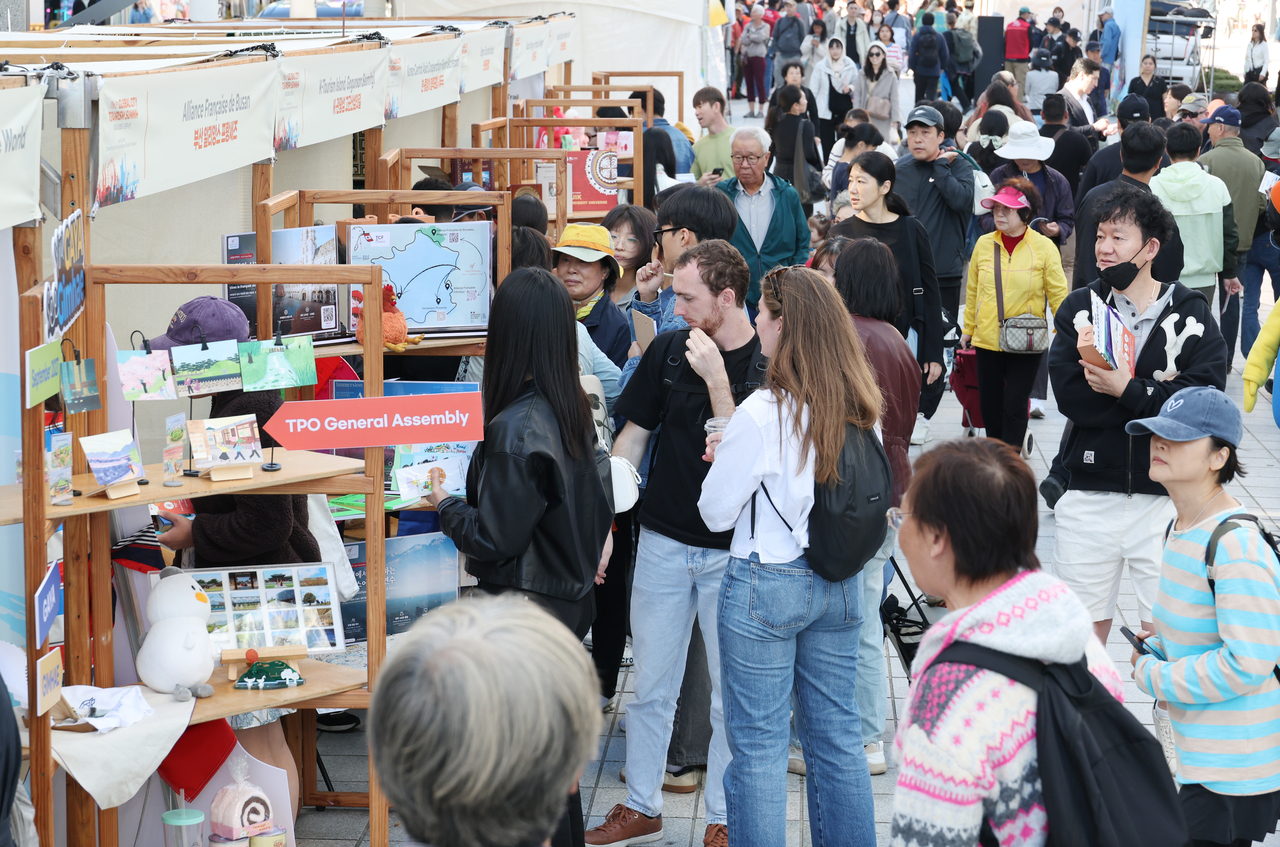
The legislative revision aims to restructure the revenue-sharing arrangement between retail stores and dedicated travel agencies in order to shift the market away from its current dominance by low-cost group tour products and increase the share of fairly priced offerings.
The Ministry of Culture, Sports and Tourism consulted stakeholders — including dedicated travel agencies and major retail outlets such as bonded and duty-free stores — and collected written opinions in drafting the revised enforcement regulations.
The draft sets specific commission rate ceilings that reflect the characteristics of individual stores and product categories, to be applied through the end of 2027, with a uniform rate taking effect from 2028 onward in a phased approach. The gradual transition is intended to give the inbound group tour market time to shift back to fairly priced products and allow stores to renegotiate contracts, cushioning the market against abrupt disruption. Within the industry, opinions are divided: some worry that travel agencies' total revenue will shrink, while others argue the government should steer operators toward restructuring their income around fair product pricing and land costs rather than shopping commissions.
At the forum, the Korea Culture and Tourism Institute will present on improving the distribution structure and restoring market integrity in the inbound group tour sector, followed by the Ministry of Culture, Sports and Tourism explaining the background and details of the proposed regulatory revision. Panelists representing both sides of the debate on tightening or easing the commission rules will then make presentations, followed by an open discussion for all attendees.
The ministry said it will finalize the revised enforcement regulations based on feedback from the forum and proceed with the formal legislative process. It plans to move quickly through subsequent steps, including consultations with relevant agencies, a public notice period, and regulatory and legal reviews.
Kang Jeong-won, director general for tourism policy at the Ministry of Culture, Sports and Tourism, said some dumping-style tours had long relied on excessive shopping commission structures, undermining order in the tourism industry and leaving visitors deeply disappointed. Kang added that low-satisfaction dumping tours reduce the repeat-visit rate and damage the country's image, and that the cap on shopping commissions will serve as an essential turning point for establishing a fair market order and achieving a qualitative leap in inbound tourism.
terry@heraldcorp.com