Attempted leak of national core technology to China foiled
Samsung SDS factory automation technology stolen for 50 billion won
Seven executives and employees charged with disclosing trade secrets abroad
The head of a domestic company who attempted to leak national core technology to China on behalf of a Chinese firm will face trial. The suspects tried to transfer Samsung Display's LCD (liquid crystal display) process technology to China but were caught before they could do so. They also face charges of unlawfully retaining Samsung SDS's factory automation technology and leaking it to outside companies, including Chinese firms.
The Seoul Eastern District Prosecutors Office said Wednesday it had indicted seven individuals — including the chief executive of the domestic company, identified only as Company A — along with the company itself, on charges of violating the Unfair Competition Prevention Act, specifically for disclosing trade secrets abroad.
The charges fall into two categories: Company A, which participated in due diligence work when Samsung Display was selling off its LCD production facilities, allegedly attempted to leak national core technology held by Samsung; and separately, Company A's executives allegedly provided Samsung SDS's factory automation technology to outside companies, including Chinese firms, without authorization.
The attempted leak of core LCD technology involved a senior executive and three employees of Company A who tried to steal eighth-generation LCD panel process technology — classified as national core technology — but failed before they could carry it out.
In 2020, Samsung Display sought to sell its LCD production facility in Asan, South Chungcheong Province, to a Chinese company. As part of that process, Company A was tasked with conducting on-site due diligence to verify whether the Asan facility was operating normally.
According to the indictment, four Company A executives and employees involved in the due diligence concluded that securing certain files during the work could help the Chinese company relocate and modify equipment and build a factory automation system. They then conspired to arrange for those files to remain undeleted and be exported along with the equipment being sold.
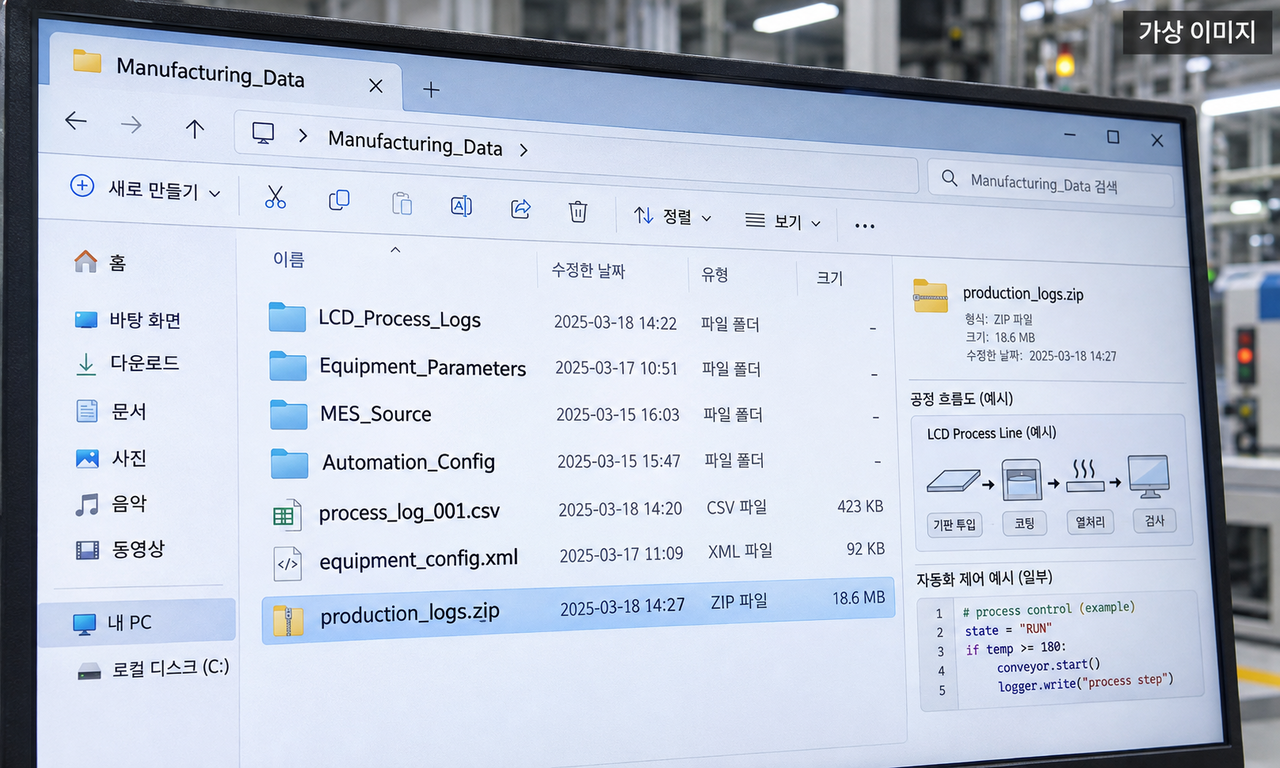
The suspects compressed log files stored on equipment PCs during the on-site inspection and took steps to prevent them from being deleted. They were caught before the files could be removed, however, leaving the attempt incomplete. According to the prosecutors office, the Chinese company they intended to hand the information to was Taijia — formally known as Guangxi Taijia Optoelectronics Technology.

On the basis of these findings, the prosecutors office indicted four Company A executives and employees — including the senior executive — on charges of violating the Industrial Technology Protection Act and the Unfair Competition Prevention Act for disclosing trade secrets abroad.
Company A's executives also face charges of providing the source code of Samsung SDS's factory automation program to outside parties without authorization. The program includes a manufacturing execution system, or MES — a central system that manages work orders on the production floor, tracks process progress and monitors production performance.
Company A, along with two former chief executives and a former executive vice president who oversaw sales — three people in total — signed a contract with Samsung SDS in November 2011 and used the program under a license worth 7.4 billion won ($5.51 million). The contract was terminated in May 2019, but they continued using the program without authorization.
They went beyond unauthorized use, however, deploying the technology on behalf of Chinese clients. Using the technology as a foundation, they developed products for Chinese companies to operate independently and transferred source code containing trade secrets to those firms.
By using the technology without authorization, they secured 33 factory automation contracts with overseas clients — including Chinese display manufacturers — between June 2019 and March 2026. The prosecutors office estimates the total economic value of those contracts at 32.1 billion won. In addition, they generated 20.5 billion won in revenue from projects carried out for both domestic and overseas clients.
The Seoul Eastern District Prosecutors Office said it intends to take a strict stance going forward, as a cybercrime-focused prosecutors office, against advanced crimes that threaten the technological competitiveness of domestic companies — including the infringement and leaking of national core technology and trade secrets.
"When selling equipment, manufacturing and operational data remaining on control PCs and similar devices must also be protected," an official at the office said. "Once a software license agreement has ended, steps must be taken to ensure that source code is not used without authorization or provided to third parties."
20ki@heraldcorp.com