Chief of staff shake-up comes 3 days after Republican midterm defeat
Further White House, cabinet reshuffles expected
Reports say Trump grew frustrated with Wiles after election loss
Miller appointment signals shift toward harder line
Global markets move on Trump's every word. If keeping up with the flood of Trump news feels overwhelming, this daily briefing has you covered — from Wall Street's closing bell to the key Trump developments shaping global asset markets, delivered in under a minute. Your shortcut to staying ahead, whether on your commute, over a solo meal, or before bed.
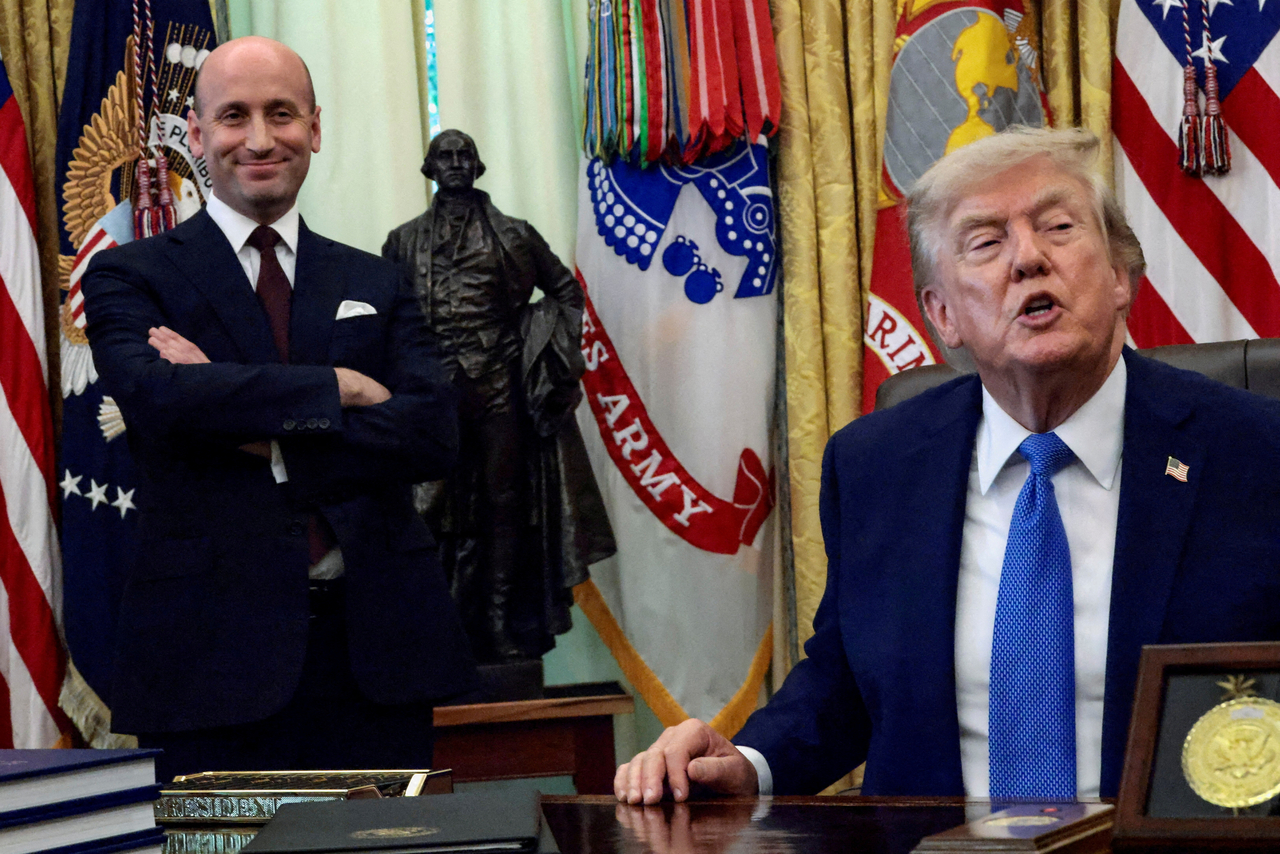
President Donald Trump announced Friday that he is replacing White House Chief of Staff Suzy Wiles with Deputy Chief of Staff Stephen Miller, 41 — just three days after Republicans lost control of both chambers of Congress in the Nov. 3 midterm elections. The shake-up has drawn attention as a possible opening move in a broader reshuffling of White House staff and the wider administration following the party's defeat.
Trump announced on Truth Social that Miller would take over as chief of staff starting Monday. He described the incoming chief of staff as "one of the staffers I trust most."
Of Wiles, Trump said she "will move to the Trump Political Operation," praising her as someone who "has done a fantastic job." He added that he was grateful for her dedication as chief of staff and that "she did a great job."
Trump did not elaborate on what the Trump Political Operation is or what role Wiles would play in it.
Wiles said on X, formerly Twitter, that serving Trump in the White House "has been the honor of a lifetime." She said she was proud to have contributed to "what we have accomplished together — from securing the border and cutting taxes to strengthening the economy and advancing America First." She added that while "my role may change, my commitment to the president and the mission will never waver."
The announcement came three days after Republicans lost their majorities in both the Senate and the House to the Democratic Party in the Nov. 3 midterms. The move is particularly notable because Trump chose to remove Wiles — who has overseen White House operations throughout his second term — and elevate Miller, one of his most hardline confidants, to the top staff position.
Earlier, the Wall Street Journal and other US outlets, citing people close to Trump, reported that he was considering a reshuffle of the White House and cabinet following the midterm loss.
With the chief of staff position serving as the first change in what may be a series of personnel moves, analysts expect further cabinet reshuffling to follow.
Speaking to reporters at the White House, Trump acknowledged that Wiles had done good work but said he "wanted to make a change," signaling that the reshuffle was tied to the midterm defeat.
Wiles served as Trump's campaign manager for his 2024 presidential election victory and has been a central figure overseeing White House operations since the start of the second term. The first woman ever to serve as White House chief of staff, she was widely regarded as having kept the White House running smoothly on the strength of a close relationship with Trump.
Of late, however, reports emerged of growing friction between Trump and Wiles.
The New York Times, citing sources with direct knowledge of internal White House matters, reported Friday that Trump had recently begun excluding Wiles from key personnel decisions.
In particular, Trump selected a successor to former White House Press Secretary Karoline Leavitt without consulting Wiles, and at times criticized her in front of other aides even on decisions he had approved, the Times said.
After the midterm results, Trump expressed dissatisfaction with Wiles and her political staff to some aides, according to reports.
Trump had initially been reluctant to allow his super PAC to spend $400 million supporting Republicans in the midterms, but approved the spending in September after Wiles and other political aides persuaded him, according to reports.
People close to Wiles rebuffed the suggestion, however, telling the Times that Trump was in effect trying to shift blame for the failure of an election strategy he had largely driven himself.
Wiles was diagnosed with breast cancer earlier this year and continued in her role as chief of staff while undergoing treatment, recently announcing that she had been cleared of the disease.
Miller, who succeeds Wiles, is one of Trump's most prominent hardline allies and has been a central architect of anti-immigration policy since the first term. Born in 1985, Miller has worked with Trump since the start of his first presidential campaign in 2015 and played a leading role in drafting Trump's first inaugural address. He served as senior policy adviser in the first Trump administration.
In the second administration, Miller has served as deputy chief of staff for policy, driving hardline immigration measures including large-scale deportations of undocumented immigrants. Over the past year he expanded his influence beyond immigration to domestic policy more broadly and has been a vocal advocate for expansive use of presidential executive authority, CNN reported.
Axios reported that Miller favors a hawkish approach not only on immigration but also toward Iran, and that his elevation to chief of staff could bring changes to the Trump administration's broader governing strategy.
yckim6452@heraldcorp.com