The district signed an MOU Friday with Dongdaemun Post Office and Dongdaemun Food Bank Market to deliver daily necessities to residents who cannot visit the market in person. Letter carriers will check on residents' well-being during deliveries and refer those showing signs of crisis to community welfare services.
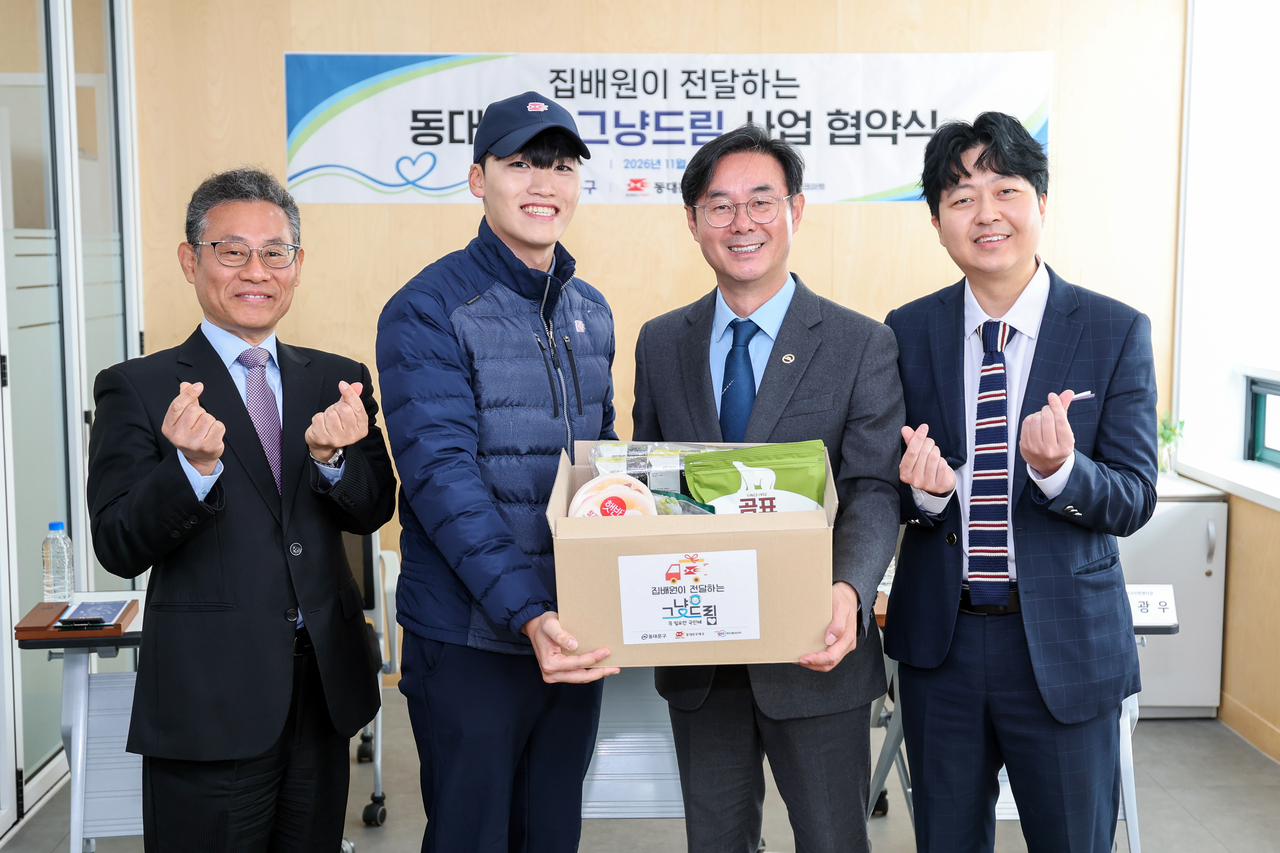
Dongdaemun-gu signed a memorandum of understanding Friday with Dongdaemun Post Office and Dongdaemun Food Bank Market to advance the "Dongdaemun-style Geunyangdeurim project," a support program that provides daily necessities to residents in sudden need without requiring complex applications or documentation.
Dongdaemun-gu is the first autonomous district in Seoul to partner with a post office to run the program.
Under the existing model, residents in need can walk into the food bank market and receive essential goods on the spot. The district also conducts welfare consultations during those visits and, where necessary, connects residents to public benefits such as the National Basic Livelihood Security program or emergency welfare assistance, as well as private support services.
Since the program launched in May, the district has provided goods to a total of 1,437 residents, including 221 who received a second round of support. Residents who repeatedly use the service or are found to be facing ongoing hardship are referred to counseling and welfare services, building a safety net that links outreach, consultation and support. As the program has grown, private donations have also increased — about 3,700 contributions worth 4.5 million won ($3,350) in total have been collected, providing a stable supply base for goods distribution.
The existing model, however, required residents to visit in person — a barrier for those who cannot easily leave home. The new "doorstep Geunyangdeurim" service introduced under Friday's agreement will have letter carriers deliver daily necessities directly to residents who have difficulty visiting the food bank market, including single-person households with limited mobility, isolated youth and people with disabilities. Because letter carriers make daily rounds in the same neighborhoods, they will check on residents' well-being during deliveries and observe their living conditions, including health, housing and hygiene. Any signs of crisis will be reported to the local community center for prompt welfare intervention.
Under the arrangement, Dongdaemun-gu will handle welfare administration, Dongdaemun Post Office will contribute its district-wide postal delivery network, and Dongdaemun Food Bank Market will manage private donations and goods supply. The partnership aims to go beyond simple delivery, expanding the local welfare safety net to identify households in crisis early and connect them to services as part of daily life.
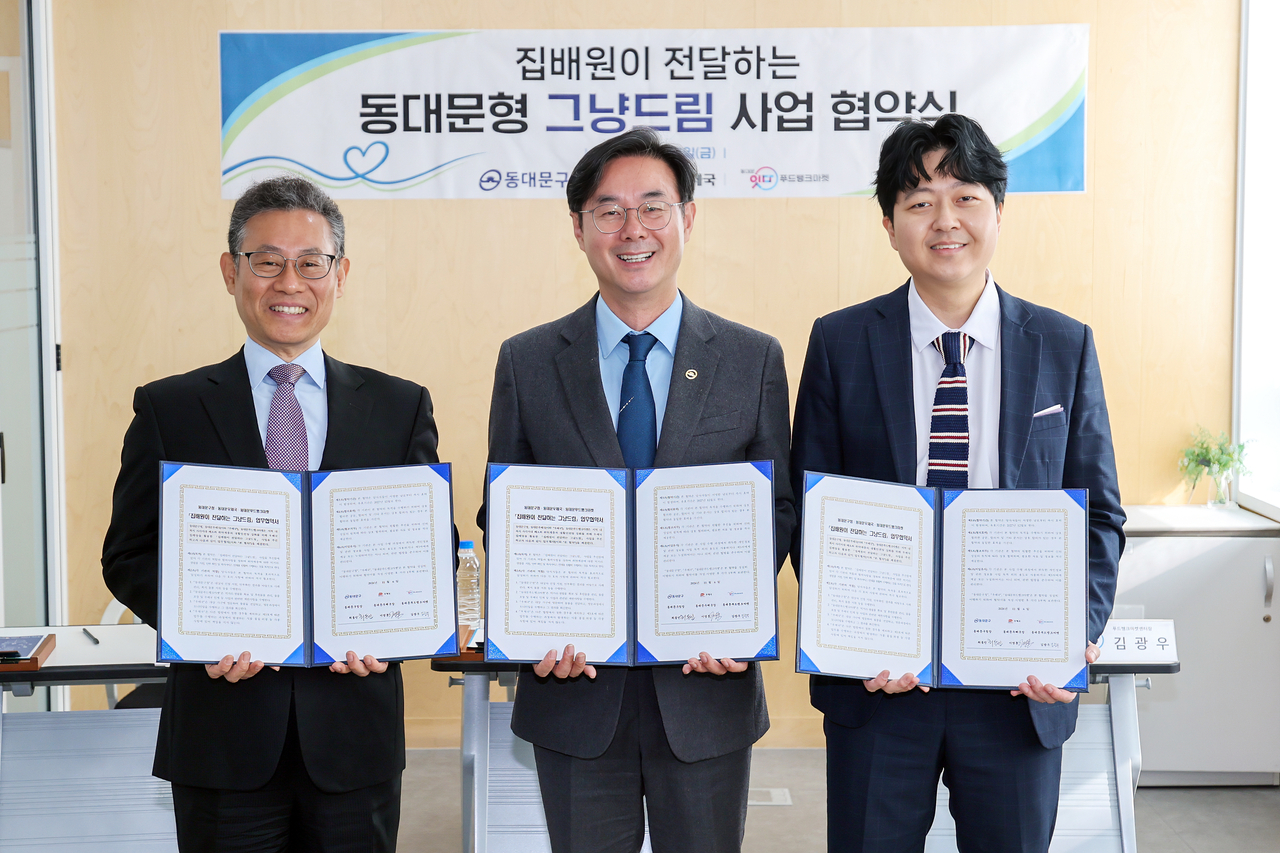
The district plans to gradually expand the doorstep delivery service following the agreement and to further strengthen its public-private welfare cooperation framework.
"Welfare is not about waiting for residents who need help to come to us — what matters is that we look out for them and go to them first," Dongdaemun-gu District Mayor Choi Dong-min said. "Through this agreement, we will closely link private resources with public services and make full use of Dongdaemun Post Office's delivery network to identify households in crisis one step earlier and connect them to the support they need without delay, building a proactive, everyday welfare system."
seouldream01@heraldcorp.com