Government bill would end tax break two years early, adding 35 million won per electric bus
Early termination could derail green transit shift and strain smaller operators
Cities call on central government to maintain exemption and expand subsidies
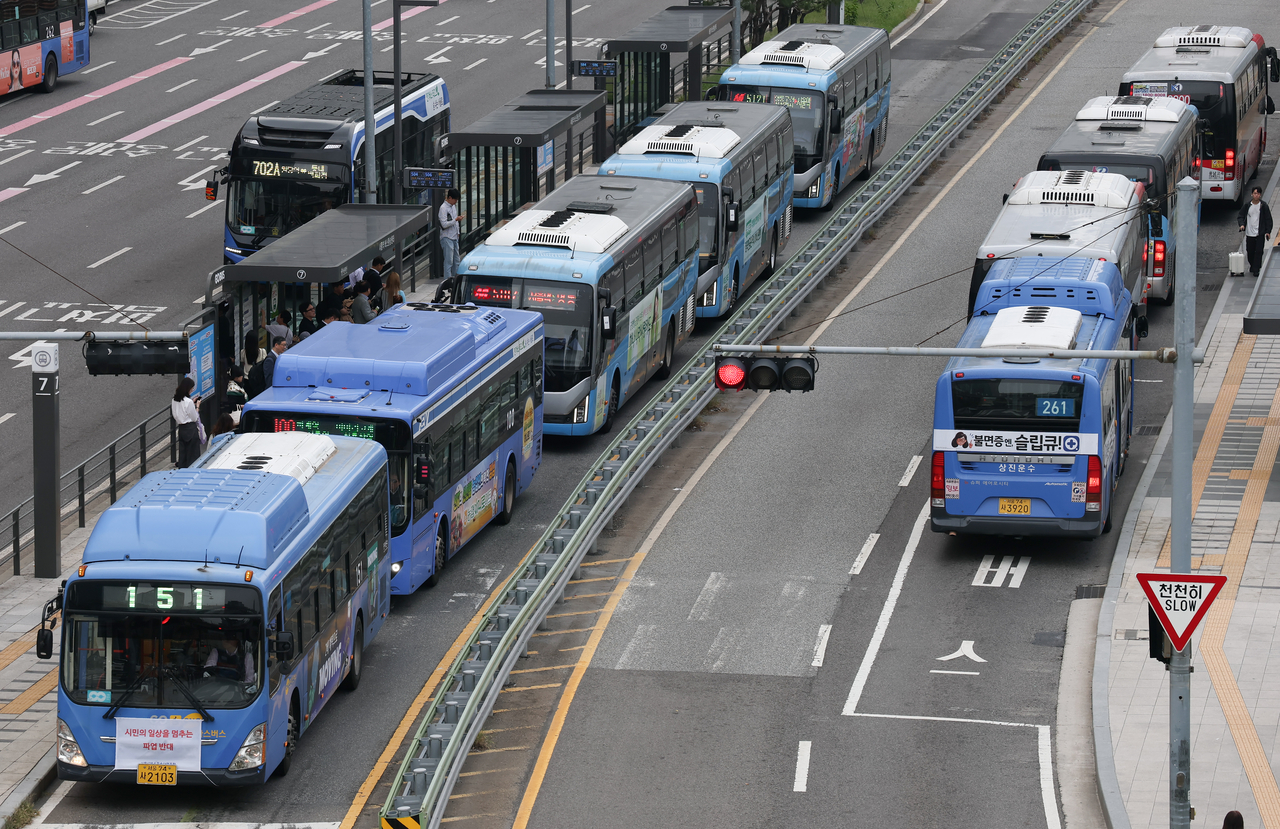
The Seoul Metropolitan Government announced Thursday that it is joining 15 other local governments nationwide in a joint push to withdraw a pending bill that would end a value-added tax exemption on eco-friendly city and community buses.
The exemption is under threat from an amendment to the Restriction of Special Taxation Act currently before the National Assembly.
Under current law, the VAT exemption on the supply of eco-friendly city and community buses — including electric and hydrogen models — was set to remain in effect through Dec. 31, 2028. If the government's amendment passes, however, the exemption would end two years early, on Dec. 31, 2026.
Vehicles delivered from Jan. 1, 2027 onward would then be subject to a 10 percent VAT on the purchase price. Based on an average vehicle price of about 350 million won ($261,000), the upfront cost of a single electric bus would rise by roughly 35 million won.
Seoul currently operates more than 9,000 buses — about 7,400 city buses and 1,600 community buses. Of those, roughly 2,000, or about 22 percent of the total fleet, are eco-friendly electric or hydrogen models.
Local governments across the country view the proposed change as a serious threat to their green transit transition policies. Smaller, financially constrained operators — particularly privately run community bus companies — would face tens of millions of won in additional upfront costs, potentially forcing them to avoid eco-friendly buses altogether, scale back replacements, or extend the service life of aging vehicles.
The additional fiscal burden from the VAT is estimated at an average of 35 million won per bus, amounting to roughly 139.8 billion won annually nationwide.
Emission-free, quiet electric and hydrogen buses have become an essential part of improving residents' quality of life and creating a cleaner public transit environment. Sustained institutional and fiscal support from the central government is urgently needed, the cities said.
The 16 local governments, including Seoul, agreed that continued government support is necessary to sustain the green bus transition and maintain public transit services. They plan to formally call on the central government and the National Assembly to halt the proposed amendment, preserve the existing VAT exemption for eco-friendly city and community buses, and expand national subsidy support for eco-friendly low-floor buses.
Yeo Jang-gwon, Seoul's transportation commissioner, said the green bus transition is a core policy directly tied to residents' quality of life, making sustained attention and institutional backing from the central government essential.
ikson@heraldcorp.com