Countries worldwide are drafting next year's defense budgets with sharp increases
Chile, Peru and the Philippines among nations boosting military spending
Korean defense firms, facing a slower order intake, look to emerging markets
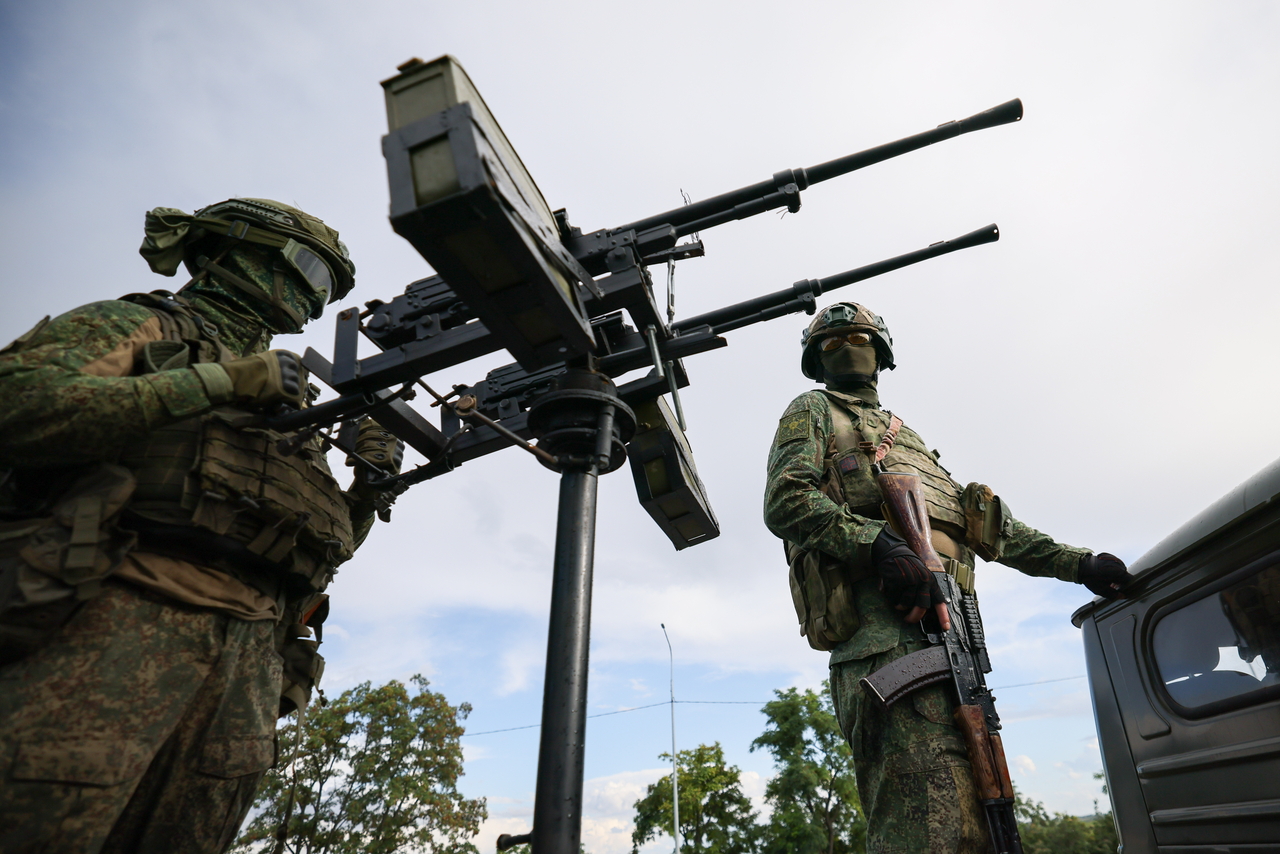
A global trend of rising defense budgets, driven by geopolitical instability including conflicts in the Middle East and pressure from Washington, is spreading beyond Europe to Latin America and Southeast Asia. As countries in those regions announce sharp increases in next year's military spending, South Korean defense firms — whose order intake has slowed this year — are hoping for a rebound.
Chile, Peru, Philippines among nations ramping up defense budgets
According to foreign media reports compiled Saturday, the Chilean government submitted a defense budget proposal for fiscal year 2027 worth 2.48 trillion pesos ($2.56 billion) in October. That represents a 10.2 percent increase from the previous year's budget of 2.25 trillion pesos — a striking jump given that Chile's defense budget grew just 0.3 percent the year before.
Analysts attribute the surge to the spread of military tensions into Latin America, as the Russia-Ukraine war drags on and a US-Iran war broke out this year. Santiago-based think tank LyD (Libertad y Desarrollo) said global geopolitical tensions have "taken over the budget agenda," adding that the defense budget's growth rate "far exceeds the overall budget increase."
Neighboring Peru has followed a similar path. Its 2027 defense budget, drafted in September, totals 11.66 billion soles ($3.47 billion), up 15 percent from the previous year's 10.17 billion soles. The increase reflects funding for replacing aging military equipment and modernizing military facilities.
In Southeast Asia, the Philippines — embroiled in an ongoing dispute in the South China Sea — has sharply raised its defense spending. The country's proposed 2027 defense budget stands at 324.63 billion pesos ($5.16 billion), up 6.1 percent from the previous year.
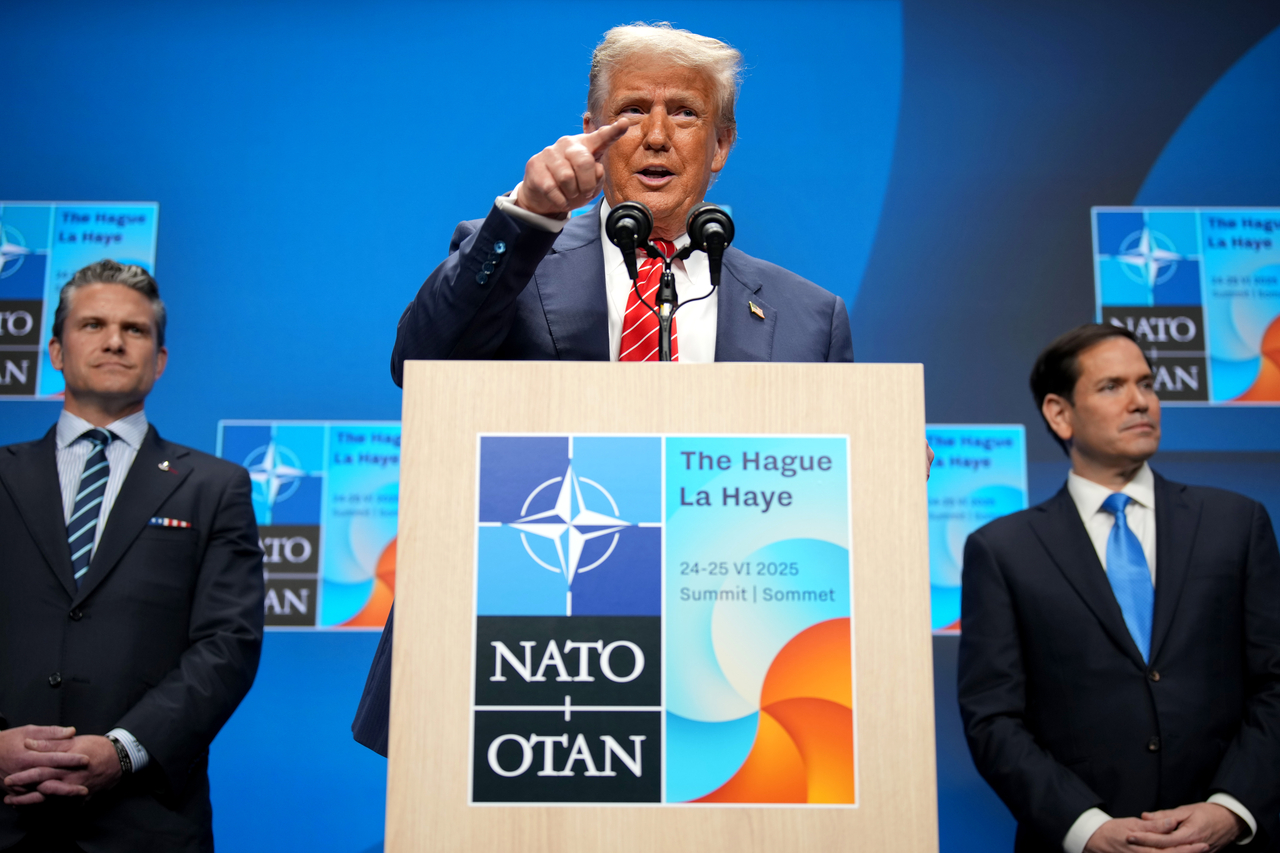
The defense spending expansion that began in Europe is now spreading worldwide amid continuing geopolitical conflicts, including the war in the Middle East. NATO, under pressure from the Trump administration, was among the first to commit to higher defense outlays, pledging last year to raise spending to 5 percent of GDP by 2035. Washington has also this year sharply cut military aid to Latin America, calling on countries in the region to fund their own defense.
K-defense firms, facing order slowdown, push into emerging markets
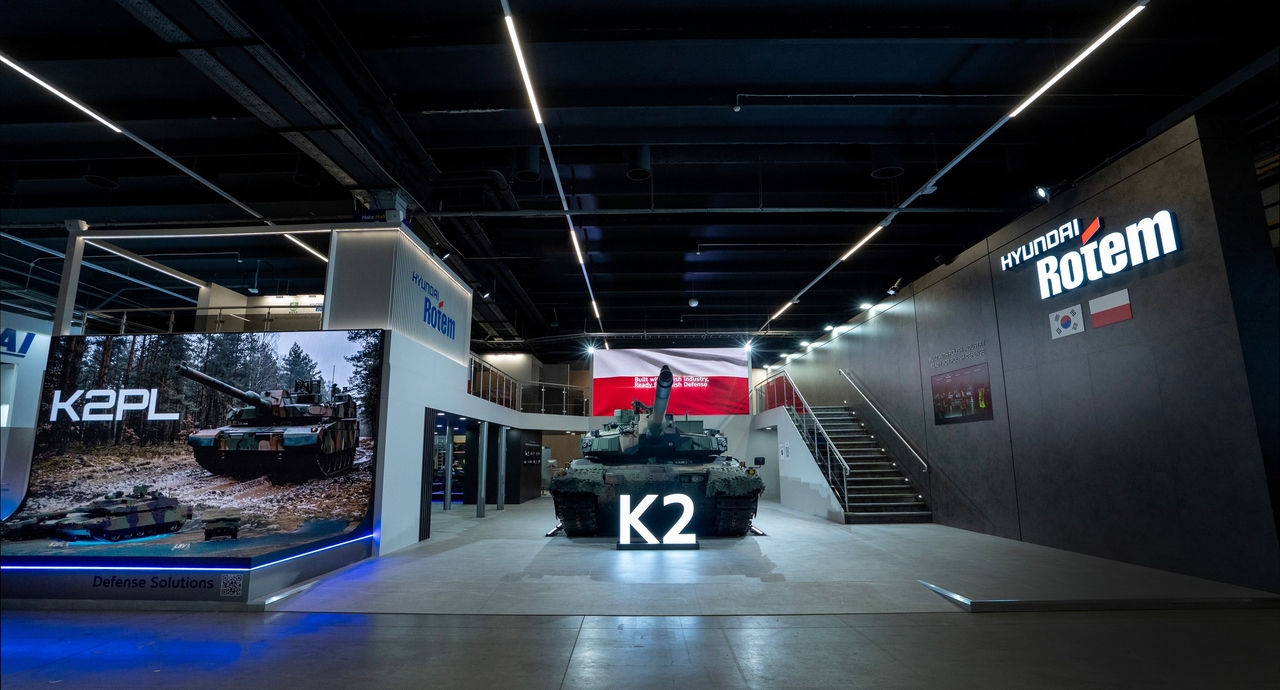
The global defense spending trend has raised hopes that South Korean defense firms can reverse a slowdown in new orders. The country's major defense companies have struggled to secure large contracts this year. Among the four leading South Korean defense firms, the combined order backlog of Hanwha Aerospace, Korea Aerospace Industries and Hyundai Rotem's defense division — the three that have reported third-quarter earnings — stood at 70.81 trillion won ($52.8 billion), down about 3 trillion won from the previous quarter.
South Korean defense companies have been actively targeting Latin America and Southeast Asia. Hyundai Rotem recently won a contract to supply armored vehicles to the Peruvian army, marking the first export of a domestically produced infantry fighting vehicle to Latin America. The company is also in talks to export K2 tanks to Peru, according to industry sources.
Hanwha Aerospace has its sights set on Chile's armored vehicle modernization program. The company participated in a Chilean defense expo earlier this year, signing an MOU with Spanish defense firm Indra Group to jointly propose a turnkey solution for the program.
The Philippines is a market that both the defense and shipbuilding industries are watching closely. HD Hyundai Heavy Industries and Hanwha Ocean are competing for a Philippine government contract to procure two submarines worth 2 trillion won. KAI, which has been supplying the Philippines with FA-50 light combat aircraft since 2015, signed a follow-on logistics support contract in February and is now in talks to supply up to 40 KF-21 supersonic fighter jets.

klee@heraldcorp.com