Heat advisories: apparent temperature. Cold wave advisories: actual temperature.
Winter wind-chill data provided separately as lifestyle weather information.
US issues cold warnings based on apparent temperature; Japan sets regional thresholds.
The minus-12-degree standard, set in 2010 over pipe-freeze data, remains unchanged after 16 years.
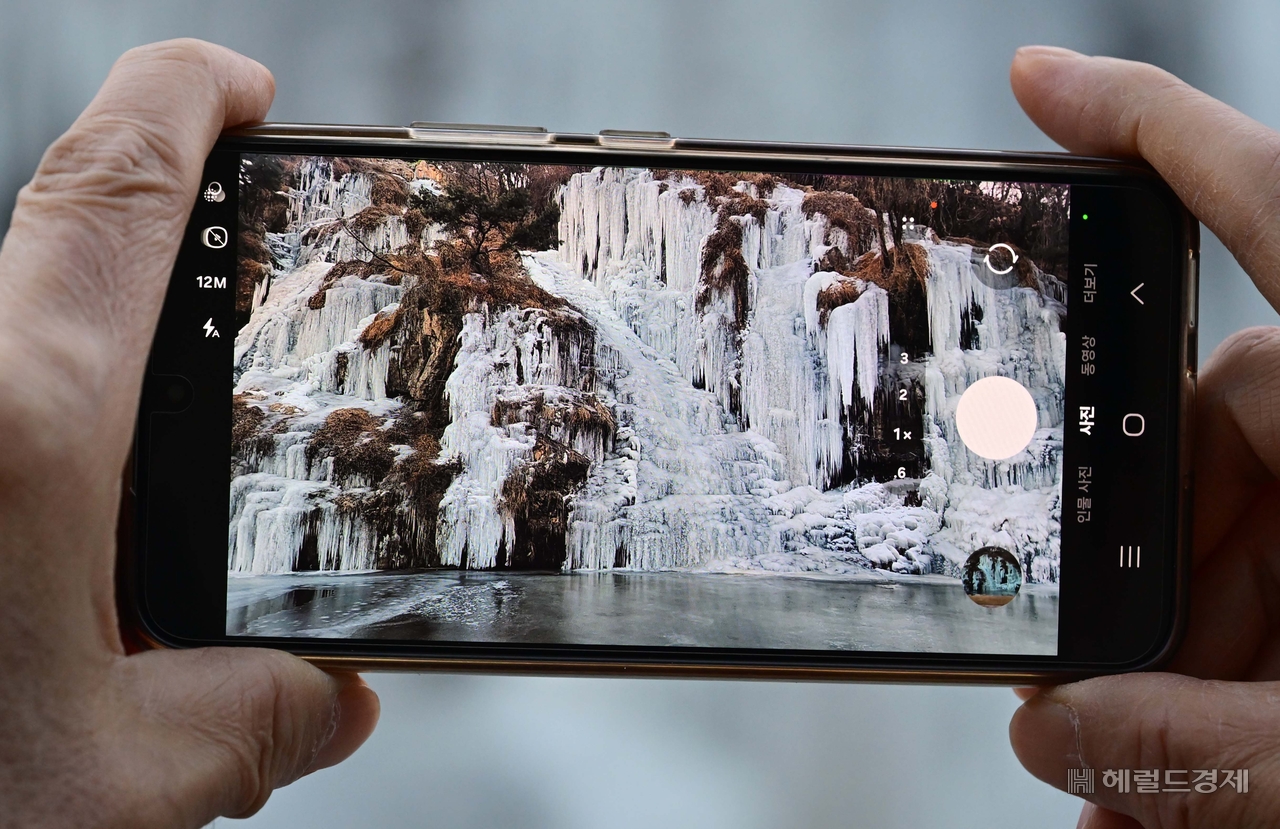
South Korea has issued heat advisories based on apparent temperature since 2023, but cold wave advisories still rely solely on actual air temperature — including the threshold of a morning low at or below minus 12 degrees Celsius for two or more consecutive days, a standard introduced in 2010.
According to the Korea Meteorological Administration's weather portal, a cold wave advisory may be issued between October and the following April when either of two conditions is met.
The first condition is when the morning low is forecast to drop 10 degrees Celsius or more from the previous day's reading, fall to 3 degrees or below, and remain at least 3 degrees below the climatological normal. The second is when the morning low is forecast to stay at minus 12 degrees or below for two or more consecutive days.
A cold wave warning — one level above an advisory — uses the same structure but applies a 15-degree drop threshold and a minus-15-degree minimum.
The heat advisory standard has already been revised. The KMA ran a pilot program using apparent temperature as the basis for heat advisories starting in May 2020, and formally adopted the new standard on May 15, 2023.
Under the current rules, a heat advisory is issued when the daily maximum apparent temperature is forecast to reach 33 degrees Celsius or above for two or more consecutive days.
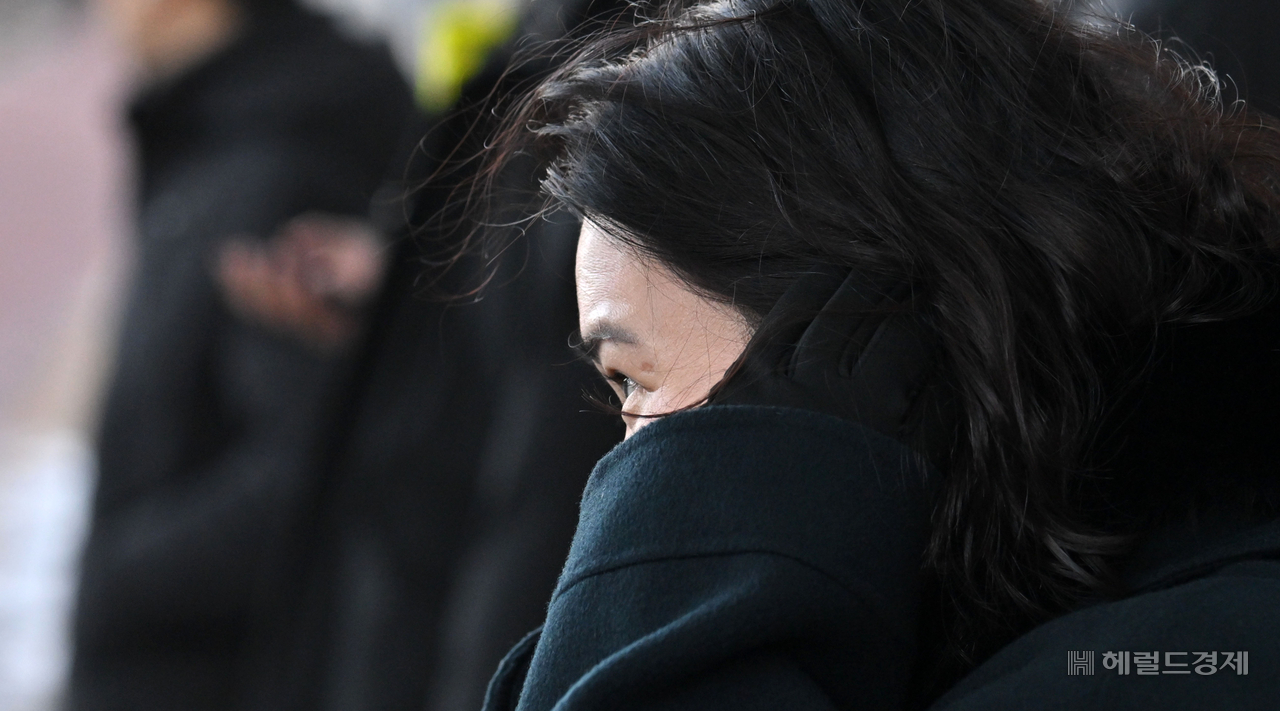
Winter wind-chill figures are calculated — just not used for alerts
The KMA does calculate apparent temperature for winter as well.
According to the KMA's open meteorological data portal, the winter apparent temperature index is computed from October through the following April using air temperature and the 10-minute average wind speed, and is only generated when the temperature is at or below 10 degrees Celsius and wind speed is at least 1.3 meters per second — the same period during which cold wave advisories are in effect.
Apparent temperature is an index measuring how cold a person or animal outdoors feels as wind strips heat from exposed skin.
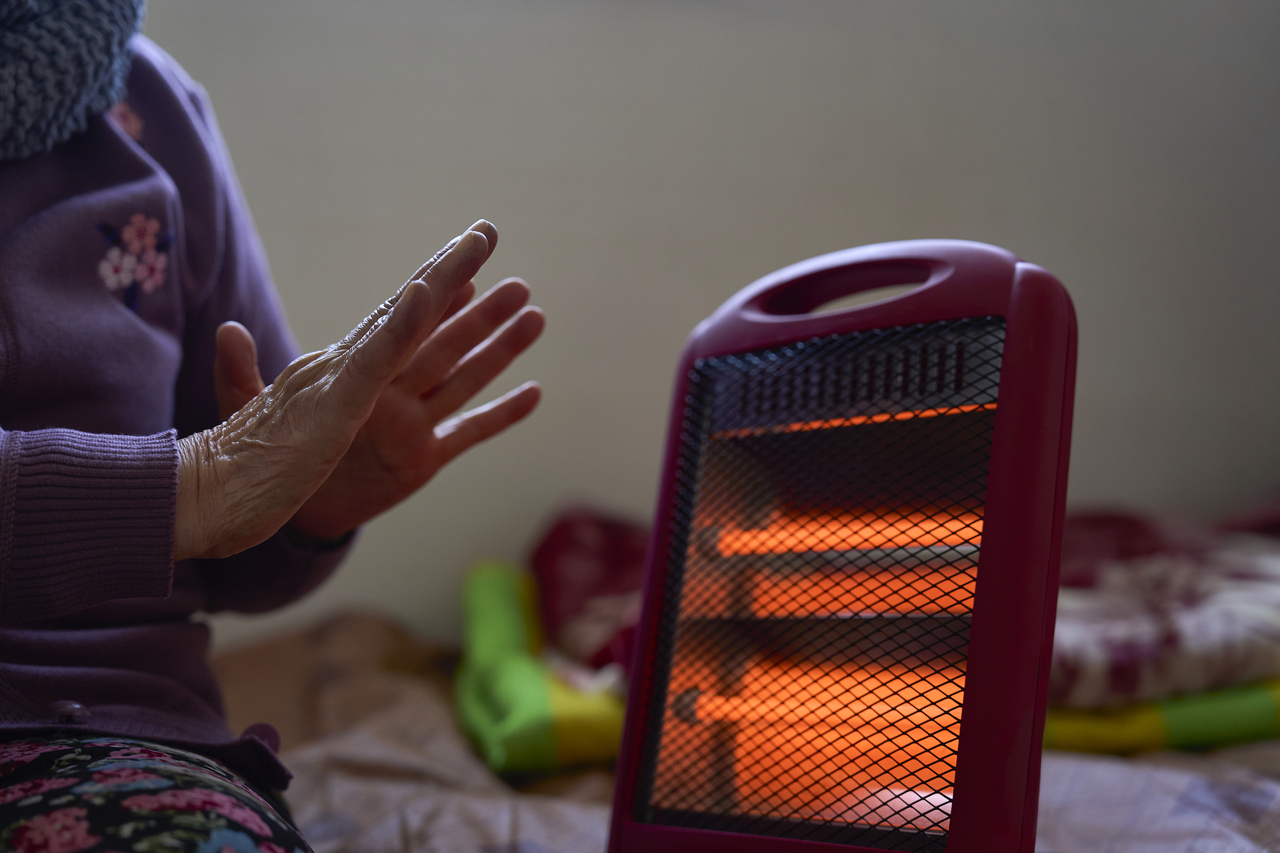
An apparent temperature between minus 10 and minus 25 degrees Celsius falls in the "Caution" category, where prolonged exposure carries a risk of hypothermia. Between minus 25 and minus 45 degrees — the "Warning" level — frostbite can set in within 10 to 15 minutes.
Winter apparent temperature is provided as lifestyle weather information but is not factored into the criteria for issuing cold wave advisories.
Winter apparent temperature is influenced more by wind than by air temperature, and wind can vary significantly within the same area depending on terrain and buildings.
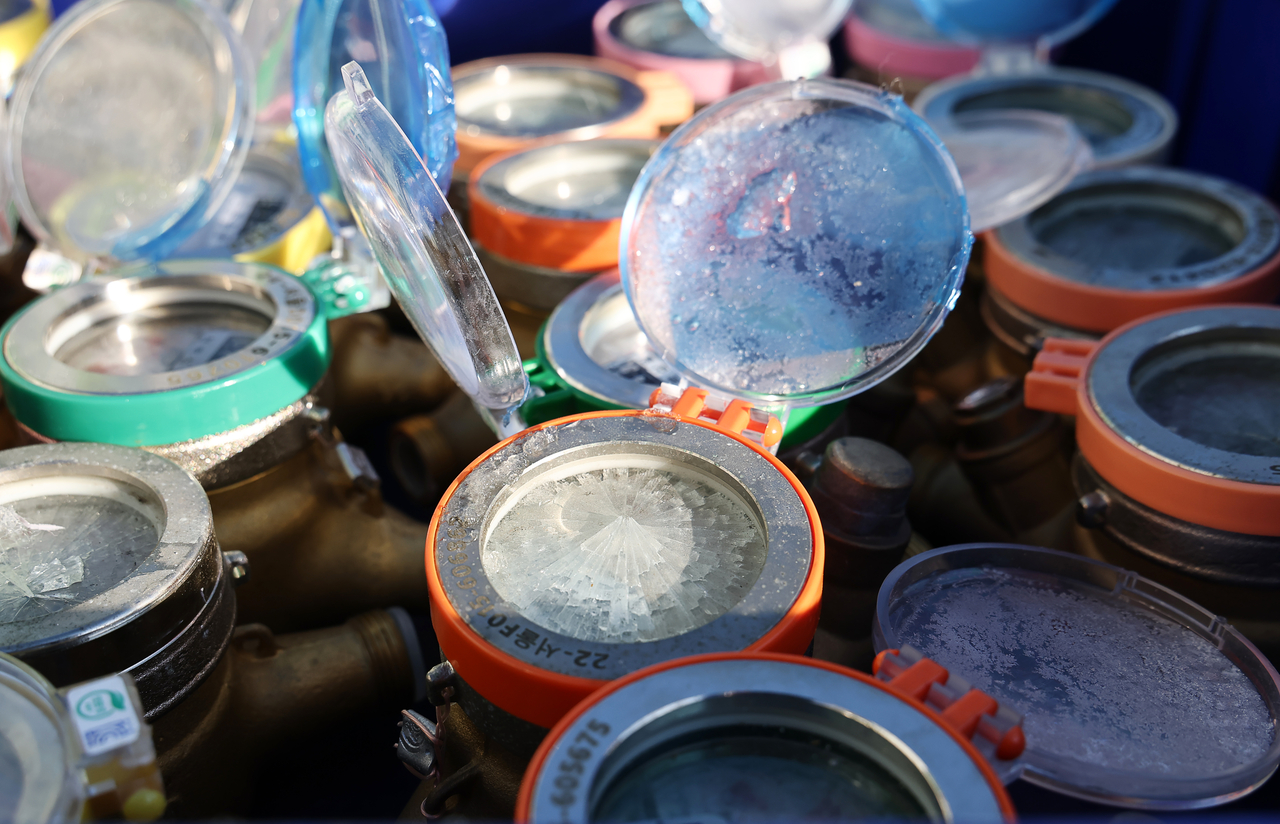
The minus-12-degree threshold came from pipe-freeze data
The minus-12-degree threshold for cold wave advisories was first applied on Dec. 1, 2010.
In a Nov. 30, 2010, press release titled "KMA Improves Cold Wave Advisory Criteria," the agency said that under the previous standard, a cold wave advisory was issued only when the morning low dropped 10 degrees from the prior day's reading, and a cold wave warning only when it dropped 15 degrees.
The KMA said the old criteria had a shortcoming: "When cold weather persisted for several days, there were cases where the advisory threshold was not met, making the advisory system insufficient for preventing cold-related damage."
As the basis for choosing minus 12 degrees, the agency said: "Minus 12 degrees corresponds to the lowest 5 percent of daily minimum temperatures recorded across South Korea over the past 10 years, and analysis showed that when temperatures remain at or below minus 12 degrees for a sustained period, pipe freeze incidents increase sharply."
The current standard also added a "3 degrees or below" condition that was absent from the 2010 revision. Even if the morning low drops 10 degrees or more from the previous day's reading, a cold wave advisory is only issued if the morning low also falls to 3 degrees or below.
The minus-12-degree and minus-15-degree thresholds have remained unchanged for 16 years since 2010.
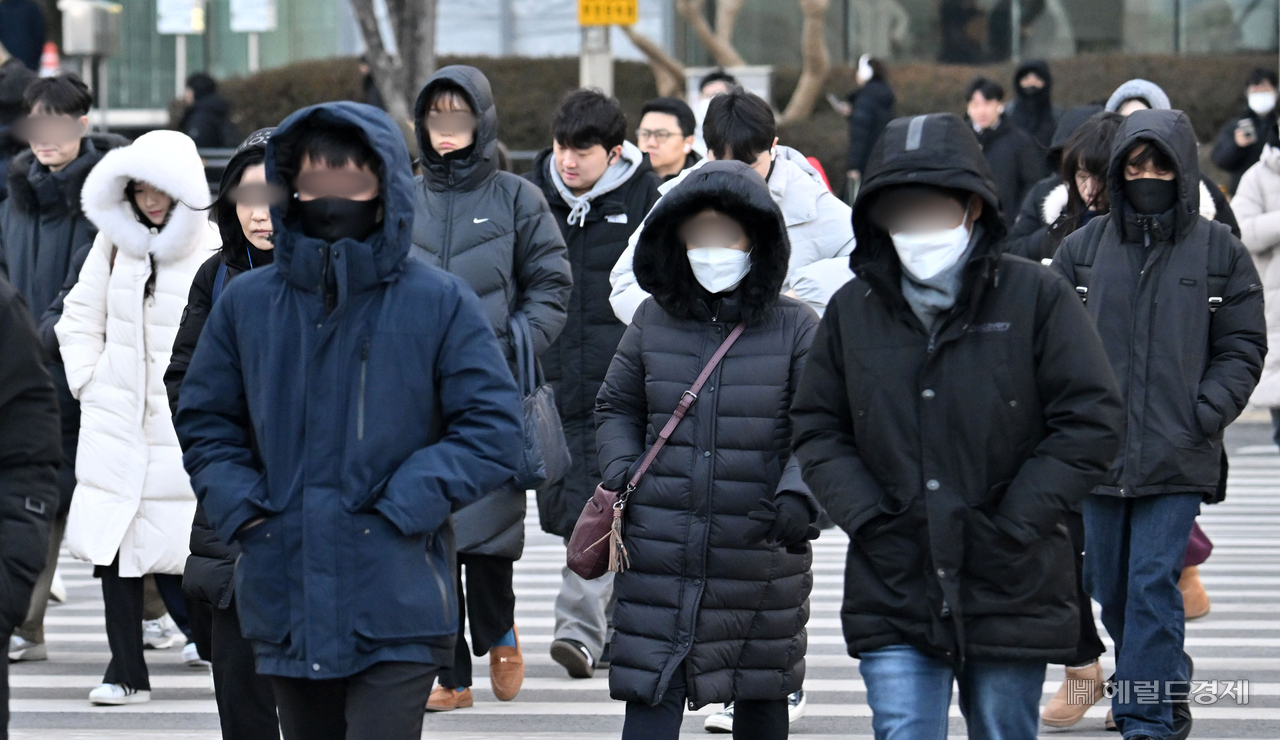
Cold-related health damage is on the rise. According to results from the Korea Disease Control and Prevention Agency's 2025-2026 season cold-illness emergency room surveillance system, released March 11, 2026, there were 364 cold-illness patients from Dec. 1, 2025, through Feb. 28, 2026 — 1.09 times the 334 recorded the previous year. Estimated deaths stood at 14, or 1.75 times the eight recorded the year before.
Of those cold-illness patients, 79.7 percent suffered from hypothermia, 57.4 percent were aged 65 or older, and 75.0 percent of cases occurred outdoors.
International research also suggests that most cold-related deaths occur on moderately cold days rather than during extreme cold snaps.
A research team led by Antonio Gasparrini, a professor at the London School of Hygiene and Tropical Medicine, analyzed mortality data from 384 locations across 13 countries, including South Korea, in a paper published in the medical journal The Lancet in 2015.
The team found that 7.29 percent of all deaths were linked to cold, while deaths associated with extreme temperatures accounted for less than 1 percent.
The KMA's impact forecast team said at a 2021 Korean Meteorological Society academic conference: "If a cold wave risk level of 'warning' or above is issued, there is a high likelihood that cold-illness patients will appear the following day," adding that "this shows cold wave impact forecasts are effective in reducing cold-related damage."
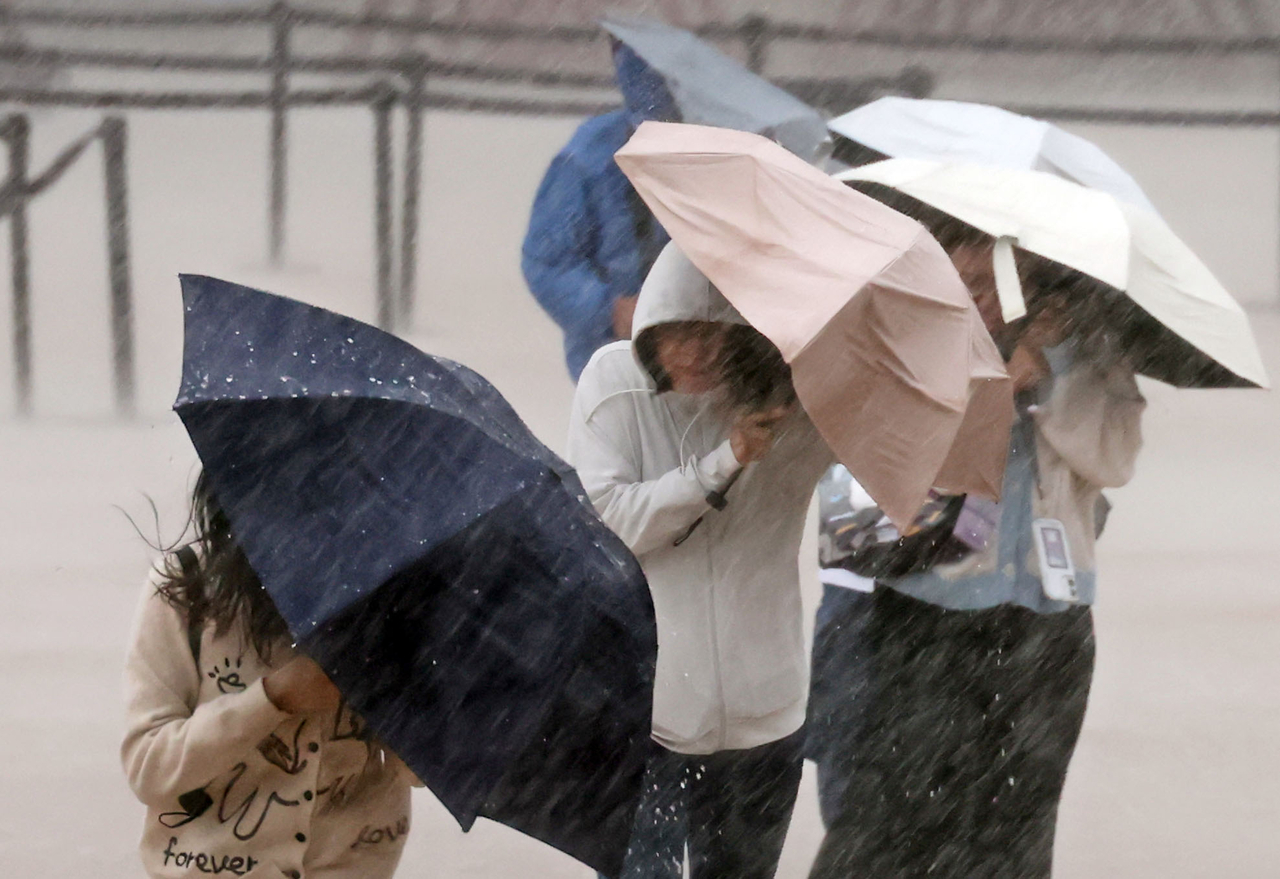
US factors in wind; Japan sets thresholds by region
The US National Weather Service issues cold weather alerts based on wind-chill apparent temperature. Starting Oct. 1, 2024, the NWS renamed its "Wind Chill Advisory" and "Wind Chill Warning" to "Cold Weather Advisory" and "Extreme Cold Warning," respectively.
At the time, the NWS said the change was intended "to make clear that cold can be dangerous whether or not there is wind."
Japan's meteorological agency also uses actual air temperature as its standard, but the threshold for its cold-related advisory — the low-temperature advisory — is set separately for each region.
According to the Japan Meteorological Agency's advisory criteria, the winter low-temperature advisory threshold for Chiyoda Ward in Tokyo is a minimum temperature at or below minus 7 degrees Celsius. In the mountainous Tama western area of the same Tokyo Metropolis, the threshold is minus 9 degrees or below.
The UK Health Security Agency has operated a Weather-Health Alert system jointly with the Met Office since June 2023.
Moving away from a single fixed temperature trigger, the system determines alert levels by weighing the temperature threshold alongside the duration of the cold, the number of affected regions, and the likelihood of conditions worsening.
South Korea's KMA also calculates apparent temperature in winter and publishes it as lifestyle weather information.
The cold wave advisory's minus-12-degree threshold is an actual air temperature standard set in 2010 based on an analysis of water pipe freeze incidents — and the same figure applies uniformly to Seoul, Jeju and the mountainous areas of Gangwon Province.
dbsdn1110@heraldcorp.com