From cafe startup to B2B manufacturer
Korea SMEs and Startups Agency's youth entrepreneurship program a springboard for global push
Taiwan exports this year; investment deal in the works
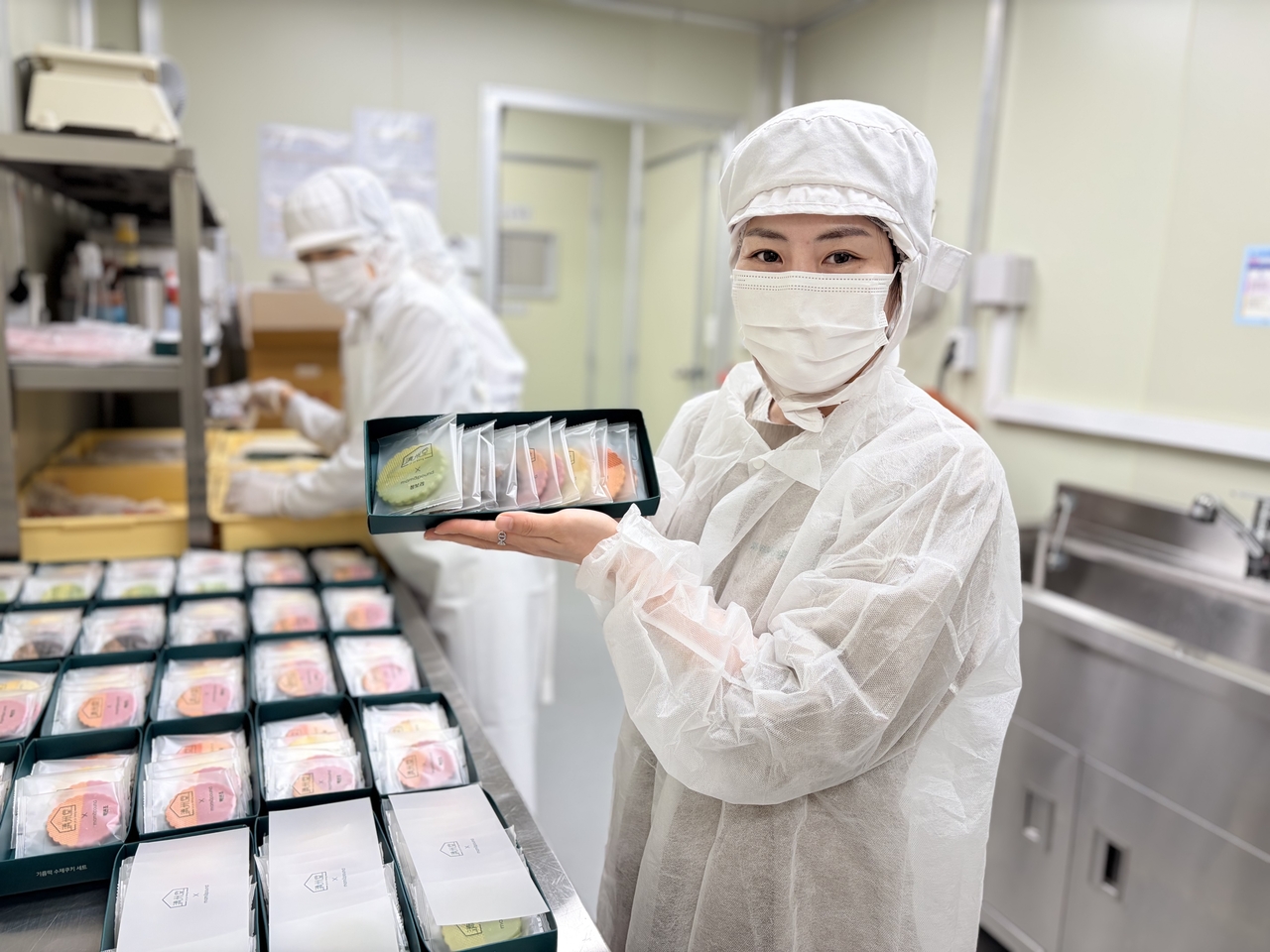
"We started in Jeju, but we don't want to stay in Jeju," said Lee Han-sol, chief executive of Mamagrove. "Our goal is to build a global brand — one whose products you can find in cafes anywhere in the world."
A Jeju native and mother of three, Lee is the driving force behind a local startup that dreams of becoming a global dessert company on the scale of Godiva. She began baking at home to cope with postpartum depression, gradually turned the hobby into a business, and has since broken into the domestic cafe market with desserts made from Jeju specialty ingredients — and is now looking beyond Korea's borders.
"We started with desserts made from Jeju's raw ingredients, but I don't want to stay a local company," Lee said in a recent interview in Jeju. "I want to use Jeju as a launchpad and grow into a dessert and baking-ingredient brand recognized around the world."
From home kitchen to Jeju startup
Mamagrove began in a small home kitchen. After giving birth to three children, Lee looked for work she could do alongside child-rearing and turned to home baking. What started as a hobby — making bread and cookies for her kids — eventually became a business.
In 2021, at the height of the COVID-19 pandemic, she opened a dessert cafe in Jeju spanning about 69 square meters. The initial lineup was just four varieties of pound cake. With child care to juggle alongside work, she set herself a limit of 100 items a day.
The response exceeded her expectations. Products sold out quickly, word of mouth spread, and large cafes in the Jeju area began reaching out to ask about wholesale supply.
In her third year of business, Lee made a bold call: instead of opening a second cafe, she closed the existing store and set up a manufacturing facility certified under the Hazard Analysis and Critical Control Points food-safety standard. She pivoted the company toward supplying desserts developed in Jeju to cafes nationwide.
"Running a cafe showed me how much time and money other cafe owners spend on making desserts," Lee said. "I saw a business opportunity in giving them a reliable supply of high-quality desserts they didn't have to make themselves."
Mamagrove now manufactures pound cakes, Dubai Chewy Cookies and Basque cheesecakes for cafes across the country. About 600 businesses have registered on its website, of which roughly 200 place orders on a regular basis.
The company's competitive edge lies in Jeju's raw ingredients. Mamagrove develops desserts that highlight the island's character using Jeju tangerines, green barley from Gapado, dragon fruit cactus and buckwheat. The business model centers on turning local produce into differentiated products and supplying them to cafes nationwide.
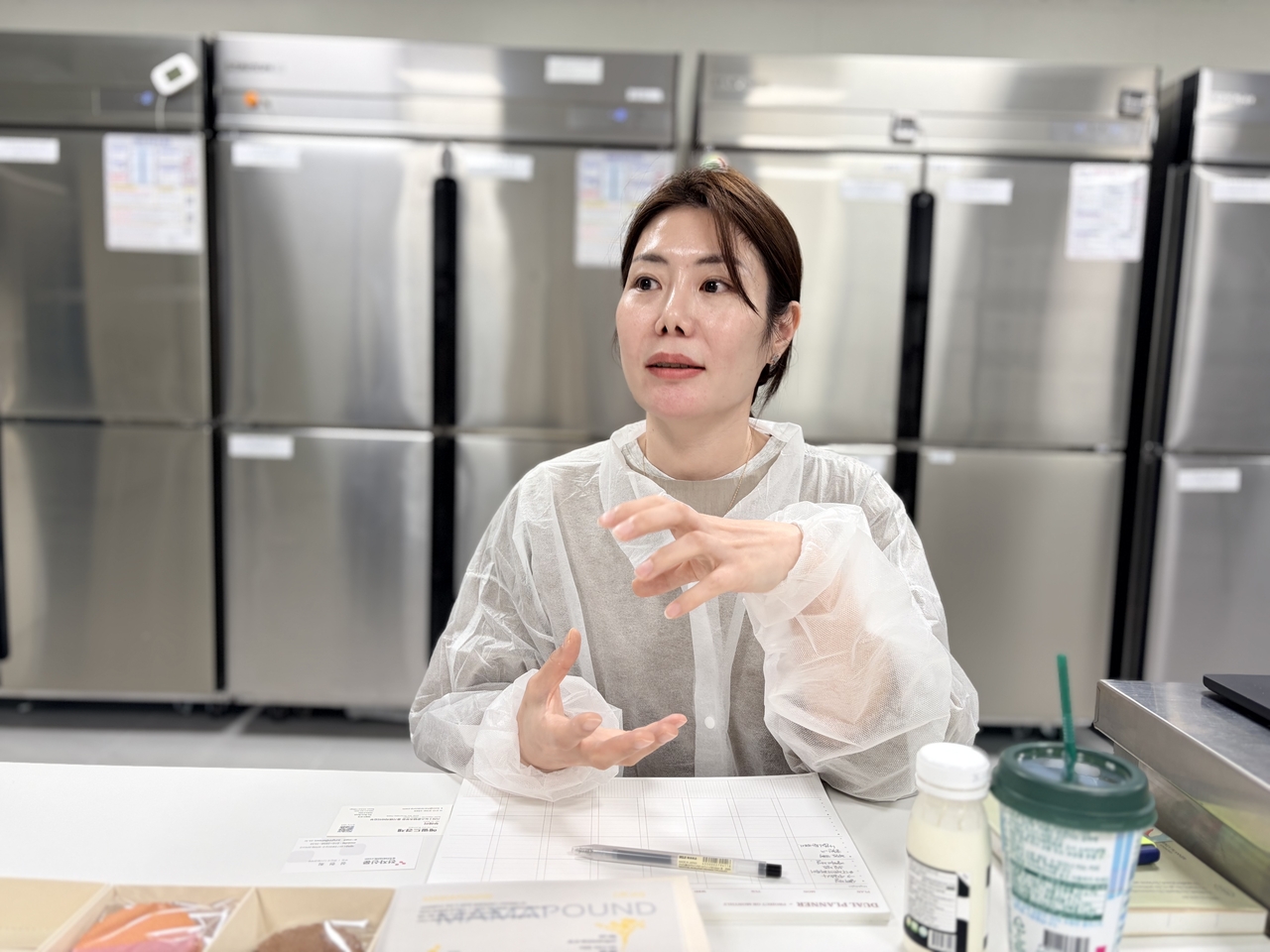
Beyond local: Tangerine sourdough starter and a push into overseas markets
Lee's ambition is to grow Mamagrove from a Jeju local brand into a global baking company. The overseas push has already begun. In September, Mamagrove signed three MOUs with buyers in Taiwan, and Lee said the company has recently started selling products through a live-commerce channel there.
"Taiwanese consumers are showing interest in Jeju desserts," she said. "We think they have strong potential as gift items, so we're expanding our overseas sales channels."
The next growth driver is baking ingredients. Mamagrove is currently conducting research and development to produce a natural sourdough starter made from Jeju tangerines in powdered form.
Cultivating and maintaining a natural starter for sourdough bread typically takes considerable time and effort. Mamagrove plans to convert the process into a powder that cafes and bakeries can use more conveniently.
"Growing a natural starter from scratch can take more than two weeks," Lee said. "We've developed a powdered starter using tangerines and are currently testing whether the fermentation function holds up over extended storage."
Once the product's stability is verified, the company plans to supply it to bakeries at home and abroad. The goal is to move beyond exporting finished desserts made from Jeju produce and become a company that supplies baking ingredients to markets worldwide.
To that end, Lee enrolled this year in the Jeju chapter of the Korea SMEs and Startups Agency's youth entrepreneurship program, aiming to formalize the baking-ingredient research and development work as a step beyond the company's existing dessert manufacturing and supply business.
"Running a business in Jeju, you sometimes feel the limits of growth," she said. "Connecting with entrepreneurs from other regions through the program has broadened the way I look at the business."
Lee is also pursuing investment. She said initial investment talks have recently concluded and a contract signing is imminent. She plans to apply for the government-linked private investment programs LIPS and TIPS down the road.
Mamagrove's trajectory — from developing products rooted in local produce to building manufacturing and retail capabilities and expanding into global markets — illustrates the growth potential of locally grounded startups. "I want to show that a company that started in Jeju can become a world-class brand," Lee said.
boo@heraldcorp.com