Vance distances himself from Iran war fallout; White House, State Dept. call resignation reports 'fake news'
Rubio dodges questions on 2028 presidential run as GOP weighs post-midterm calculus
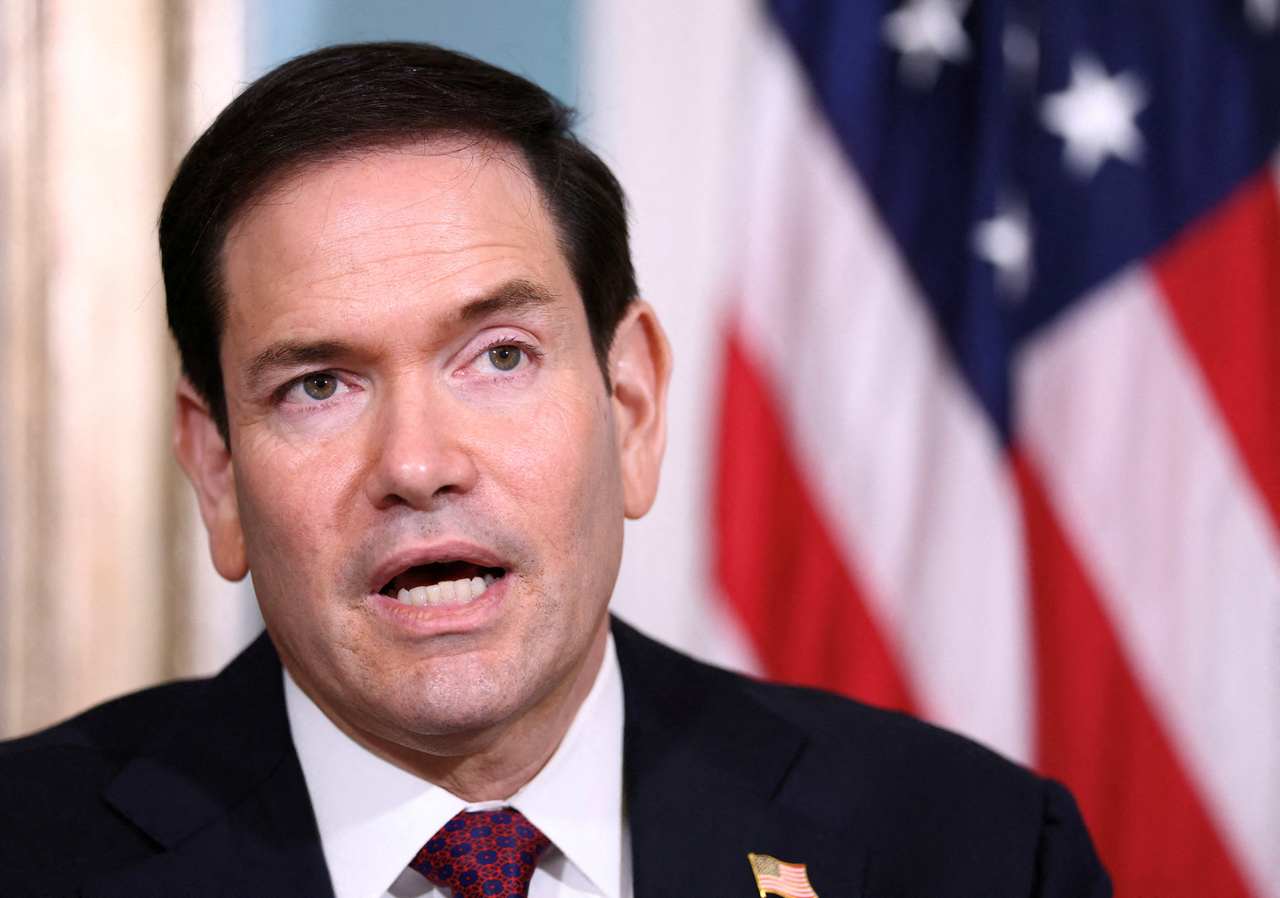
Secretary of State Marco Rubio moved to quash mounting speculation about his resignation after the Republican Party's sweeping defeat in the US midterm elections. With the 2028 presidential race already casting a long shadow, observers are watching closely whether senior Trump administration officials may begin heading for the exits.
In an interview with The New York Times published Thursday (local time), Rubio said it had "always been my plan" to remain in the administration through the end of President Donald Trump's term, shrugging off the resignation rumors.
Rubio, who holds the dual roles of secretary of state and White House national security adviser, said he had no idea where the resignation talk originated. "Every time I hear I'm quitting, I laugh," he said. "I ask, 'Which job are you talking about?'"
He was less forthcoming, however, on the question of a future presidential bid, saying he would "not be talking about 2028 anymore" and declining to elaborate.
Earlier Thursday, Britain's The Independent cited a Rubio confidant as saying it would be "entirely reasonable" for him to resign and leave the administration. The source claimed Rubio was the clear front-runner for the Republican presidential nomination, saying he was "obviously ahead of Vice President Vance" and that remaining tied to the administration would only hurt his prospects. "You can't run while serving as secretary of state, and being associated with this administration only damages the path," the source said.
Bloomberg also cited sources Friday saying Rubio was weighing whether to leave the administration.
Bloomberg further reported that Rubio had discussed the possibility of resigning with White House officials, who urged him to stay.
Both the White House and the State Department denied the reports, calling them "fake news based on anonymous sources."
Tuesday's midterm elections ended in a crushing defeat for Republicans, prompting leading GOP contenders to begin calculating their political interests ahead of the 2028 presidential race.
Vice President JD Vance moved to distance himself from Trump the day after the defeat, publicly attributing the losses to the Iran war. Rubio's repeated appearance in resignation speculation is seen in the same light — he had already kept a low profile during the midterm campaign.
Bloomberg noted that cabinet members and senior aides departing a lame-duck administration in its second half is not unusual, particularly after a heavy electoral defeat like this one. If Rubio steps down before January, Trump could nominate a successor before Democrats take control of the Senate.
Some observers suggested Rubio could forgo a 2028 run altogether and return to the private sector to position himself for a later bid. During the 2016 presidential race, he mentioned wanting to become NFL commissioner — a post whose current occupant is contracted through 2031.
Rubio's confidants told Bloomberg that he may not enter the Republican primary if Vance runs. Rubio has said on multiple occasions that he would be among the first to back Vance if the vice president launched a campaign.
Rubio had gone to considerable lengths to stay out of the midterm elections. He traveled abroad during the Republican National Convention in September, and when Trump called him onstage at a campaign rally, Rubio offered only a brief greeting before stepping down.
While Rubio cited the convention that secretaries of state do not involve themselves in domestic politics, analysts interpreted his behavior as a preemptive effort to insulate himself from the political damage the Iran war could inflict on the Trump administration ahead of 2028.
With the midterms over, both parties have effectively entered presidential campaign mode. Contenders from both sides are expected to begin announcing their candidacies early next year, with intraparty primary debates and a full-scale primary race set to begin by summer.
The Republican midterm rout is expected to weaken the influence of Trump's core "MAGA" base, and Rubio — who has always been closer to the party's traditional conservative wing — is widely expected to be recalibrating his positioning and weighing his next move.
In the NYT interview, however, Rubio defended Trump. On the president's remarks at a Kansas campaign rally Sunday — in which Trump cited the Iran war as an electoral factor — Rubio said high gas prices at the pump were "not something to brag about on the campaign trail," but added: "Doing what's necessary even when it's unpopular is the price of leadership."
Vance, Rubio's chief rival, published a lengthy statement the day after the defeat blaming the Iran war for the losses, putting distance between himself and Trump. When asked whether he agreed with Vance's assessment, Rubio sidestepped the question, saying he "does not get involved in domestic politics."
The Wall Street Journal's editorial board wrote that Vance had jumped ship at a critical moment, undermining his superior and positioning himself for a presidential run.
Beyond the two top contenders, there is growing speculation that a string of lower-profile Trump loyalists holding key administration posts could also resign in the coming weeks.
Harmeet Dhillon, the assistant attorney general who led the Justice Department's Civil Rights Division, stepped down Friday — becoming the first senior Trump administration official to resign in the two days since the midterm elections.
Dhillon had dramatically scaled back the Civil Rights Division's traditional role in advancing anti-discrimination and civil rights protections, overhauling the office around conservative policy priorities. During the midterms, the division mounted what was described as the largest election-monitoring operation in history.
Dhillon is expected to find it difficult to avoid scrutiny from the various investigations Democrats plan to launch against the Trump administration beginning next year.
mokiya@heraldcorp.com