Korea-Shandong economic cooperation forum and K-consumer goods export consultation held; 25 MOUs signed between Korean and Chinese institutions and companies
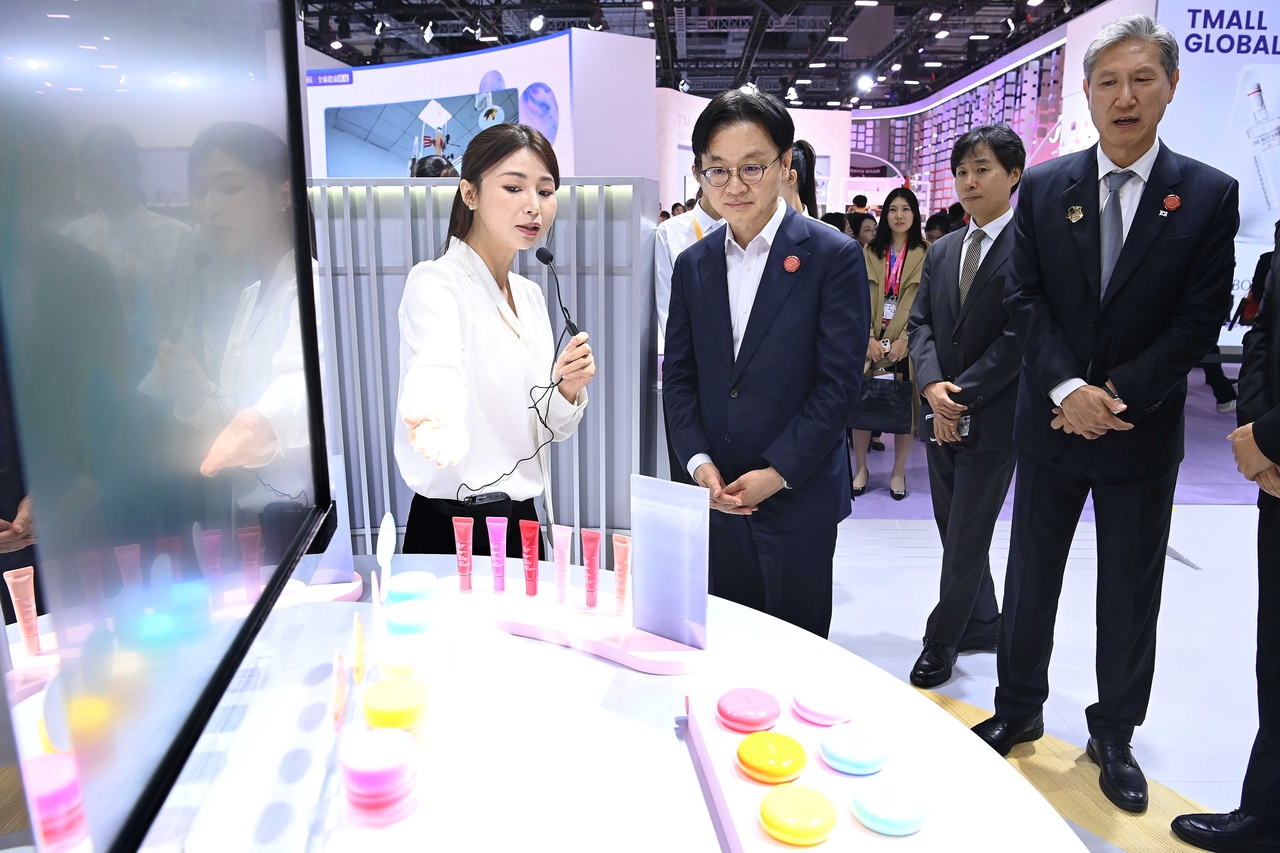
South Korea's Ministry of Trade, Industry and Energy is stepping up efforts to expand market access and industrial cooperation in China's Shandong Province, where roughly 30 percent of all Korean companies operating in China are based.
The ministry said Minister Kim Jung-kwan attended the 9th Korea-China (Shandong) Economic and Trade Cooperation Forum on Friday in Yantai, Shandong Province, co-hosted with the Shandong provincial government.
Shandong ranks third among China's 31 provinces and municipalities by gross regional domestic product and second by population. Trade with South Korea reached $38.9 billion last year. A cumulative total of 8,763 Korean companies have established a presence there, making it the province with the highest concentration of Korean businesses in China — accounting for about 30 percent of all Korean firms operating in the country.
About 300 government officials and business representatives from both countries attended the forum to discuss cooperation in consumer goods, biotech and green industries.
On the sidelines, institutions and associations from the two countries signed three MOUs covering certification and cooperation on global market entry. KOTRA also signed a separate cooperation MOU with local anchor company Atomy to support South Korean small and medium-sized cosmetics firms seeking to enter the Chinese market.
A K-consumer goods export consultation session was held alongside the forum to help Korean companies generate tangible business results. The 28 South Korean consumer goods companies that took part held more than 200 export consultations with Chinese distributors and regional buyers, resulting in three export agreements — including deals for dried seaweed snacks and microbiome health supplements. An additional 18 cooperation MOUs were concluded between Korean and Chinese companies and institutions.
"Korea and Shandong must build on the foundation of cooperation we have accumulated and further expand collaboration in consumer goods and emerging industries," Kim said. "We will actively support exchanges between companies on both sides so they translate into tangible trade and investment outcomes."
The ministry has signed MOUs with three Chinese provinces that maintain strong trade and investment ties with South Korea — Guangdong, Shandong and Jiangsu — and alternates hosting ministerial-level forums with each.
oskymoon@heraldcorp.com