Dow climbs 1,569 points for biggest gain in 19 months
Oil tumbles more than 8% on hopes for early end to Iran war
Big Tech rallies while data center and chip stocks slide
Trump-linked shares, defense stocks fall; Treasury yields drop
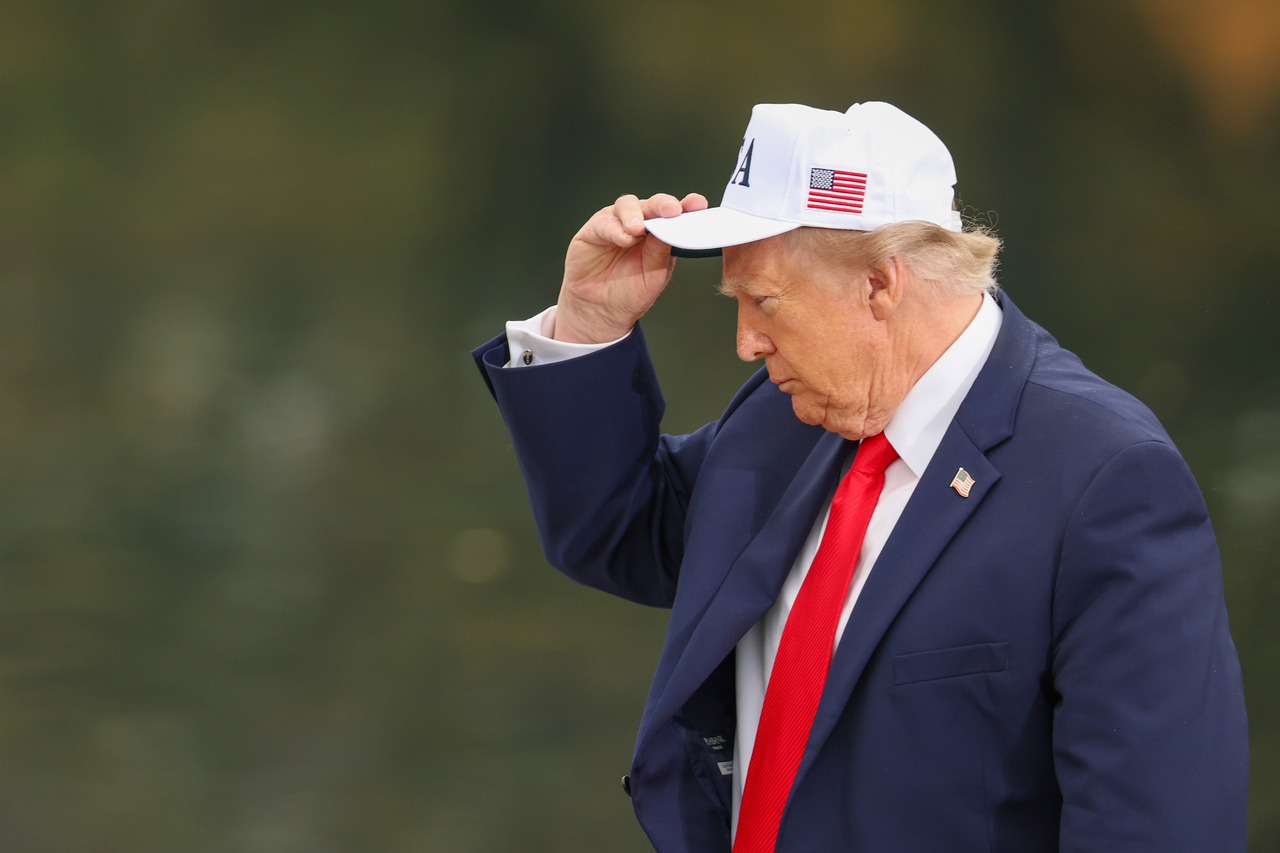
Wall Street surged after the Democratic Party swept both chambers of Congress in US midterm elections, realizing a so-called "blue wave" scenario. The result eased policy uncertainty by strengthening congressional checks on the Donald Trump administration, while hopes for an early end to the Iran war spread across markets. Semiconductor and data center stocks, however, bucked the broader rally on concerns that a Democratic-controlled Congress could tighten regulation in those sectors.
The Dow Jones Industrial Average closed up 1,569.40 points, or 3.03 percent, at 53,356.12 on Wednesday (local time) at the New York Stock Exchange. The gain was the largest for the Dow in roughly 19 months, since April 9, 2025, and pushed the index back above the 53,000 level for the first time in about two months since Sept. 8.
The S&P 500 rose 119.70 points, or 1.58 percent, to close at 7,688.62, while the NASDAQ Composite gained 364.50 points, or 1.44 percent, to finish at 25,736.51.
Investor sentiment was buoyed by expectations that reduced political uncertainty and stronger congressional oversight would limit the likelihood of abrupt policy shifts.
Trump's announcement that he accepted the election results and would work with the Democratic Party also helped calm some of the market's anxiety.
"As the election results became clear, uncertainty diminished and stocks rose sharply," said Terry Sandven, chief equity strategist at US Bank Wealth Management. "This election could put some brakes on economic policy initiatives, and that often works positively for stocks."
A sharp drop in oil prices — with international crude tumbling more than 8 percent on hopes for an early end to the Iran war — also underpinned the broader market advance. West Texas Intermediate crude for December delivery fell 8.29 percent to $88.12 a barrel, while Brent crude for January delivery dropped 8.67 percent to $94.62 a barrel.
With Democrats taking control of both chambers, expectations spread that congressional oversight would constrain the Trump administration's prosecution of the war and that the conflict could end sooner than anticipated.
US Treasury yields also fell. The 10-year yield, which stood at 4.95 percent the previous day, dropped as low as 4.88 percent at one point. Analysts attributed the decline to expectations that lower oil prices would ease inflationary pressure and that Democratic control of Congress could restrain fiscal spending expansion.
Large-cap technology companies with substantial cash reserves rose on hopes that a slower pace of AI infrastructure investment would reduce their capital expenditure burden. Microsoft gained 6.7 percent, Amazon 6.1 percent, Google parent Alphabet 3.2 percent and Meta 1.4 percent. Healthcare, retail and renewable energy stocks also advanced on expectations of policy changes under a Democratic Congress.
Semiconductor and data center stocks, however, could not escape the selling pressure. Democratic victories in Texas, Georgia and other states with heavy concentrations of data centers fueled expectations of tighter regulation on future data center construction and AI infrastructure expansion.
Data center operators Hut 8 (-23.2 percent), IREN (-11.2 percent), Core Scientific (-10.4 percent) and Applied Digital (-6.7 percent) all tumbled. Nvidia fell 3.1 percent, and the Philadelphia Semiconductor Index also dropped 3.1 percent to its lowest level in six months.
"If the pace of data center construction slows, the business outlook for a significant number of related suppliers starts to change fundamentally," said Scott Chronert, head of US equity strategy at Citi Research.
Companies with close ties to Trump also fell. Trump Media and Technology Group, the social media company Trump founded, plunged 24.5 percent. Tesla, led by Trump supporter Elon Musk, dropped 3.3 percent, while SpaceX fell 3.8 percent.
Defense stocks declined as well, weighed down by hopes for an end to the Iran war and the prospect of congressional resistance to expanding the defense budget. Lockheed Martin fell 6.9 percent and Northrop Grumman dropped 4.5 percent.

th5@heraldcorp.com