"I'm dreading Monday," one investor in Samsung Electronics and SK hynix said.
Semiconductor stocks suffered a massive selloff Friday (local time), with Intel shares plunging 28.58% — the chipmaker's worst single-day drop in more than 50 years, dating back to the 1970s.
The Philadelphia Semiconductor Index fell 7.20%, its steepest one-day decline since June 23. Other major chipmakers tumbled in tandem: Nvidia dropped 4.22%, AMD fell 10.88%, and SK hynix's American depositary receipts slid 7.95%.
Investors are now anxiously watching whether the carnage will spill over to Samsung Electronics and SK hynix when Korean markets open Monday. In after-hours trading Friday, Samsung Electronics shares fell about 5% to 220,500 won, while SK hynix plunged 8.85% to close at 1.39 million won.
Fear is spreading that Samsung Electronics and SK hynix could face sharp declines when trading resumes.
Concerns over AI infrastructure investment resurfaced after a string of disappointing earnings outlooks from Alphabet — Google's parent company — followed by Amazon and Intel. The wave of selling, concentrated in technology stocks, pushed the NASDAQ Composite down 2.86%.
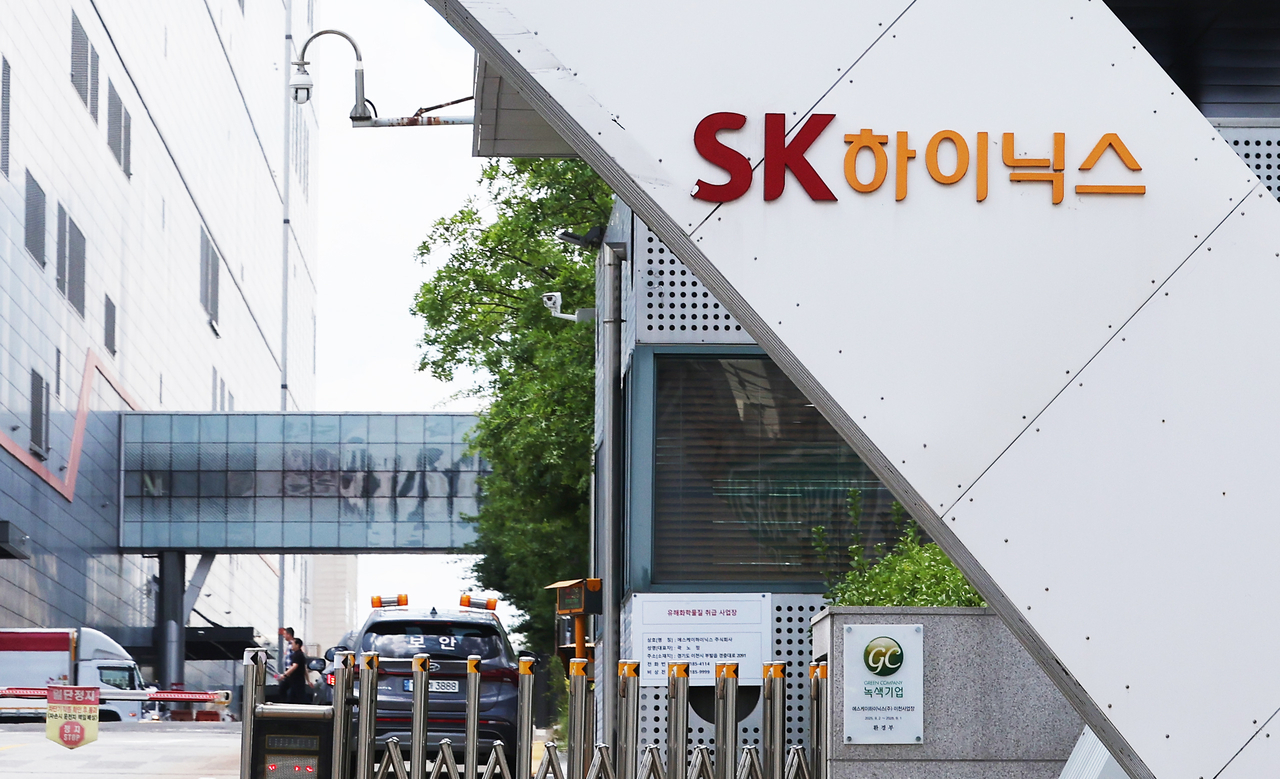
The immediate concern is the domestic market on Monday. Despite record earnings announcements, shares of both Samsung Electronics and SK hynix have been falling day after day.
Samsung Electronics unveiled record earnings alongside a shareholder return plan worth up to 110 trillion won ($82.4 billion), yet the market reaction has been cold. Skepticism is growing over whether improved earnings will translate into share price gains, given that specific details of the shareholder return plan have been delayed and that the Korean market's structure leaves it heavily dependent on foreign investor flows.
IBK Securities cut its target price for Samsung Electronics from 460,000 won to 350,000 won. "Considering current profitability and market conditions, a fair share price would be 460,000 won," said Kim Un-ho, an analyst at IBK Securities. "However, given that the shareholder return policy has fallen short of market expectations and that the stock's appeal is likely to diminish relative to competitors, we see limited room for a price increase."
SK hynix also beat market forecasts with its third-quarter earnings and announced a shareholder return program worth around 100 trillion won, yet brokerages have been cutting their target prices one after another, citing the wide gap between those targets and the current share price. KB Securities lowered its target for SK hynix from 4.2 million won to 3.5 million won, while IBK Securities trimmed its target from 4 million won to 3.2 million won.
"The problem is not Samsung Electronics or SK hynix — it's that the Korean market has become one driven more by foreign investor flows and global macro variables than by corporate fundamentals," one investor said. "No matter how strong the earnings, if Kospi is just a playground for foreign investors where it never gets properly valued, what hope is there for retail investors?"
park@heraldcorp.com