Group exploited over-the-counter cold medicine as meth precursor
Made 1.36 kg of methamphetamine in empty Pyeongtaek apartment
Herb pharmacist, pharmacy staff among those who supplied ingredients
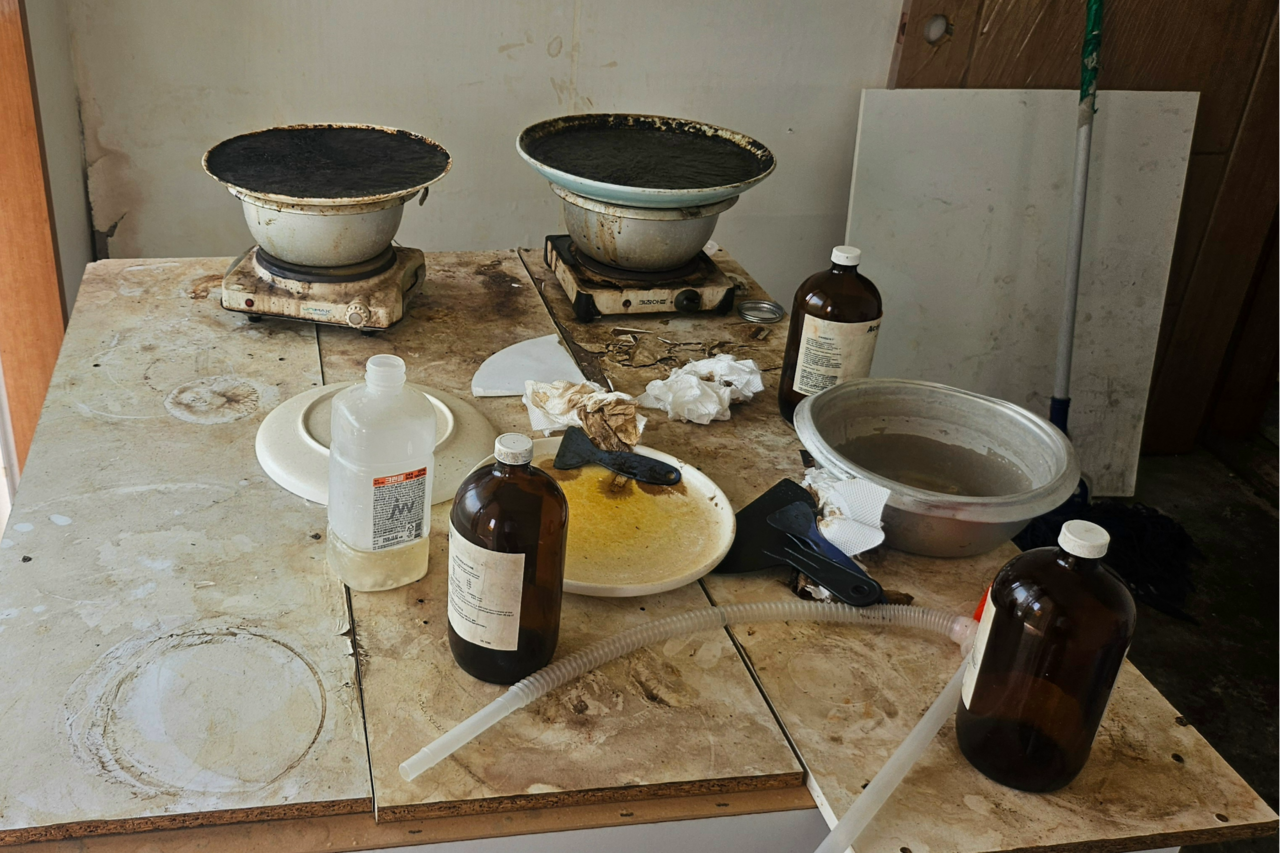
Police have arrested a group that secretly manufactured methamphetamine inside a vacant apartment in Pyeongtaek, Gyeonggi Province, recruiting drug "technicians" they had met while serving prison sentences. The raw material for the homemade drug was ordinary cold medicine sold at pharmacies.
The Seoul Metropolitan Police Agency's Metropolitan Investigation Unit narcotics team said Tuesday it had arrested 13 people, including the ringleader — a person in their 60s identified only as A — on charges including violations of the Act on the Control of Narcotics, and had forwarded four of them to prosecutors in detention.
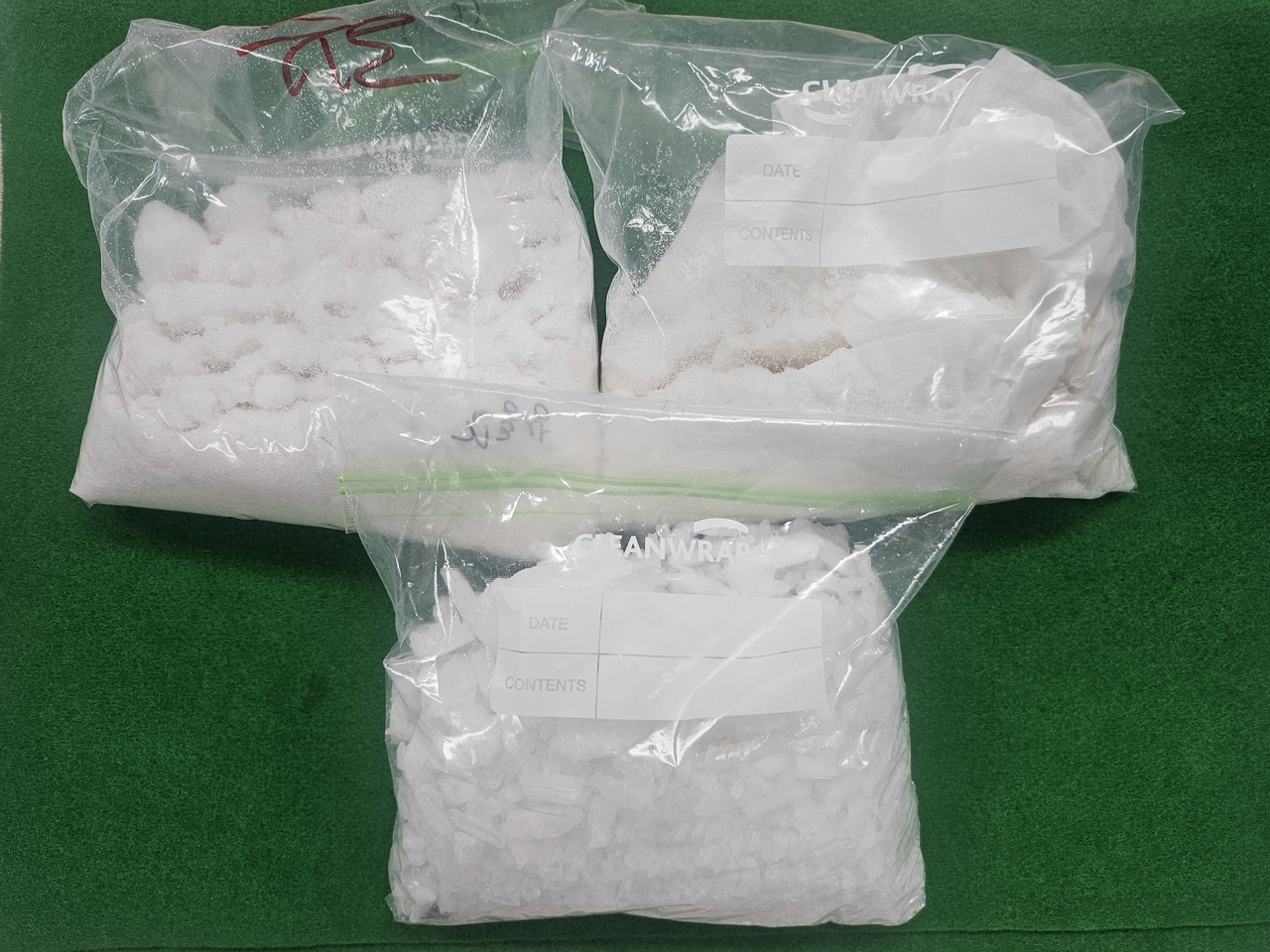
The 1.36 kilograms of methamphetamine seized during the arrests is valued at 4.2 billion won ($3.13 million) and is enough to supply about 40,000 people simultaneously — the largest quantity ever seized in a domestic methamphetamine manufacturing case involving cold medicine.
According to police, A and four others are suspected of setting up methamphetamine manufacturing equipment in an apartment in Pyeongtaek and, from April last year through June this year, extracting pseudoephedrine — a precursor chemical used in drug production — from cold medicine to manufacture 1.36 kg of methamphetamine.
At the scene, police also seized 635 grams of pseudoephedrine along with various tools, gas masks, and hazardous chemicals including sulfuric acid and hydrochloric acid.
A had planned the operation by reassembling after their release technicians met during incarceration, assigning each a role in procuring the pharmaceuticals and industrial chemicals needed for production. The group chose as its base an apartment in Pyeongtaek that had sat vacant for an extended period due to a lien dispute between a contractor and a developer.
The group researched methamphetamine manufacturing methods by consulting publicly available science experiment videos online and foreign academic papers. After repeated failed trial runs during the first six months of the operation, they replaced their original technician with another who had prior experience making methamphetamine.
Once production succeeded in October last year, the gang began manufacturing in earnest and continued for about eight months. Ringleader A worked as the apartment's caretaker, using the building's closed-circuit television cameras and parking barriers to monitor access by outsiders. The group also secured a separate warehouse to store industrial chemicals needed for large-scale production.
To obtain cold medicine in bulk, the group traveled to pharmacies across the country — including in Seoul, Busan and Daegu — using pretexts such as claiming they needed the medicine for volunteer work.
A herb pharmacist and pharmacy staff were also implicated. A pharmacist in their 30s identified only as B was arrested on suspicion of aiding the manufacturing operation by selling 10,610 bottles of cold medicine on six occasions between January and June this year, despite knowing A was producing methamphetamine.
B also faces charges of conducting the cold medicine transactions in the parking lot of the apartment where B resided, rather than at a pharmacy, in an apparent attempt to avoid detection.
A pharmacy employee who worked with B is suspected of selling cold medicine to A's group without holding a pharmacist's license. Two industrial chemical vendors who sold sulfuric acid, hydrochloric acid and other chemicals used in the methamphetamine production without recording the transactions in their ledgers were also arrested.
Police received a tip in December last year and conducted surveillance and search-and-seizure operations to identify the manufacturing site, then arrested the five production suspects in sequence starting in June. A large quantity of finished methamphetamine was reportedly found among the ringleader's belongings at the time of the arrest.
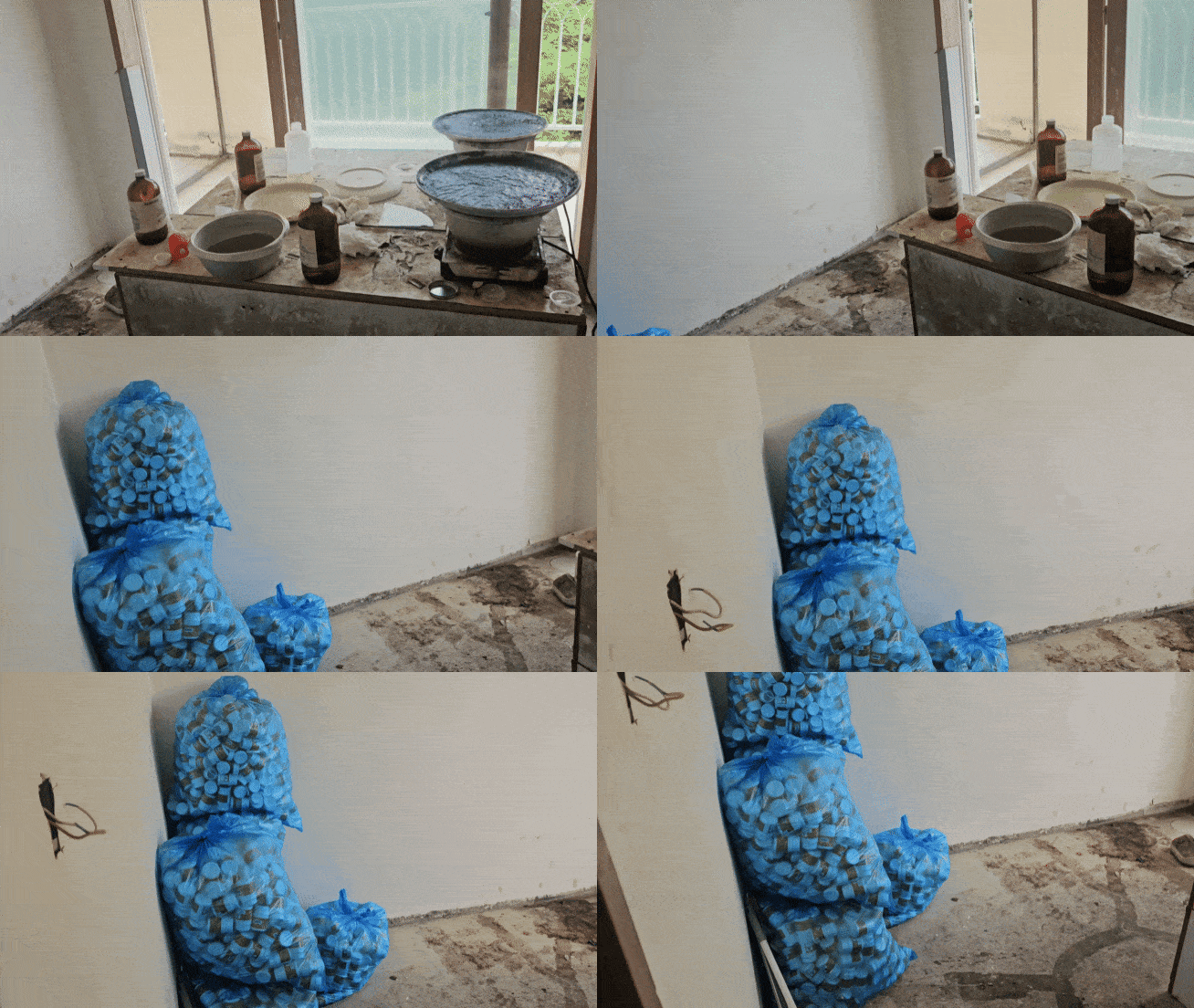
Through digital forensics and other investigative methods, police additionally arrested eight others involved in supplying cold medicine and industrial chemicals.
Police also recovered 130 million won in criminal proceeds linked to the case and referred suspected tax evasion to the National Tax Service after detecting signs that wholesale distributors had bought and sold cold medicine without maintaining transaction records.
"Regulatory improvements are needed, such as reclassifying cold medicines containing pseudoephedrine as prescription-only drugs," a police official said.
kido@heraldcorp.com