- Korea Atomic Energy Research Institute co-hosts 'SMR School' with IAEA
- Domestic technologies including i-SMR and SMART showcased to foreign experts
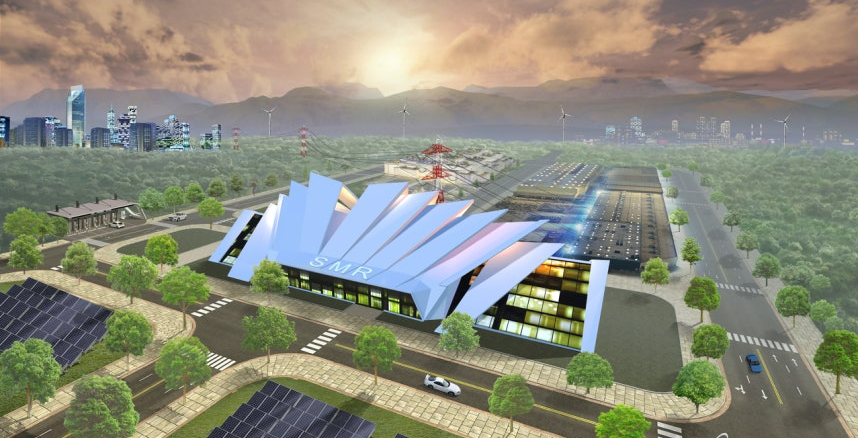
Nuclear energy experts from 14 countries have gathered in Daejeon to explore ways to expand the overseas reach of South Korea's homegrown small modular reactors, in what is expected to lay the groundwork for future SMR exports and broader international cooperation.
The Korea Atomic Energy Research Institute announced it is co-hosting the "IAEA SMR School" with the International Atomic Energy Agency at Lotte City Hotel in Daejeon from Monday through Friday.
The event brings together 31 senior-level experts from governments, nuclear regulatory bodies, research institutions and industry across 14 countries, including South Korea.
SMRs are next-generation reactors with a smaller output capacity than conventional large nuclear power plants, with key components manufactured in modular form. Their relatively flexible construction and operation have drawn attention as an alternative for achieving carbon neutrality and ensuring stable power supply.
The training program covers a range of topics critical to actual SMR deployment — including global SMR development and adoption trends, safety and regulation, licensing, economics, nuclear fuel cycles, radioactive waste management and supply chain development.
A dedicated segment introduces South Korea's domestically developed SMR technologies directly to foreign experts.
Technical presentations and discussions will cover the country's major SMR designs: i-SMR from the Innovative Small Modular Reactor Technology Development Project, BANDI from Korea Power Engineering, and SMART from the Korea Atomic Energy Research Institute.
Participants will discuss technology readiness and commercialization prospects with domestic SMR developers, and examine the technical and regulatory conditions suited to each country's nuclear energy environment.
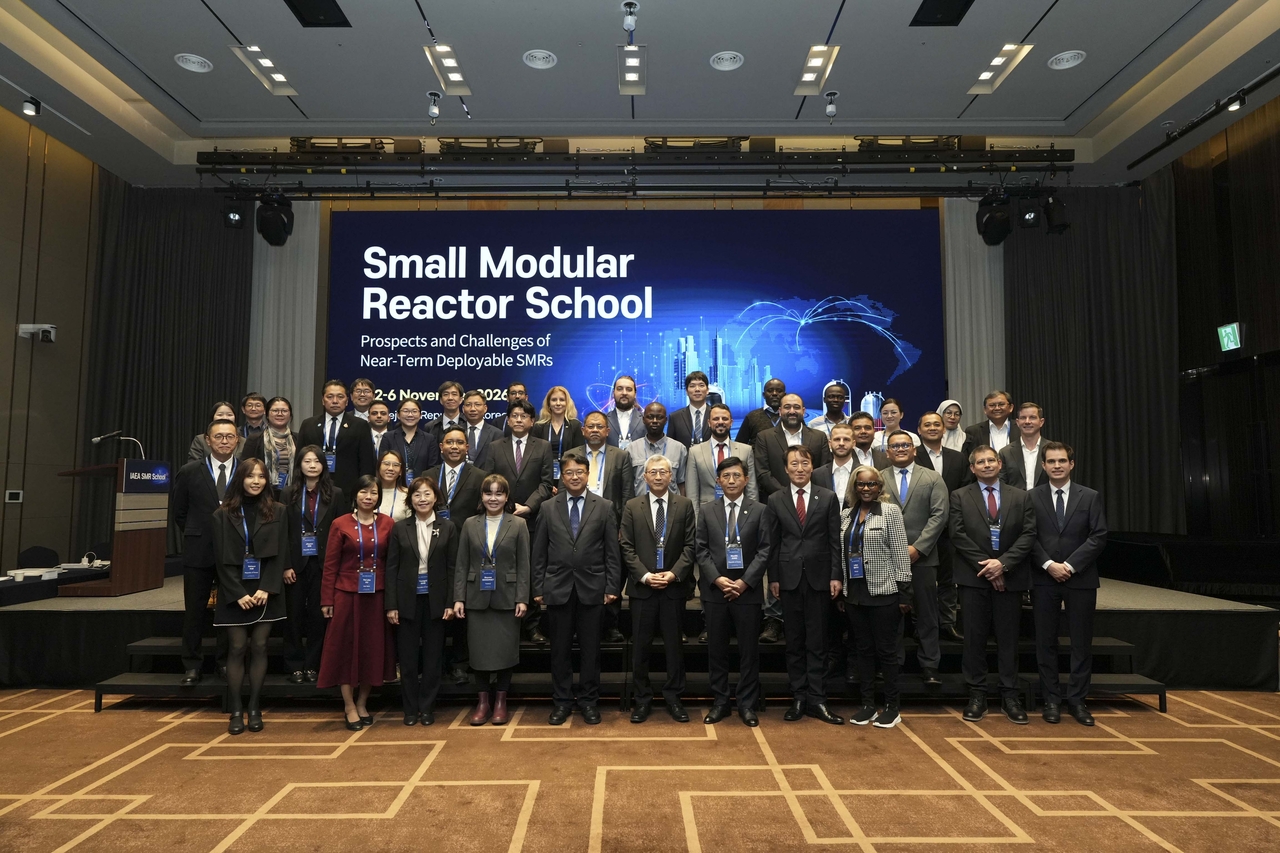
The program also includes on-site visits to South Korea's nuclear research facilities and industrial sites.
Participants will tour the Korea Atomic Energy Research Institute's HANARO research reactor as well as reactor safety verification facilities including ATLAS, SMART-ITL and STELLA. Visits to Doosan Enerbility and Korea Hydro & Nuclear Power are also scheduled.
Through the event, the Korea Atomic Energy Research Institute plans to identify the technical needs and areas of interest among countries considering SMR adoption, and to explore opportunities for follow-up technology exchanges, joint cooperation and potential exports.
The institute also expects the event to showcase not only the technical competitiveness of Korean-designed SMRs, but the broader domestic nuclear industry ecosystem — spanning research and development through design, manufacturing and operation — to foreign experts.
"This IAEA SMR School will be a valuable opportunity for countries preparing to adopt SMRs to assess feasibility and examine practical requirements," Korea Atomic Energy Research Institute President Jeong Woo-sik said. "We will redouble our efforts in technology development and international cooperation to advance Korean-designed SMRs onto the global stage."
nbgkoo@heraldcorp.com