
Gangnam-gu, Seongbuk-gu and Dongjak-gu link delinquent taxpayers to welfare and jobs amid economic hardship; AI-assisted tracking of willful evaders also on the agenda
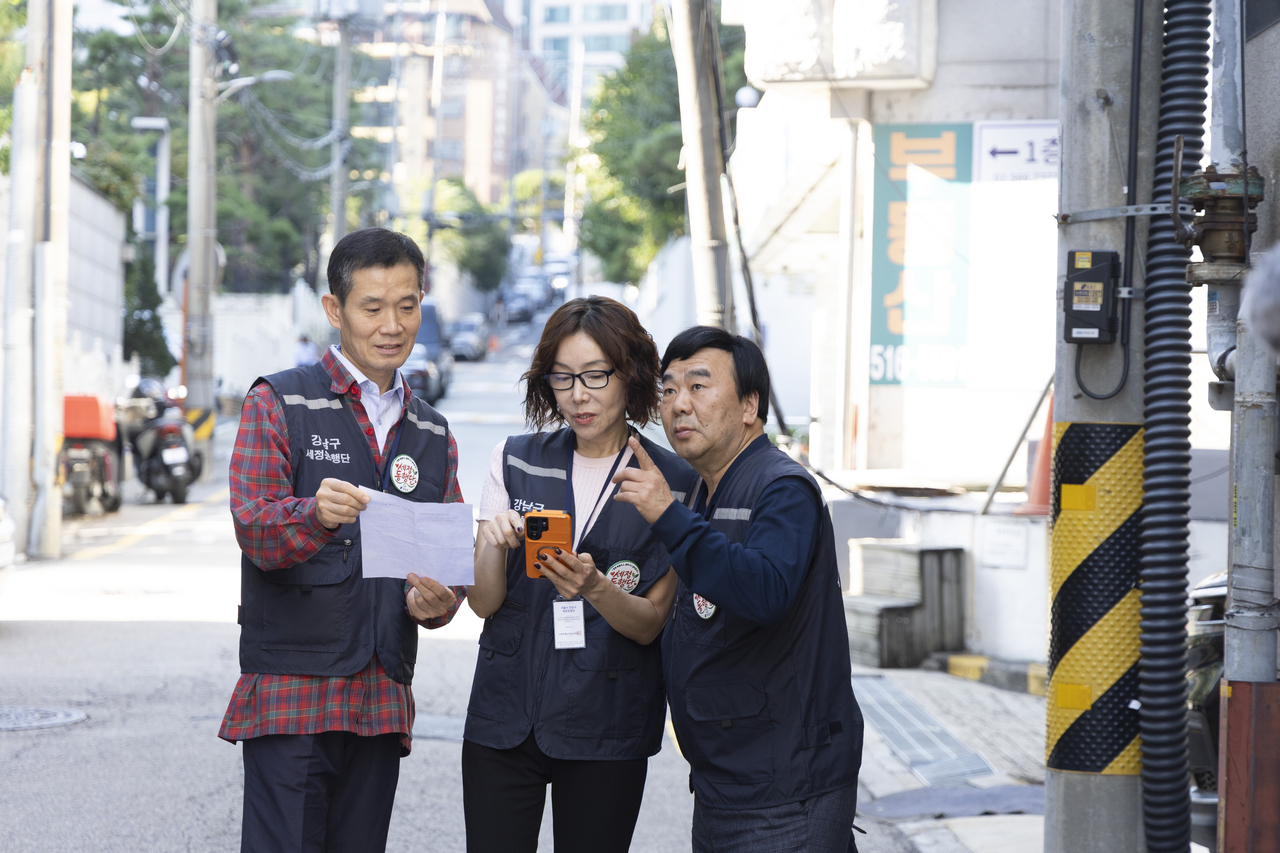
Taxes are a burden for everyone. The obligation to pay is inescapable regardless of income, but for residents already stretched thin by an economic slowdown and high prices, meeting a tax bill can feel particularly daunting.
Amid that backdrop, a new approach is taking hold in Seoul's autonomous districts. Rather than simply collecting overdue taxes, a growing number of local governments are examining the circumstances of delinquent taxpayers and connecting them with welfare services and employment opportunities — a model being called "humanist tax administration."
Gangnam-gu, Seongbuk-gu and Dongjak-gu are leading examples. Each district identifies the reasons behind tax delinquency through phone consultations and field visits, then links residents who genuinely cannot pay to welfare support.
At the same time, the districts recognize that taxpayers who deliberately evade taxes despite having the means to pay require more aggressive asset tracing and revenue investigation — broadening the role of local tax administration considerably.
Gangnam-gu collects 570 million won in two months through task force
Gangnam-gu launched a dedicated tax outreach task force in August and collected 570 million won ($427,000) in overdue taxes within roughly two months.
A team of 31 fixed-term workers and dedicated civil servants conducted phone consultations and on-site investigations, achieving what the district described as a "one stone, five birds" outcome: collecting delinquent taxes, identifying residents falling through the welfare safety net, returning small unclaimed tax refunds, connecting residents with jobs and creating public employment opportunities.
A particularly notable feature of the effort is its field-first approach — maintaining consistent contact with delinquent taxpayers, understanding why payment is difficult and guiding them toward options such as installment plans.
In one case, investigators noticed that two separate delinquent companies shared the same representative name and contact information. After reviewing the relevant records and conducting sustained consultations, they secured payment of the outstanding taxes.
The task force also tracked down money owed to residents. It identified roughly 3,200 cases of small unclaimed refunds totaling 530 million won and sent out notifications, ultimately returning about 300 million won across approximately 1,200 cases.
Welfare referrals followed as well. During consultations, staff identified 20 residents in financial distress or otherwise in need of assistance and referred them to their local community service centers. One resident who had spent 30 years in the furniture repair trade was connected with a job that drew on those existing skills and experience.
Gangnam-gu plans to keep the task force running through the end of November, continuing its work on tax collection, refund returns and welfare and employment referrals.
Seongbuk-gu investigates 5,573 delinquent taxpayers, collects 209 million won from 1,017
Seongbuk-gu launched a local tax revenue delinquency management team in August and has taken a field-centered approach to managing small-amount delinquencies.
Over three months through October, the team investigated 5,573 delinquent taxpayers and collected a total of 209 million won from 1,017 of them, covering 2,318 individual delinquent cases.
The team targets residents with local tax arrears of 1 million won or less, as well as those with non-tax revenue arrears. It comprises 13 people in total: one team leader, two civil servants handling local tax and non-tax revenue respectively, and 10 fixed-term workers.
The team notifies delinquent taxpayers by phone, explains payment options and sends a virtual account number by text message so residents who wish to pay can do so immediately. When phone contact fails, staff visit the resident's home in person to inform them of the delinquency and follow up with further consultations.
A key feature of the approach is its attention to both payment capacity and living conditions. Residents who cannot pay because of genuine financial hardship are referred to welfare services, extending the effort beyond simple tax collection to supporting overall livelihood stability.
Dongjak-gu collects on 2,580 delinquent cases, identifies welfare-crisis households
Dongjak-gu similarly launched a local tax revenue delinquency management team in August, running tax collection and welfare safety-net identification in parallel.
The district hired 10 team members in July and put them through training on personal data protection and job duties before beginning phone consultations and field investigations.
As of Oct. 15, the team had investigated 7,112 delinquent taxpayers and collected 145 million won across 2,580 cases.
Five residents found to be in financial difficulty during the investigation were provided with welfare counseling and connected to relevant services.
In one representative case, staff visited the home of a resident in their 80s who had difficulty moving around and was living on a basic pension. They helped the resident complete a welfare counseling application and referred the case to the local community service center for basic livelihood security benefit consultations.
A single-person household struggling to pay taxes after retirement was guided through payment options and self-sufficiency programs and helped to apply for tailored welfare benefits. Residents facing hardship due to a spouse's medical expenses, and another whose regular outpatient treatment was limiting chances of re-employment, were also connected with welfare counseling.
Dongjak-gu plans to continue collecting delinquent taxes and identifying welfare-crisis households while carefully examining each taxpayer's financial situation, and intends to keep the delinquency management team running next year.
Balancing fair collection with compassionate administration
The experiences of these three districts illustrate how local tax administration is evolving — from straightforward revenue collection toward a more proactive role that takes stock of residents' actual living conditions.
Among residents with small arrears, many have fallen behind because of temporary job loss, business closure, illness or old age. Identifying the reasons for delinquency and offering realistic payment paths can be a more effective solution than issuing blanket payment demands.
At the same time, those who hide assets or deliberately evade their tax obligations despite having the means to pay require a firm response. Strengthening asset and income analysis using AI and big data to track down willful delinquents is essential to ensuring fairness toward compliant taxpayers.
Ultimately, sound tax administration rests neither on unconditional collection nor unconditional leniency. It means offering welfare support and a path to recovery for those who genuinely cannot pay, while responding firmly to deliberate evasion.
Collect taxes fairly — but look at people's circumstances with care. That is why the humanist turn in Seoul's district tax administration is drawing attention.
seouldream01@heraldcorp.com




