
BOK cut meetings from 12 to 8 in 2017, citing global trend
Fed announces shift from 8 to 6 rate decisions starting next year
BOK expected to weigh pros and cons after Fed details its plan
Gaps in Fed calendar could complicate BOK's own rate calls
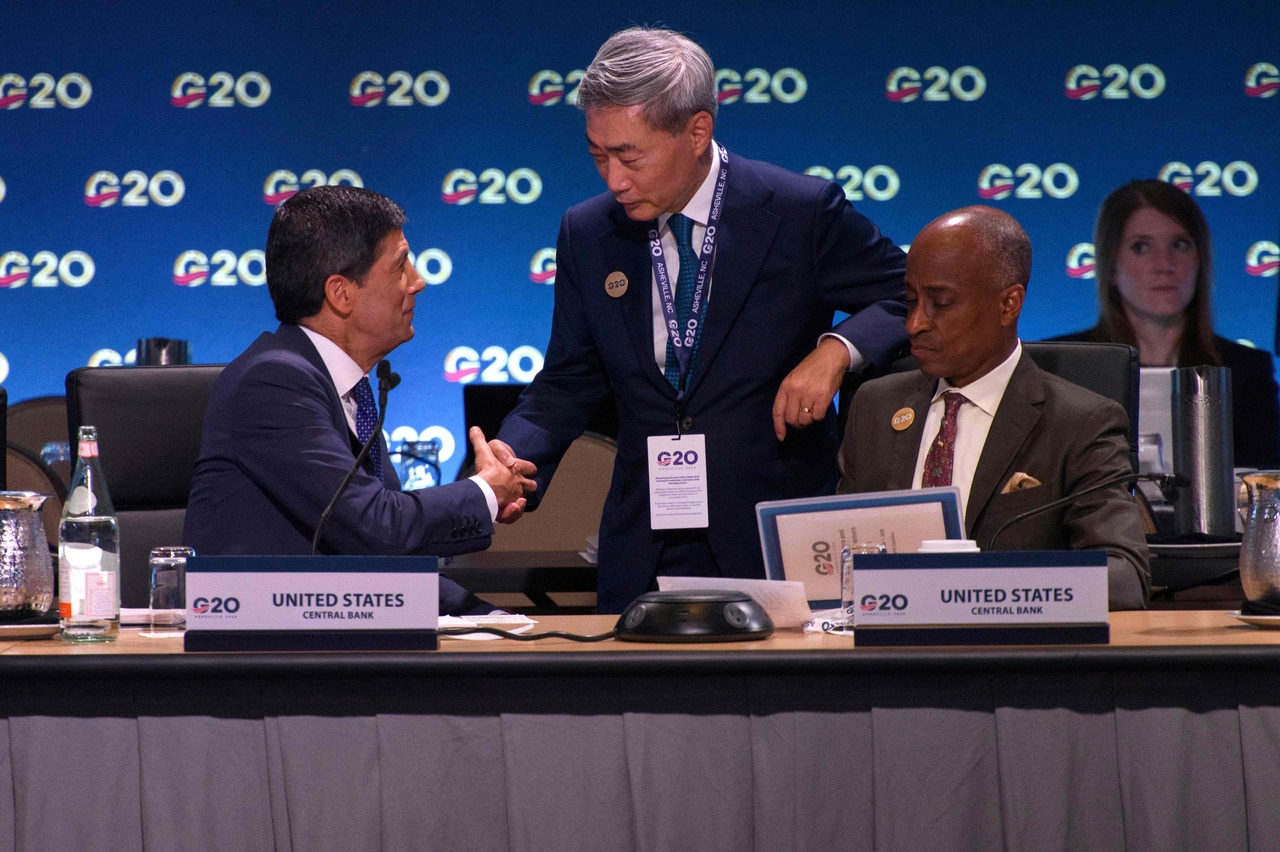
Federal Reserve Chair Kevin Warsh's announcement that the Fed will reduce its benchmark interest rate decisions from eight to six times a year has renewed attention on whether the Bank of Korea will follow suit. The BOK cut its own rate-setting meetings from 12 to eight per year in 2017, citing trends among major central banks and the need for more effective market communication.
This time, however, analysts say the BOK is unlikely to reduce its meeting count. The Fed appears to be moving alone, and there are no internal calls within the BOK to trim the current eight meetings.
According to financial industry sources, the BOK is expected to begin a full assessment of the merits and drawbacks of reducing its Monetary Policy Board meetings only after the Fed releases the specifics of its restructuring plan next year. "The Fed has not yet finalized the details, and we have not had any internal discussions about reducing our own monetary policy meetings," a senior monetary authority official said. "Once the Fed announces the specifics, we will then look into whether a reduction is necessary."
Warsh said at a press conference following the FOMC meeting Wednesday (local time) that the Fed would maintain eight annual meetings overall but convert some into strategy sessions without rate decisions. Rate-setting meetings are set to be reduced to seven next year and six by 2028 — ending the eight-per-year framework the Fed has maintained since 1981, after roughly 46 years.
Fed decisions exert direct and indirect influence on the BOK's rate judgments through the Korea-US interest rate gap and the exchange rate. A reduction in the number of Fed decisions would inevitably affect the BOK's own decision-making environment.
The BOK reduced its benchmark interest rate meetings from 12 to the current eight per year in 2017. The rationale at the time included an internal concern that monthly rate announcements were causing financial markets to overreact to monetary policy expectations. On top of that, major central banks — including the Fed, the ECB, the Bank of England and the Bank of Japan — had all converged on eight meetings a year. The Fed's latest move could therefore become a new variable for the BOK.
But the prevailing view inside and outside the BOK is that the situation now differs from 2017. Major central banks outside the Fed are signaling resistance to cutting their own meeting counts.
"When the BOK reduced its meetings in 2017, there was a global consensus — not just the Fed," a senior financial industry official said. "Now, other major central banks are not on board, so the circumstances are different." ECB President Christine Lagarde also shrugged off the idea at a press conference following the ECB's monetary policy meeting Thursday (local time), saying the bank has no plans to reduce the number of meetings dedicated to monetary policy.
At its Monetary Policy Board meeting Thursday, the BOK approved a schedule of eight monetary policy direction meetings for next year.
Still, if the Fed's reduction in rate-setting meetings becomes reality, the BOK's burden is expected to grow. From 2028, with the Fed holding only six rate decisions a year, two of the BOK's eight annual Monetary Policy Board meetings would have to be held without any preceding Fed decision to reference.
As early as next year, if the Fed converts either its September or October meeting into a strategy session, the BOK could find itself setting a new rate in October or November without knowing what the Fed has decided. If the two central banks' monetary policy directions diverge in that window, the fallout could be significant.
A senior government official acknowledged the difficulty but also pointed to a potential upside. "It could be a burden to make a decision without knowing what the US will do," the official said. "On the other hand, the benefit of making a preemptive decision suited to our own conditions could be greater. There are both advantages and disadvantages."
BOK Governor Shin Hyun-song has repeatedly emphasized the benefits of moving ahead of the Fed on rate increases last July and August. At a National Assembly audit on Oct. 23, Shin said: "After we raised rates two consecutive times in July and August, the Fed also raised rates and there were external shocks. By raising rates twice in a row at that point, we gained room to manage monetary policy in line with domestic conditions."

kimstar@heraldcorp.com




