
Seongbuk-gu's delinquency management team collected 209 million won over three months; residents in financial hardship are referred to welfare services
Phone calls and field visits help small-amount debtors pay, while those unable to pay due to poverty are connected to support programs
A shift is underway in how local governments handle unpaid taxes — moving beyond simple punitive measures toward a more nuanced approach to delinquency management.
Field visits to assess the individual circumstances behind each case of nonpayment are becoming increasingly common across Seoul's autonomous districts.
Residents facing genuine hardship are now being referred to welfare services rather than simply penalized.
Gangnam-gu pioneered the approach, and other districts have been gradually adopting it to positive reviews.
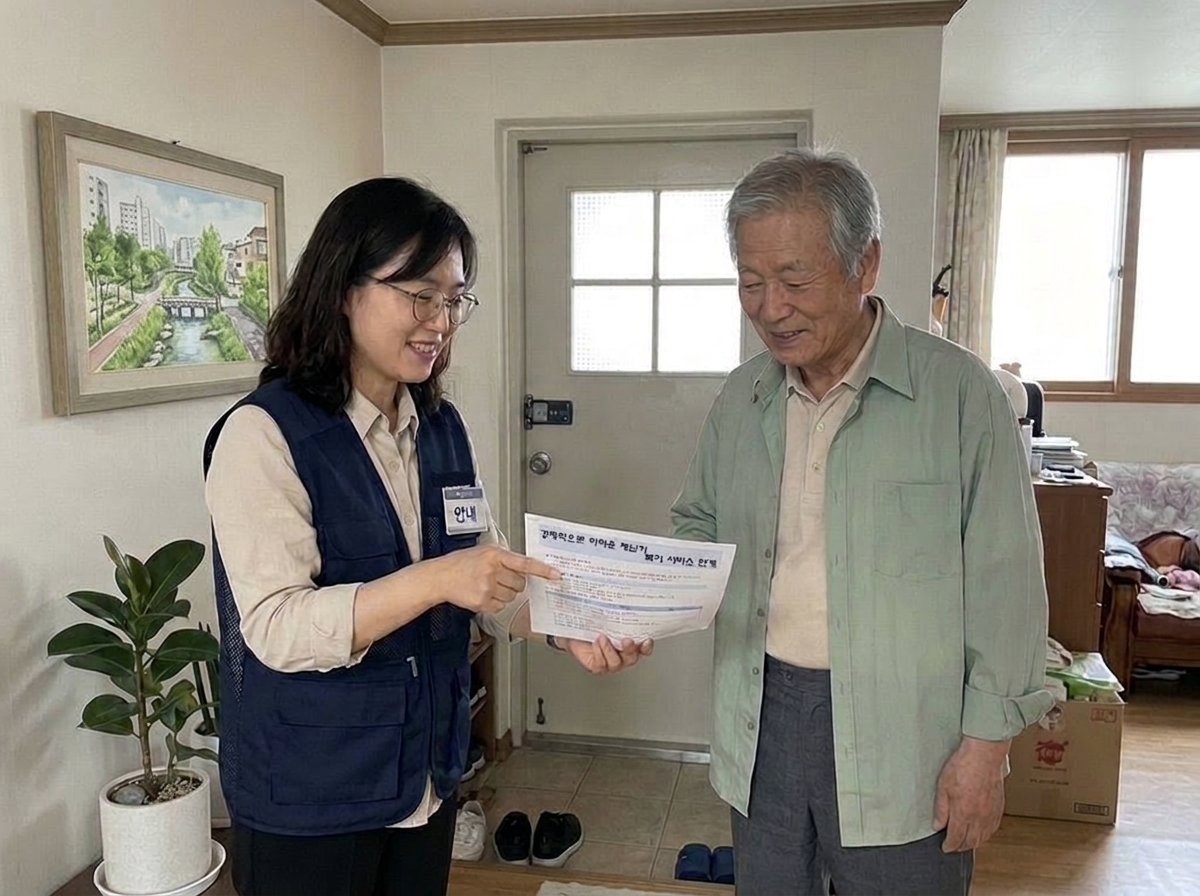
Amid this trend, Seongbuk-gu has launched a "local tax revenue delinquency management team" that visits small-amount debtors in person to guide them through payment options and connects economically struggling residents with welfare services.
According to Seongbuk-gu, the team investigated the circumstances of 5,573 delinquent taxpayers over three months from August to October this year. Of those, 1,017 paid their overdue amounts, with total collections reaching 209 million won ($156,000) across 2,318 settled cases.
The team's caseload covers residents with local tax arrears of 1 million won or less, as well as those with non-tax revenue delinquencies. Investigators contact debtors by phone and through in-person visits to explain the delinquency and available payment methods, while also checking on their living conditions. The work goes beyond issuing payment reminders. Investigators assess each debtor's willingness and financial capacity to pay, then tailor collection efforts accordingly. Those who cannot pay because of poverty — so-called subsistence debtors — are referred to welfare services. The team thus serves a dual role: collecting overdue payments and identifying residents in need of support.
The team consists of 13 members: one team leader, two civil servants handling local taxes and non-tax revenue respectively, and 10 fixed-term workers hired through open recruitment. The unit operates from August through November this year.
Each fixed-term worker is assigned a set of debtors and handles both the investigation and payment guidance. The process begins with a phone call informing the debtor of the total amount owed and confirming whether payment is intended. Those willing to pay receive a virtual account number by text message, allowing them to complete payment immediately after the call.
Field visits are conducted daily alongside the phone outreach. When an investigator arrives at a debtor's home and finds no one there, a calling card with the team's contact information is left behind. A follow-up phone call is then made to explain the delinquency and payment options. Rather than stopping after a single contact or visit, the team continues with follow-up guidance. The assigned investigator maintains direct contact with each debtor, focusing on facilitating payment and checking on living conditions.
About 18 percent of the debtors investigated over the three months paid their arrears. The average payment per person came to around 206,000 won. The results reflect the gains from consistently managing small-amount delinquencies — cases that had previously been difficult to handle — through phone calls and field visits.
Seongbuk-gu plans to continue operating the delinquency management team in 2027, again hiring 10 fixed-term workers through open recruitment. The district intends to maintain payment guidance and investigations for small-amount debtors while continuing to connect economically struggling residents with welfare services.
"The delinquency management team represents field-centered administration — going directly to residents to explain their delinquency and payment options while also checking on their living conditions," Seongbuk-gu District Mayor Lee Seung-ro said. "It is important to help residents who are able to pay do so conveniently, and to connect those who cannot pay due to financial hardship with the welfare services they need." Lee added that the district would "consistently manage even small-amount delinquencies to improve fairness toward residents who pay their taxes faithfully, while not overlooking the hardships of neighbors hidden behind those arrears," and pledged to "continue pursuing fair revenue collection and identifying households in crisis together, delivering field-based administration that residents can feel directly."
seouldream01@heraldcorp.com




