
The face of Korean living rooms for 67 years through 'Chief Inspector' and 'Country Diary'
Actor who played elders at 30, Syngman Rhee at 40 leaves behind a career of total commitment
"I want to thank the viewers — that is the heart of a jester"
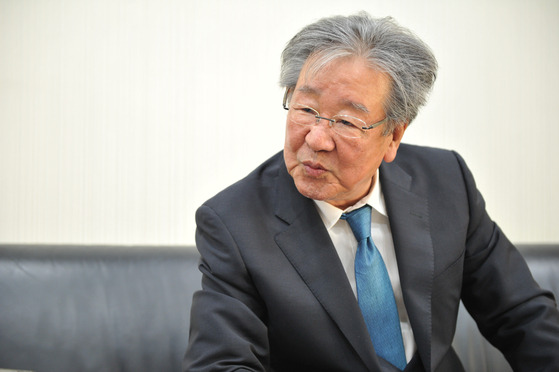
Choi Bool-am — the unyielding detective chief, the wandering traveler in search of Korea's flavors, and the screen father of a nation — has died. Choi was 87.
Choi Bool-am, whose given name was Choi Young-han, died Thursday night at around 10 p.m. at a hospital in Gangseo-gu, Seoul, where he had been receiving inpatient treatment. Choi had undergone surgery for a herniated disc last year and had been focused on rehabilitation, but sources said his health deteriorated sharply in recent weeks.
It had been 67 years since Choi first stepped onto a stage in the 1959 production of "Hamlet." Over that span, Choi spent 18 years as a detective chief, 22 years as the elder of a rural village and 14 years as a traveling guest at dinner tables across the country. The booming "Pa-ha!" laugh — head thrown back — crossed generations to become the sound of an era.
Child of Myeong-dong's Eunseong, dreaming of the director's chair
In 1948, at the Dongbang Theater in Incheon, a nine-year-old boy stood at the front of a preview screening holding a portrait of his father. The boy's father, Choi Cheol, had collapsed from overwork before the preview of his film and died at 35. The boy who lost his father so young would spend more than half a century playing fathers on screen.
Widowed, Choi's mother Lee Myeong-suk first opened a music café called Deungdae Music Hall in the basement of the Dongbang Theater in Incheon, then moved to Myeong-dong in Seoul, where she ran a makgeolli tavern called Eunseong. In the 1950s, Eunseong became a gathering place where poets, novelists and journalists debated the times and the arts. Figures such as Lee Bong-gu — known as the "Count of Myeong-dong" — Park In-hwan and Cheon Sang-byeong were regulars, and legend has it that the song "Sewori Gamyeon," with lyrics by Park In-hwan set to music by Lee Jin-seop, was born in that very tavern. Despite modest means, Choi's mother kept an open tab for struggling artists.
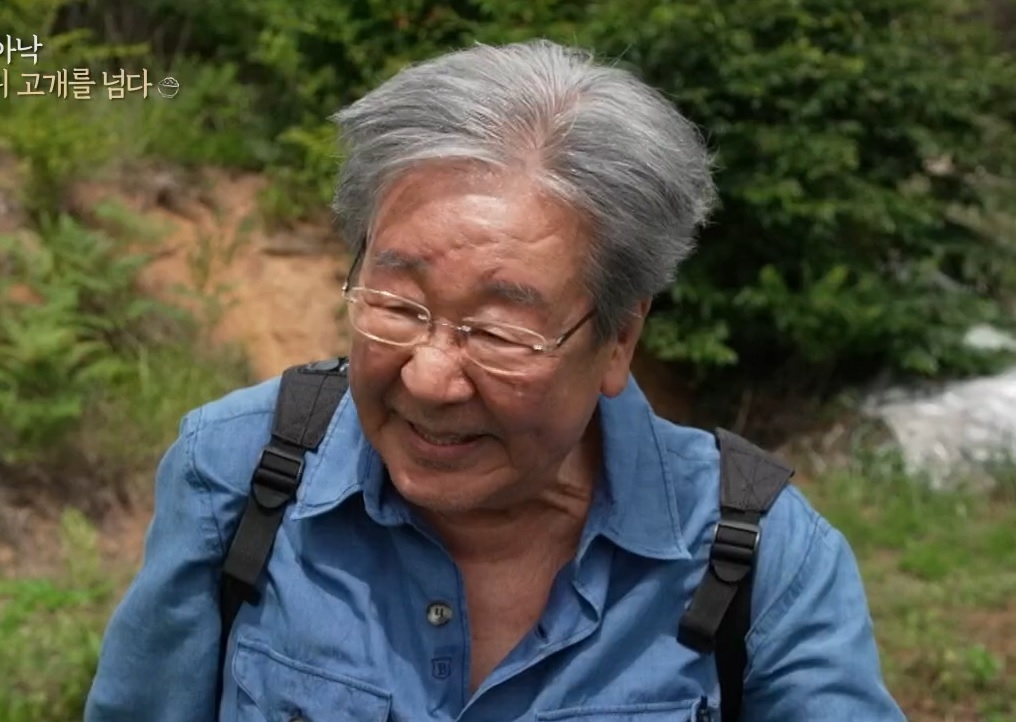
The boy who grew up beside artists' drinking tables first encountered the stage through the drama club at Jungang High School. Choi studied directing at Sorabol College of Arts and graduated from Hanyang University's department of theater and film. The dream was not to act but to direct. Kim Chun-bok, a novelist and high school classmate, recalled in an MBC documentary in May that the young Choi "resembled James Dean."
Choi made his debut in 1959 as the youngest actor to play Hamlet in the theater troupe Silheom Geukhoei's production of "Hamlet," and in 1965 joined the National Theater Company of Korea, fully committing to a life of acting. It was around this time that Choi adopted the stage name Bool-am. Another actor was already working under the same birth name. The name had been given by an uncle who wished his nephew — who had lost his father early — a long and healthy life. Because the stage name shared both the sound and the hanja with Bulamsan, Choi was appointed honorary owner of the mountain in 2009.
An elder at 30, an octogenarian at 40 — an actor who outran his own age
When Choi was selected in 1967 as a sixth-cohort talent recruit at Seoul Central Broadcasting (now KBS), the first role assigned was the elderly Kim Jong-seo in the drama series "Suyang Daegun." Moving to MBC in 1969, Choi played an old man at age 30 in the network's inaugural drama series "Yeokpung," and in the 1980s took on the role of an 80-year-old Syngman Rhee in "The First Republic" (1981–1982) and "The Second Republic" (1989–1990). For the sake of a production's integrity, Choi never turned down a supporting role or a physically demanding one.
On March 6, 1971, MBC's "Chief Inspector" aired its first episode — the original Korean investigative drama based on real cases. Detective Chief Park Young-han, in his signature beige trench coat, pursued criminals while never turning away from the human stories behind crimes of desperation. Viewership peaked at more than 70 percent. The show ended its run at episode 680 in October 1984, returned the following May in response to audience demand, and concluded its 18-year journey on Oct. 12, 1989, with episode 880, titled "Seoul in the Rain." Active detective Choi Jung-rak served as a consultant, and the show's "Pa-ra-ba-ra-bam" theme was later revived as a hummed tune by Song Kang-ho in the film "Memories of Murder."

The police never forgot Detective Chief Park. Choi was first appointed an honorary police officer in 1972, was named an honorary superintendent in 2012, and in 2024 became the first civilian appointed honorary director of the National Investigation Headquarters, equivalent to the rank of senior superintendent general. That same year, Choi made a special appearance in the prequel series "Chief Inspector 1958," playing the distant future of the young Park Young-han portrayed by Lee Je-hoon.
On screen, Choi showed an entirely different face. In director Lee Doo-yong's "The Last Witness" (1980), Choi played Hwang Ba-u, a man who spent 20 years in prison on a false murder charge, earning the best actor prize at the inaugural Korean Film Critics Association Awards. The film was originally 158 minutes long but was released in a censored cut; the Korean Film Archive restored a 154-minute version in 2003. Choi also appeared in "Yeongja's Heyday" (1975), "A Fine Windy Day" (1980) and "Our Joyful Young Days" (1987), and won back-to-back Grand Bell Awards for best supporting actor for "King Sejong" (1978) and best actor for "Run, Manseok" (1979).
Chairman Kim of Yangchon-ri, and the 'Choi Bool-am series'
MBC's "Country Diary," which began in 1980 and ran until 2002, became the longest-running drama series in Korean broadcasting history at 22 years. Playing Chairman Kim of Yangchon-ri — a man well past 60, portrayed by Choi while still in his 40s — Choi was paired with Kim Hye-ja. The two had first worked together in "Frog Husband" (1969–1970), and their on-screen marriage was so natural that some viewers genuinely mistook them for a real couple.
Chairman Kim was not a domineering patriarch. In a 2007 interview with the Seoul Shinmun, Choi described the father portrayed on screen as a "weak father" — one who could not afford to be strong if he was to embrace grandchildren, children and an aging mother all at once. Choi's own memories of a father were faint. While preparing for a documentary this year, Choi confided: "Having lost my father early in childhood, I actually don't have many experiences or memories of what a father is."
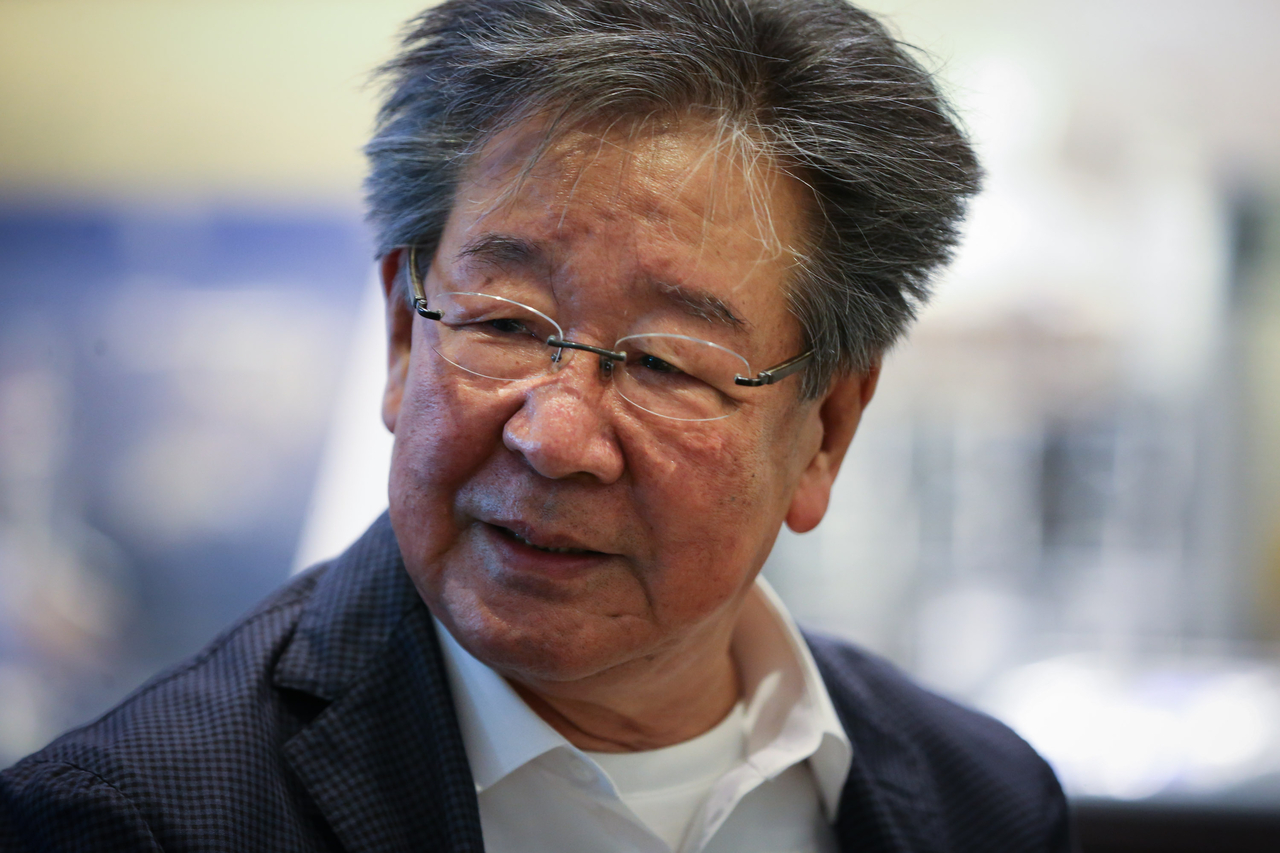
The paternal image on screen extended into real life. A 1981 storyline in which Chairman Kim adopts the youngest child, Geum-dong, brought Choi into a lasting relationship with ChildFund Korea, and from 1985 Choi served as national patron representative on behalf of donors. Choi consistently appeared in special live broadcasts to reunite missing children with their families and in programs supporting children with rare and incurable diseases. During a term in the National Assembly, Choi devoted particular attention to youth in juvenile detention facilities.
From the late 1980s into the early 1990s, a series of short jokes built around Choi swept the country — the so-called "Choi Bool-am series." The humor worked precisely because the name was known to everyone, young and old. Choi embraced the trend with good humor, and countless broadcasters imitated the signature "Pa-ha!" laugh. In "You and I" (1997–1998), Choi subverted the patriarchal mold by playing Park Jae-cheon — a former sailor from the Yeongdeok coast, nicknamed "Captain Park."
Politics, the dinner table and the jester
Choi shared a special bond with the late Chung Ju-yung, honorary chairman of Hyundai Group. In "Ambition's 25 Hours" (1983), Choi played the young Chung Ju-yung; in "Age of Heroes" (2004–2005), Choi played Cheon Tae-san, a character modeled on Chung. In 1992, at Chung's urging, Choi entered the 14th National Assembly as a proportional-representation lawmaker for the Unification National Party. When Choi ran as a candidate for the New Korea Party in the Yeongdeungpo-eul constituency of Seoul in the 1996 general election and lost, Choi returned to "Country Diary" that same year.
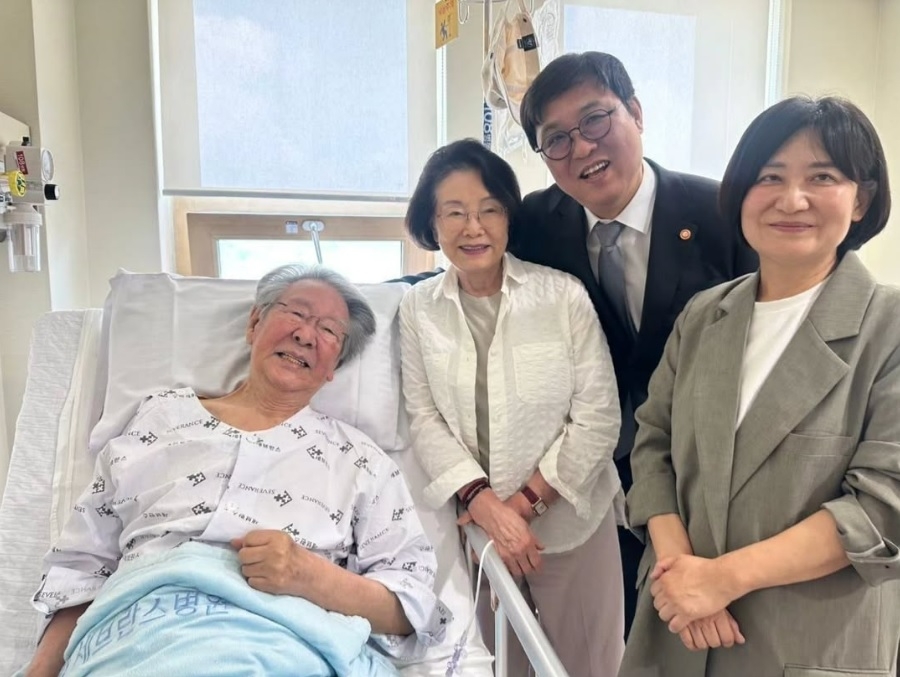
From 1999 to 2008, Choi hosted KBS's civic campaign program "Good Country Movement," and from 2011 until March last year spent 14 years leading KBS 1TV's "Koreans' Dining Table," traveling kitchens and markets across the country. In 2018, Choi returned to the stage for the first time in 25 years in the play "When the Wind Blows and the Stars Tremble."
Choi's lifelong companion was actor Kim Min-ja. Smitten at first sight, Choi nurtured the relationship through shared productions including the play "Hwanjeolgi" (1968), and after four years of courtship the two married in 1970 and had a son, Dong-nyeok, and a daughter, Dong-bi. A Baeksang Arts Awards best performance prize in the TV and theater categories, the Mogungjang Order of Civil Merit (1998) and the Silver Crown Order of Cultural Merit (2014) stand as testament to a life's work.
The final year was one of rehabilitation. After spinal disc surgery last year left Choi with limited mobility, Choi stepped down from "Koreans' Dining Table," and rumors of declining health spread among colleagues this past spring. Choi had been involved in the planning of the MBC documentary "Pa-ha, This Is Choi Bool-am" (broadcast May 5 and 12) from its earliest stages, but did not appear on camera at the family's wish that Choi focus on recovery. When Minister of Culture, Sports and Tourism Choi Hwi-young visited the hospital room in June, the minister wrote on SNS two days later: "Choi Bool-am said that once discharged, we should have a drink together." When the subject of the tavern Eunseong that Choi's mother had run came up, Choi broke into a bright smile, the minister wrote.
When speaking of the actor's craft, Choi consistently reached for the word "gwangdae" — jester, or clown. The words left while preparing for a final documentary were no different.
"I want to convey my gratitude to the viewers who have loved me for so long. That is the heart of a jester."
shee@heraldcorp.com




