Korea-China FTA deal grants most-favored-nation status to films and games, not concerts
K-pop performances absent from China since hallyu ban; music industry remains cautious
China tops Korea's album export rankings, yet K-pop concerts have been zero since ban
While live shows stalled, capital and localized groups moved into the Chinese market first
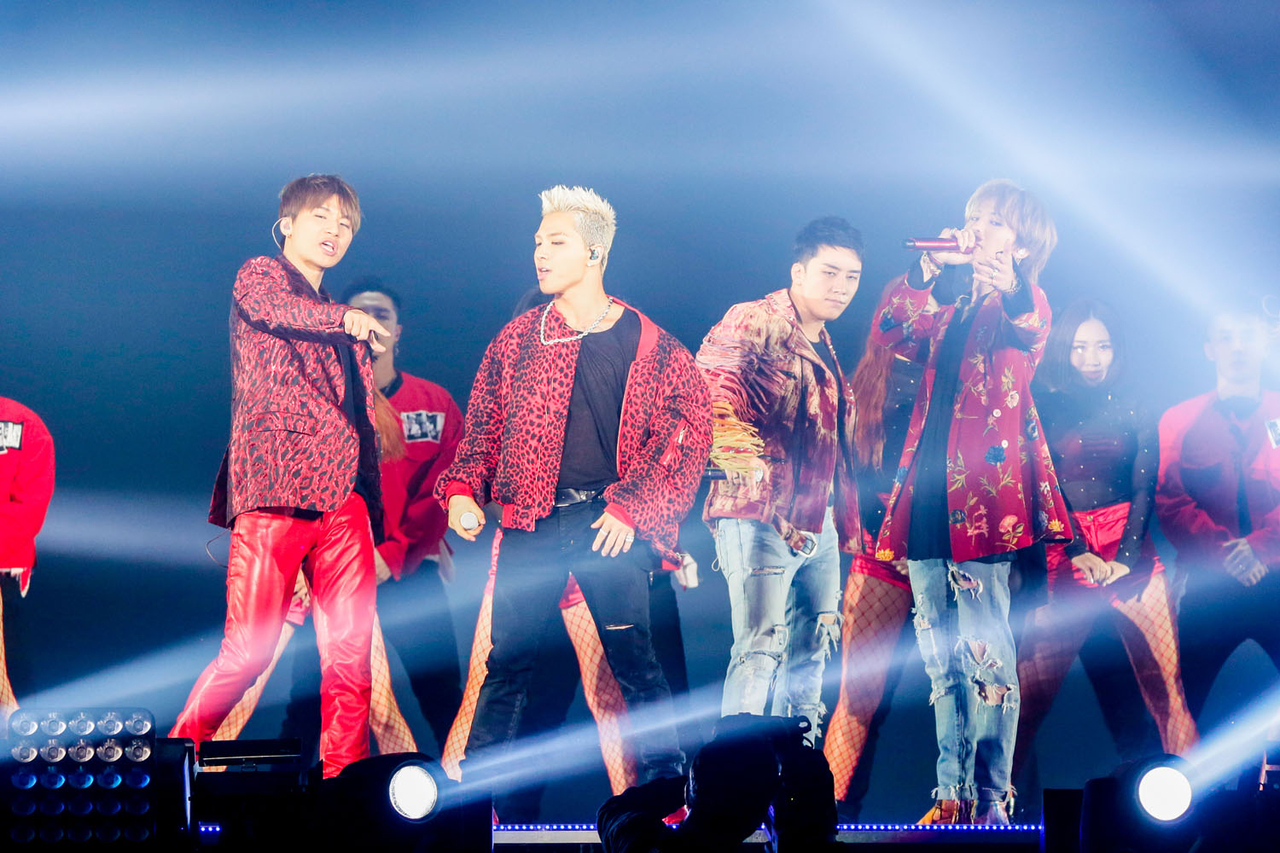
The Korean original musical "Hongnyon" ran at Shanghai's Shanghaigongwudae performance hall from Oct. 16 to Nov. 1, weaving together the folk tales of Janghwa Hongnyeon and Baridegi with rock music. The production completed a tour of 23 Chinese cities before opening its third China season in Shanghai — a licensed performance produced locally from a Korean original. The story, born in Korea, has traveled back and forth across Chinese stages for the past decade. The Korean actors and singers who first brought it to life, however, were not part of the journey.
South Korea and China reached a substantive conclusion Wednesday to follow-up negotiations on services and investment under their bilateral free trade agreement, raising hopes for a thaw in the hallyu ban — the informal restrictions on Korean cultural content in China. Yet the stage remains an exception. The sectors China agreed to extend most-favored-nation treatment to are films and games, and the expansion of co-productions was limited to audiovisual programs such as drama series, animation, entertainment shows and documentaries. In the joint government statement issued by the Ministry of Trade, Industry and Energy and the Ministry of Culture, Sports and Tourism, the words "performance," "singer" and "concert" do not appear once.
The stage opened — just without Koreans on it
The performing arts sector has carved out the widest foothold within the constraints of the hallyu ban. Musicals and plays can be staged as licensed productions in Chinese — with Chinese dialogue, songs and cast — through rights agreements alone, without Korean performers ever setting foot on stage.
"Panletter," a musical set in the Korean literary world under Japanese colonial rule, was remade in 2022 as a Chinese-language version with the setting shifted from Seoul to Shanghai, and it ranked fourth in Chinese musical ticket sales in 2023. At the China Musical Association's annual awards, it swept seven categories, including best licensed musical. "Gwangyeom Sonata" ran more than 200 times in Shanghai before embarking on a 10-city tour, and the Chinese licensed production of "Jack the Ripper" surpassed a cumulative audience of 100,000. In July, "Anarchist" opened in Shanghai.
Producers working on the ground in China say they feel the demand for Korean musicals firsthand. Kim Seon-yeong, CEO of DS Company, who handled Korea-China performing arts exchange operations in Beijing from 2008 to 2017, now serves as artistic director of the Shenzhen Antuo Mountain Public Cultural Center, operated by Chinese performing arts company Jucheng Group. Jucheng runs 45 theaters across China, and the Antuo Mountain center is a Chinese-language musical production venue with a 1,000-seat main theater, a 500-seat mid-size hall and four 100-seat black box spaces. "Among licensed musicals performed in Chinese, Korean works are generating strong sales results," Kim told The Korea Herald in a recent interview. "Not only audiences but local creative teams hold Korean works in high regard."
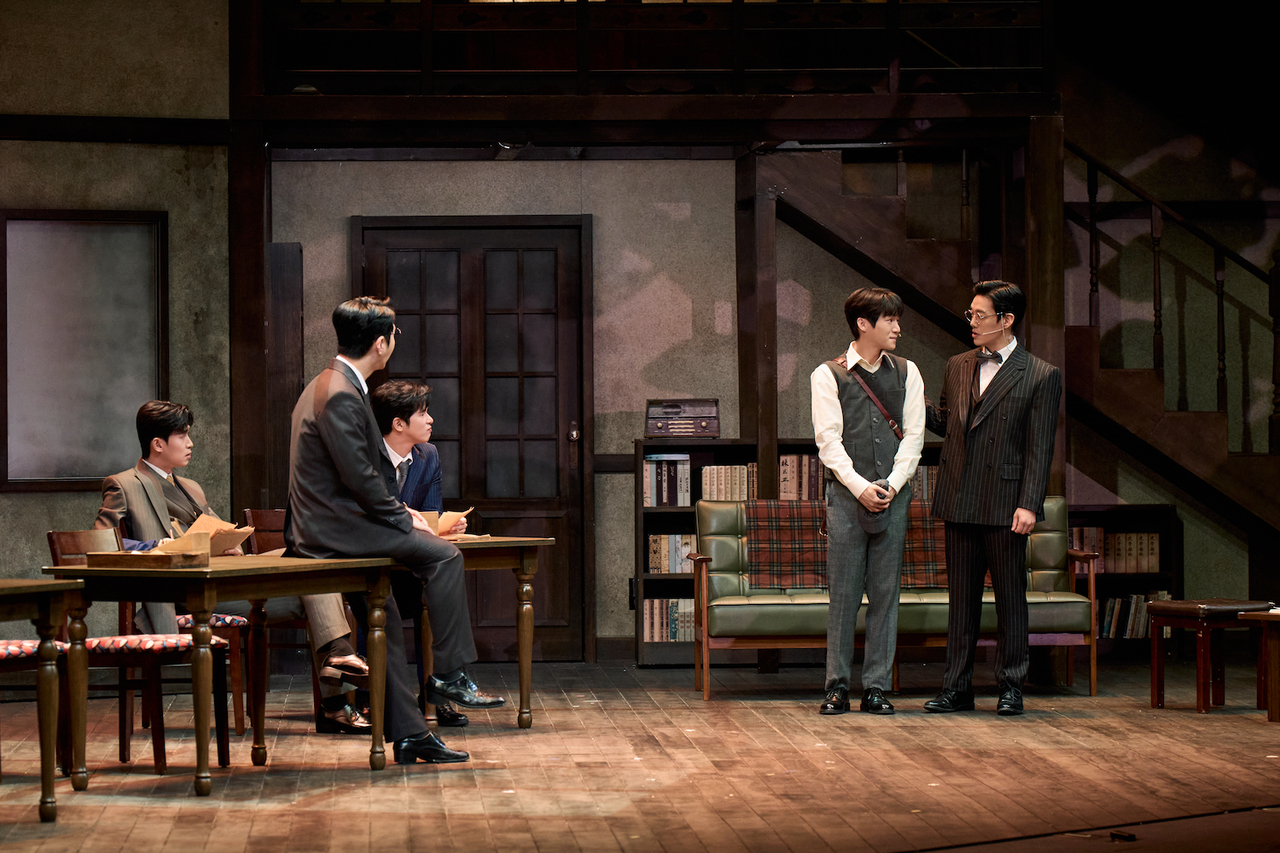
The venue where Korean works appear most frequently is Shanghai's Yanyixin Kongjian — a theater district that, like Seoul's Daehangno, concentrates multiple stages in one area, though here they occupy converted office buildings. Kim said the district has already surpassed 100 venues and is driving the quantitative growth of Chinese musical theater. Immersive-style "environmental musicals" have taken root there, with the Chinese-language version of the Korean original "Mia Familia" leading the way. For mid- to large-scale theaters, Kim said "Panletter" has delivered the strongest results.
The mode of exchange is also shifting to a new phase. Jang Ji-rin, CEO of MSK Musical, distinguishes between licensing Korean works for Chinese production — version 1.0 — and joint creation and production by creative teams from both countries, which he calls version 2.0. The first original musical Kim is developing at Antuo Mountain is itself a joint Korea-China creation, set in Shenzhen. "If only one side exports, it creates a trade imbalance," Kim said. "We need to think beyond simple cultural exchange and toward industrial exchange."
There have been exceptions. The National Theater Company of Korea's production of "Twelfth Night," invited as the closing work of the Beijing International Youth Theater Festival on Oct. 24-25 last year, was performed by Korean actors on stage and sold out both nights. Korean performers can appear in person as long as the purpose is non-commercial. Commercial touring productions featuring Korean performers, however, have yet to find an open path.
An industry official working in the Chinese performing arts sector said the current flow runs through licensing and production personnel, with Korean touring productions still unable to enter. "China operates on an approval system, and those approvals are simply not being granted," the official said. Kim added that touring productions with Korean performers on stage would be the proper way to showcase Korean musicals — and an important stimulus for the Chinese market as well.
K-pop: stages without songs
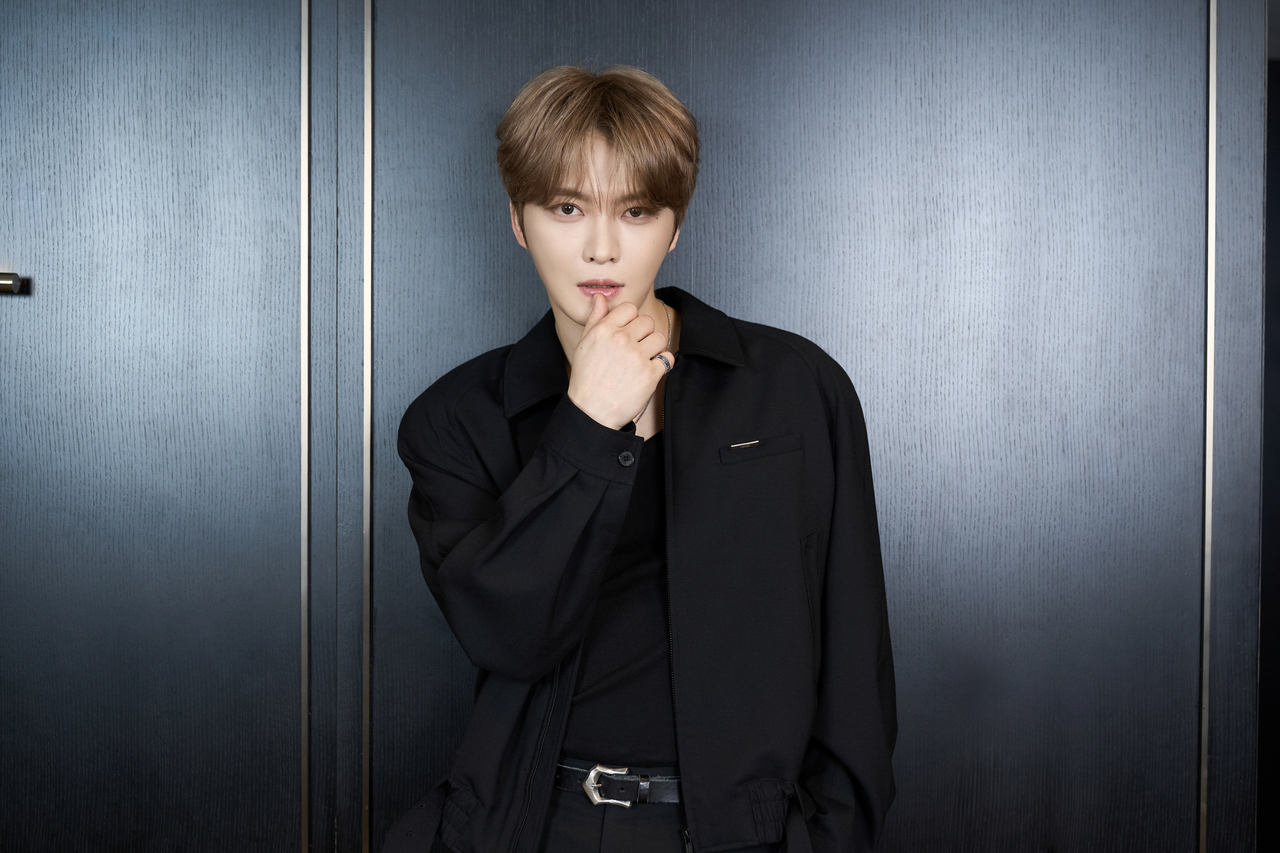
China was once a major market for K-pop concerts. A 2000 Beijing concert by the group H.O.T. prompted Chinese newspapers to splash the word "hallyu" across their pages. Through the mid-2010s, TVXQ, BIGBANG and EXO held large-scale concerts in China.
Music industry insiders describe the recurring expectation of a hallyu ban lift since the 2016 THAAD deployment as "the biggest false alarm in the business." The all-Korean boy group EPEX had planned a 1,000-seat solo concert in Fuzhou on May 31 last year, but postponed it roughly three weeks out citing "local circumstances." Girl group Kep1er's fan concert in Fuzhou in September, for which the group had prepared more than 10 songs, was also delayed due to "unavoidable local circumstances," and a Dream Concert planned for Hainan Province with a capacity of 40,000 failed to receive approval.
In February, the Hong Kong Dream Concert was postponed following notification from the Chinese organizer, and from May onward at least 12 fan meetings, fan signing events and similar activities were canceled, postponed or relocated. Not a single large-scale K-pop concert has been held on the Chinese mainland since the hallyu ban took effect.
In their place, smaller events and performances without singing have taken shape. TWICE, IVE and Kim Jaejoong held fan meetings and fan signing events in China, while NCT Dream set up a pop-up store. Jazz musician Maria Kim performed in Shanghai and Beijing in 2024, and Korean-American singer검정치마 performed in Wuhan in December 2024 and in Zhengzhou in January last year. Korean hip-hop group Homies also went on a China tour last spring.
An official at an agency representing multiple K-pop groups said fan meetings and fan signing events without singing had been permitted for a time, but that since late last year approvals and cancellations have alternated depending on local conditions. "The Chinese market opens when you least expect it, and slams shut when you do," the official said.
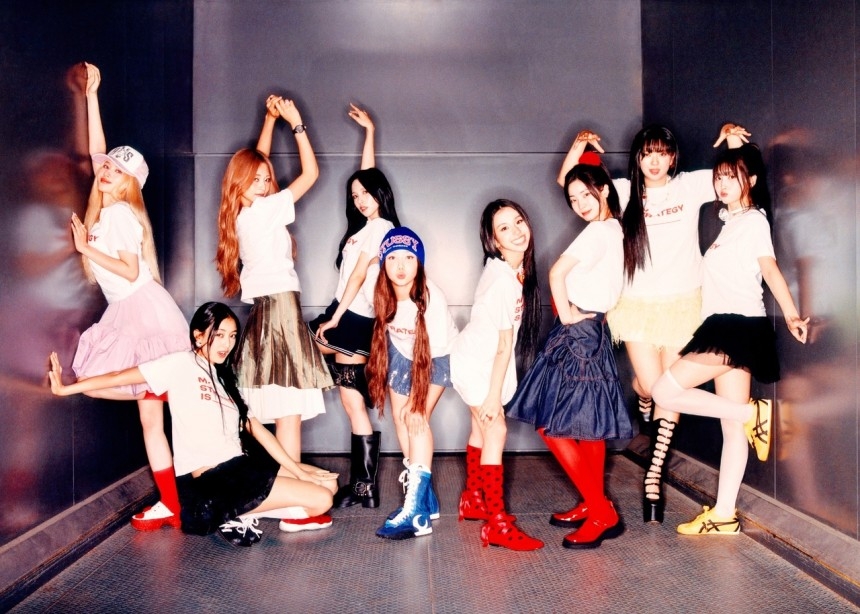
The bar for approval varied by city, and the more prominent the artist, the higher the threshold. Ai Jing, founder of Haze Sound, a concert promoter that has brought international artists to China, said that submitting identical applications to cultural authorities in Beijing, Shanghai and Guangzhou for performances by Korean-Chinese DJ Yaeji and band Say Sue Me yielded starkly different results — Guangzhou rejected the applications while Beijing approved them without warning. "The bigger the group, the more popular and influential the artist, the less likely they are to be able to perform in China," Ai said.
The higher bar for major groups also reflects Chinese authorities' wariness toward K-pop fandom culture. China's Cyberspace Administration issued measures in August 2021 to regulate excessive fan activity, prompted by an incident in which 270,000 bottles of milk containing voting rights for "Youth With You 3" — a talent show often compared to the Chinese version of "Produce 101" — were discarded. Chinese observers traced the roots of domestic fandom culture back to K-pop, and the K-pop model of artist development and fandom management came under pressure as a result.
While Korean performers were kept off stage, capital, recorded music and localized groups moved in first. Tencent Music, which operates China's largest music streaming platform, purchased a 9.38 percent stake in SM Entertainment held by Hybe in May last year, becoming the second-largest shareholder, and the two companies laid plans to debut a China-based idol group within two to three years. Hybe established Hybe China to launch localized groups, and JYP Entertainment announced the debut of its second localized boy group, CIIU, in August last year. According to Korea Customs Service trade data, China ranked first in cumulative album export value from January through October this year. On Wednesday, when news of the FTA deal broke, SM Entertainment closed up 14.30 percent at 87,900 won ($66) in regular trading.
The central question now is whether singing K-pop performances will be included in what President Xi Jinping described at the summit as "healthy and beneficial cultural exchange." One K-pop agency official said a genuine lift of the hallyu ban would require concerts of at least 5,000 to 10,000 seats or more. Another official at a major agency said the Chinese market had always been unpredictable even before the ban, but added: "If the hallyu restrictions ease, it will clearly mark an important turning point for the K-pop industry."
shee@heraldcorp.com