
Documentary 'Eddy Alice: Take' opens in cinemas
Activist Eddy and former lighting director Alice
Four years of transition — finding the self
"I would gladly be born as me again"
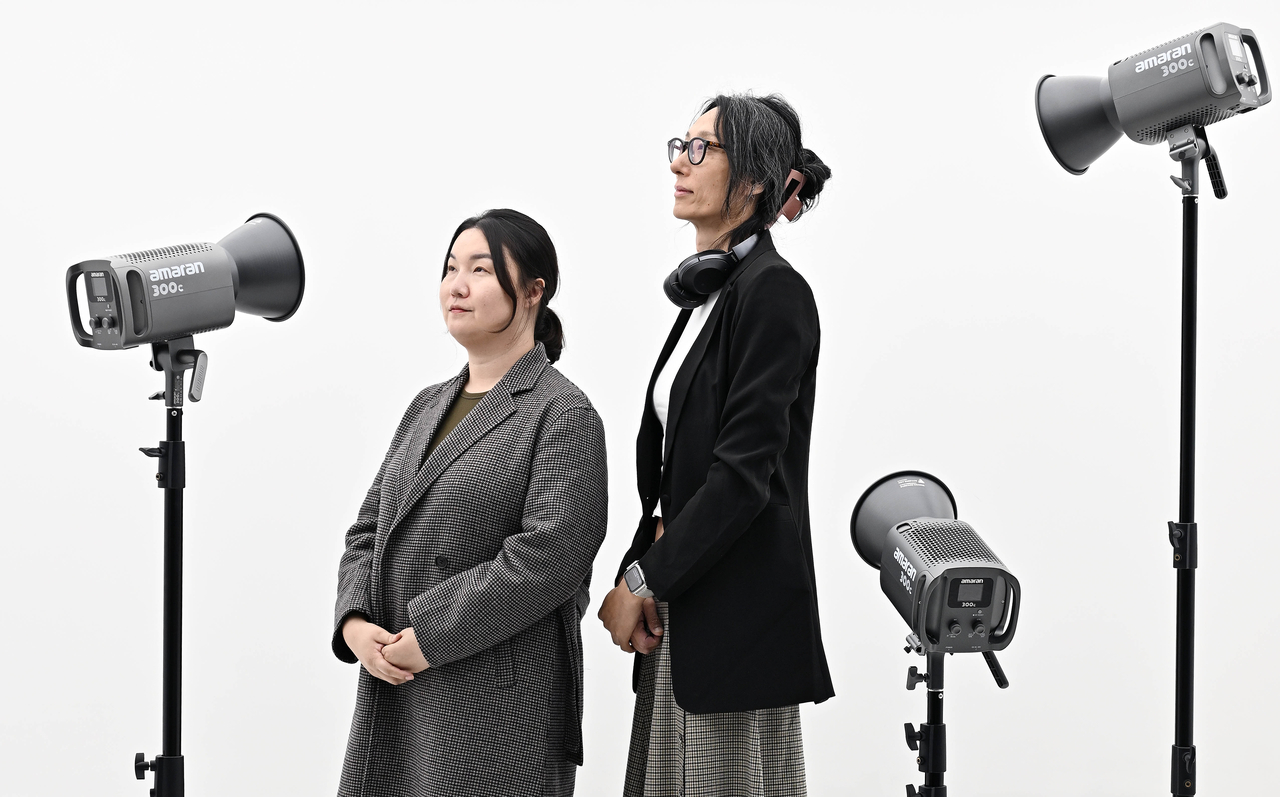
#1. Name: Eddy · Age: 39 · Nickname: "Unicorn" · Occupation: human rights activist, head of transgender community organization Communi-T · Gender-affirming surgery: 2022 · Transgender woman
"The fight with my body is over. But showing my body is still hard."
#2. Name: Alice · Age: 53 · Nickname: "Big Butterfly" · Occupation: former film lighting director, now an office worker · Gender-affirming surgery: 2013 · Transgender woman
"I thought I would become a butterfly, but I'm still a caterpillar."
Two transgender women. "Transition" — the process of changing one's body and life to live as the gender one knows oneself to be, rather than the one assigned at birth. Eddy describes it as "not just changing the body, but every desperate effort to interpret my own life so I don't lose myself." Though they crossed the same river away from their assigned genders, the ways they meet the world are entirely different. Director Kim Il-ran's documentary "Eddy Alice: Take," which opened Wednesday, holds all of that time.
Two people, two transitions
The film opens with Alice's story. Alice spent nearly two decades as a veteran lighting director on film and drama series sets — working through the years when K-dramas and Korean films rose to global prominence. What began as a job taken up "to live like a man" became a lifelong career. The name Alice was given by director Lee Joon-ik, who said Alice reminded him of Alice in Wonderland and simply asked, "How about Alice?"
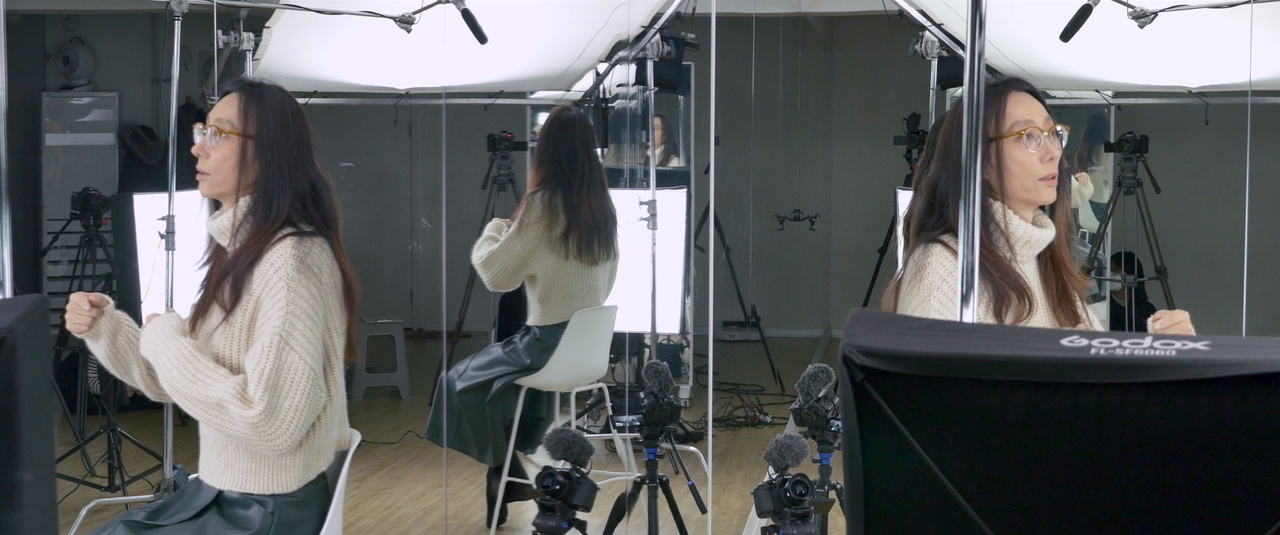
The camera then follows Eddy. Eddy is an activist who worked with LGBTQ youth at Ddingdong, a crisis support center for sexual minority youth, and at Jogakbo, a transgender rights organization — helping young people who shared the path Eddy had already walked. Because Eddy had been there first, every word carries the mark of that struggle. Much happened during the years of filming. In March 2021, just as shooting began, Sergeant Byun Hee-soo — a fellow activist and close friend — was found dead. Byun had been fighting a legal battle after being forcibly discharged following gender-affirming surgery. The following year, Eddy traveled to Thailand for the same surgery. The film watches all of it with quiet steadiness.
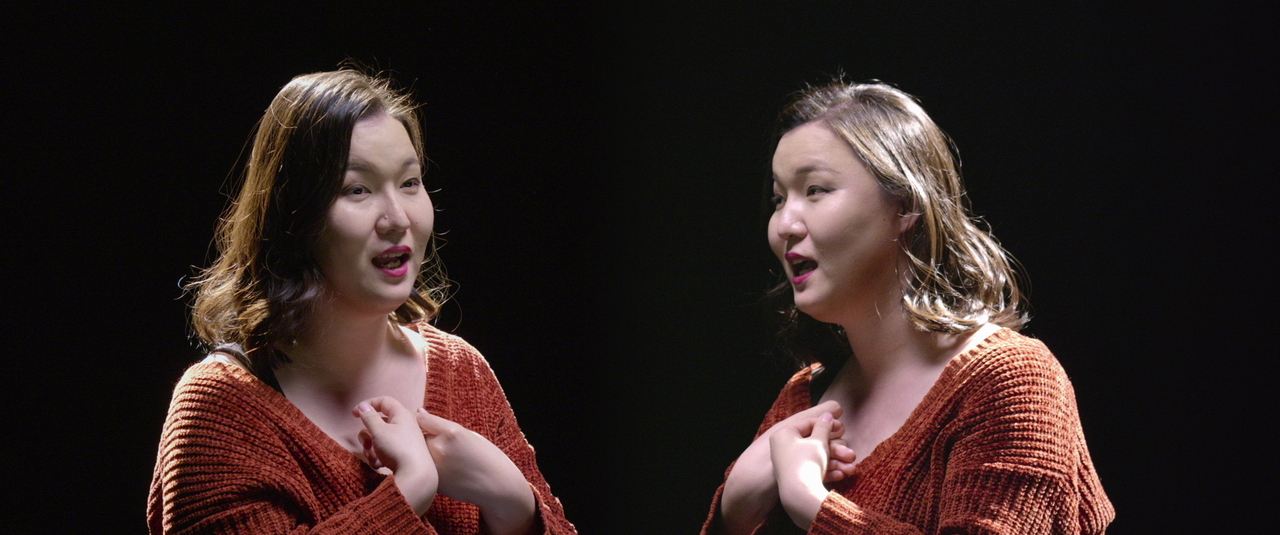
The two are strikingly different. "If there are 1,000 transgender people, there are 1,000 different bodies they want and 1,000 different transitions," Eddy said. Viewers of the documentary have taken to calling Eddy "Unicorn" — a smile that never leaves the face, someone who, as one put it, "would laugh through a war, like Candy from the old cartoon." Sexual minority viewers who watch Alice tend to agree: "It feels exactly like my own story."
Two years after filming wrapped, Eddy sat down for an interview ahead of the release. "We weren't filming the most radiant moments — just life as it flowed by, so after filming, daily life kept flowing the same way," Eddy said. In the intervening time, Eddy founded Communi-T, an offline space for sharing resources among transgender people, and took on its leadership. Eddy also contributed to establishing the Byun Hee-soo Foundation as a legal entity. Alice, meanwhile, stepped away from feature film work and now works at a company unrelated to the industry. "I'm living a genuinely ordinary life," Alice said.
Seeing themselves on screen again is both strange and familiar. "Three years have passed and my skin and body shape have both changed," Eddy said with a laugh. Alice used the two-year-old image as a mirror — noticing awkward habits in communication and finding things to work on. For Alice, the film is a reference book.
"A film's record is the past. Even though it's me, I find myself looking at it as a separate entity. It's a point of comparison I can pull out anytime — something other people don't have." (Alice)
Words swallowed, distance kept
"Are you a woman or a man?"
Back when Eddy was only on hormone therapy, before the gender marker on official documents had changed, that question came constantly on the street. Looking back, Eddy recalls having to explain the situation every time — when looking for work, when looking for a place to live.
Uncomfortable scrutiny often arrives wearing the face of goodwill. Eddy calls it "a well-meaning slap." "'You're so feminine,' or 'I never would have known you were transgender if you hadn't said so' — people mean it as a compliment, but underneath it is the assumption that looking transgender is somehow not quite right." (Eddy)
Faced with the same questions and curiosity on repeat, Eddy grew accustomed to swallowing words. There was always so much to say, but the burden of having to explain so much followed everywhere. "We need to say ten things, but when we try to match the listener's level of understanding, we often end up saying only one," Eddy said.
Alice's experience was different again. "When I meet someone for the first time, I can see a flustered hesitation in them," Alice said. "It's because of my height and my voice." Alice does not dwell on the reflexive reactions of people who pass through life briefly — letting them pass is the defense. But in the workplace, where the same faces appear every day, emotions accumulated and collided. That was true of the film sets Alice worked on for 20 years.
"On some sets I felt silent pressure and hostility. The people who had stood by me dwindled one by one. Almost no one gets pushed out anywhere for doing bad work. They just put the label of 'bad worker' on someone because they don't like that person." (Alice)
At the logistics company where Alice works now, colleagues are indifferent to what Alice wears or looks like — as long as everyone does the job. "Here, for the first time, I feel safe," Alice said.
Fighting, then making peace
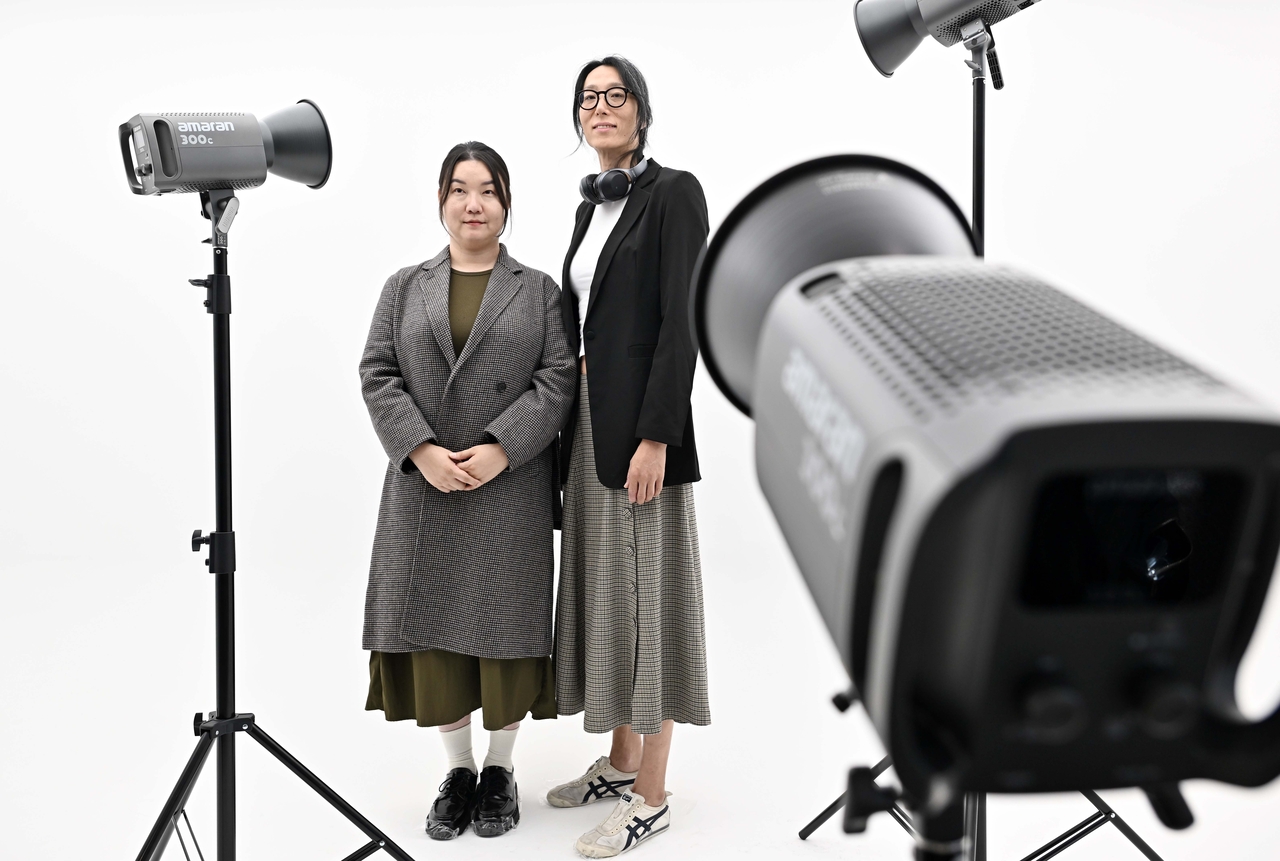
Both of their lives have been a continuous cycle — fighting the body, accepting it, making peace with it.
For Eddy, transition was a long process of preparation. It took nine years to bring up the subject of surgery with a mother. Throughout that time, Eddy asked and re-asked: "Do I really want this?" Saving the money on an activist's modest salary took years on its own. The surgery finally came at age 35.
"I fight with my body less now, so my relationship with it is good. The problem is that it's so good I've started gaining weight." Eddy laughed and said the bigger concern these days is weight-loss injections, not hormones. Still, Eddy added: "The process of recognizing what gender I am in any given moment doesn't end with surgery."
Alice's life turned on a single moment of decision. For 40 years, Alice had struggled to live as the assigned gender, following the rules and values the world had set. Those were days of denying one's own heart — and believing that denial was right. Alice married as a man, then chose divorce after a year. That was the breaking point. "I tried to live as a man, but I simply couldn't, so I broke the dam myself," Alice said. "I folded up the life I had as a man and changed everything at once." That is also why Alice chose surgery first, unlike the path most transgender people take.
"Some people use the word 'completion' for surgery. There's a view that you must meet society's standards to be recognized as a woman. But those standards were never what mattered to me. I spent 40 years as a man, living by other people's standards. I wanted a life where I choose only what I want — not that." (Alice)
In the film, Alice is in the middle of an intense struggle with the body. Alice keeps returning to a body that is one's own but still hard to face. "Even during filming, I was afraid of whether I could look at my own body on screen with ease — and that feeling hasn't fully lifted even now," Alice said.

Alice has long carried a question a former partner asked during the years of living as a man: "Why do you treat your own life as though it belongs to someone else?" Alice cannot deny that there was a time when even one's own body and life felt like something foreign, something to orbit rather than inhabit. "I'm slowly recalibrating the zero point of a life that was bent for so long," Alice said, "aligning it with the way I truly want to look and live."
'Then who are you?'
Sharp as a bee's sting and seemingly as hard as titanium, both still accumulate small everyday wounds that sometimes spill into tears or anger. Eddy says the root of those wounds lies in the thick walls society has built up over time.
"There are templates — women should be like this, men should be like this, transgender people should be like this. No matter how well you live, you're always falling short in front of that wall." (Eddy)
After all those years of grappling with gender identity, the question of what actually defines gender remains a hard one. "When I say I don't think I'm a man, the only answer that comes back is 'then you must be a woman,'" Eddy said. Some things cannot be divided into one of two options, but the world does not look for more answers. "If society responded by asking, 'Then who are you?' — we wouldn't need to carry such thick shields." (Eddy)
Eddy and Alice are clear that a single film cannot speak for all transgender lives. It is simply the story of Eddy and Alice, two people who chose medical transition, and a small record of their everyday lives as they are. What they hope the film brings is not a grand slogan — but things so simple and obvious that their continued absence makes them feel all the heavier.
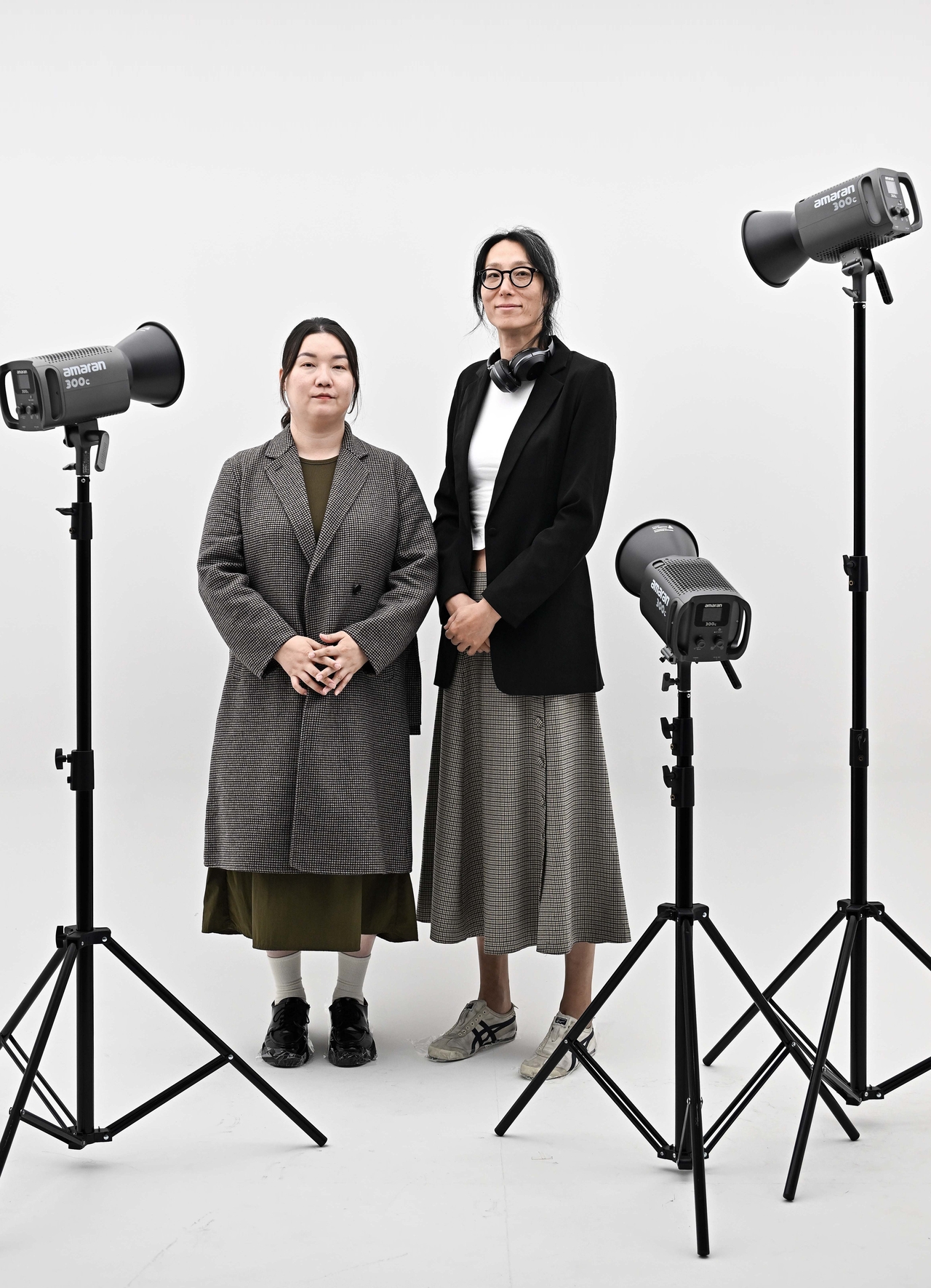
"Just as transgender people work to affirm themselves and make peace with who they are, I hope society can come to us in the same way." (Eddy)
Alice, too, said: "I hope the way transgender people are portrayed in film and content becomes a little more varied." Both hope that this hard-won record will carry forward — past Eddy and Alice, into the story of whoever comes next.
Despite countless prejudices and conflicting gazes, both have answered in their own language with clarity. Yet even in their lives, the hypothetical question remains: if you were born again, what kind of life would you want?
Alice named "a life where I don't have to agonize over gender" — "a life where I don't waste time on worries others never have to face, and can dream fully as myself." "I want to do ballet. Whether as a ballerina or a danseur, it doesn't matter."
It is for the same reason that Alice learns to dance in the film — someone who never had the chance to look at the body with tenderness or move it freely. Within a structured form, Alice dreams of freedom, and slowly befriends the body at last.
Eddy's answer was different. "Being born transgender again would be fine," Eddy said. But there is a wish: a life where gender identity is respected and more dreams are possible.
"It was hard, but I think that was because of the environment around me, not because of who I am. Without this identity, I never would have met Alice, or so many other people on the margins of society. I want to be born as Eddy again — in an environment that gives you a chance." (Eddy)
shee@heraldcorp.com




