
Fed announces overhaul of monetary policy operations
Warsh: non-decision meetings to focus on long-term strategy
Frequent decisions seen as fueling short-term market volatility
Wall Street: 'dovish' shift could slow inflation response
Fewer decisions may amplify market shock each time
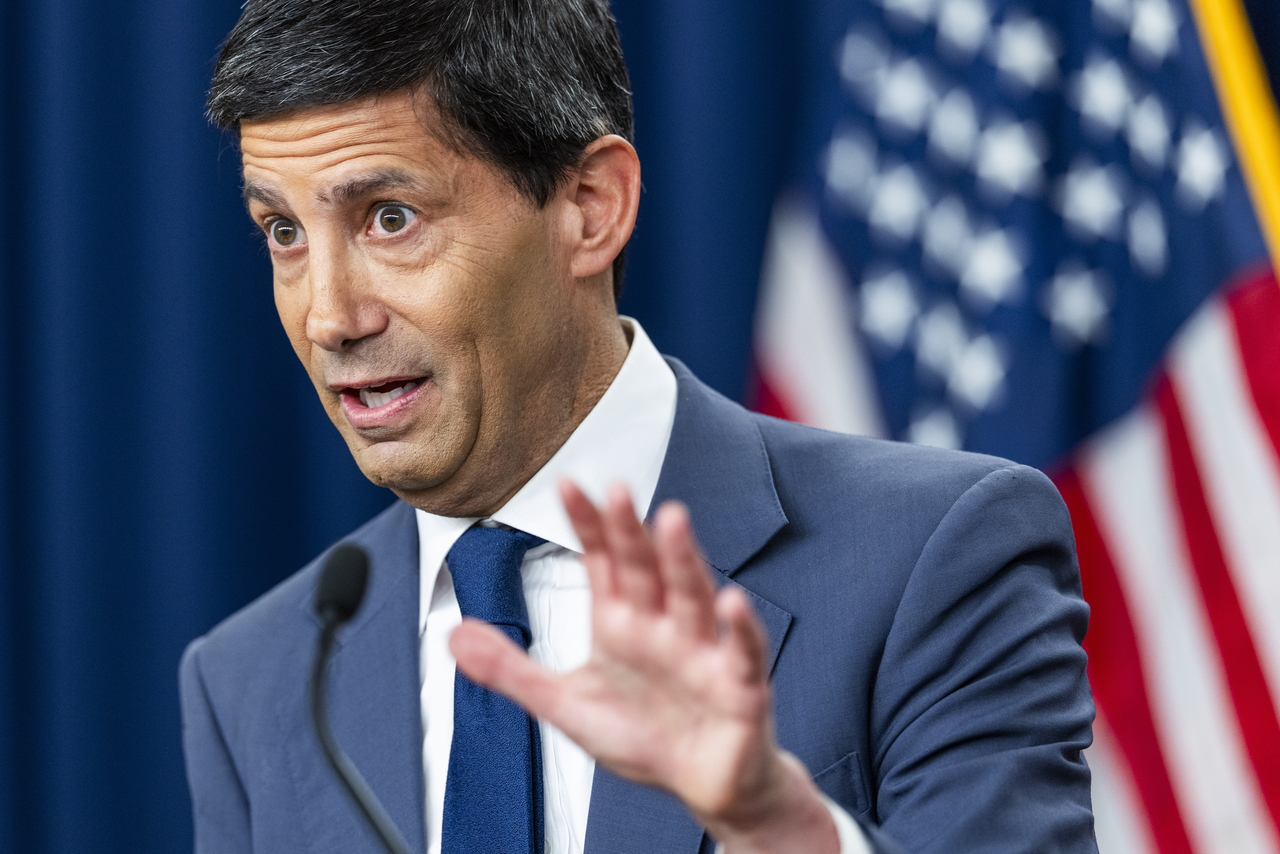
The Federal Reserve held its benchmark interest rate steady while announcing a plan to gradually reduce the number of rate-setting meetings each year, sending US Treasury yields in opposite directions depending on maturity. Some on Wall Street now expect the pace of any future rate increases to slow more than previously anticipated.
According to Bloomberg and other outlets, the Fed held its benchmark interest rate at 3.75 to 4.00 percent at Wednesday's FOMC meeting (local time). Fed Chair Kevin Warsh also announced that the number of rate-decision meetings would be cut from the current eight per year to seven in 2027 and six in 2028.
The total number of regular FOMC meetings will remain at eight annually. The sessions freed from rate decisions — one next year and two in 2028 — will instead be devoted to discussing long-term monetary policy strategy and broader economic issues. The change marks the first significant shift in the Fed's rate-setting framework since 1981, ending a 45-year-old practice.
Steve Englander, head of G10 foreign-exchange research at Standard Chartered, said markets had begun moving after interpreting the scheduling change as "dovish."
Some analysts say the reduction in rate-decision meetings could amplify the market impact of each individual decision. The Wall Street Journal noted that fewer meetings would give policymakers more time to assess economic conditions in depth, but that paradoxically each meeting would carry greater weight, potentially intensifying market reactions whenever a rate decision is made.
NBC News also highlighted concerns that fewer scheduled rate decisions could make it harder for the Fed to respond swiftly to unexpected economic shifts. Analysts warned that reduced policy flexibility could heighten financial market volatility at each meeting.
Some observers said markets were already showing unease at Warsh's announcement. Kevin Flanagan, head of fixed-income strategy at WisdomTree, said the bond market was "questioning why you need to have eight meetings if one of them is not going to have a public announcement." Flanagan said Treasuries had been broadly stable after the Fed held rates as expected, but that long-dated yields rose on the announcement that the number of rate decisions would be cut the following year. The market's view that one fewer rate-setting meeting would increase volatility and uncertainty drove the move in longer maturities, Flanagan said. The yield on the 30-year Treasury rose 5.3 basis points — from 5.32 percent to 5.37 percent — after the FOMC announcement.
Some economists, however, argued that fewer rate decisions could actually improve the effectiveness of monetary policy. A longer interval between meetings would allow policymakers to gather more economic data and gain a clearer picture of meaningful shifts in economic conditions, they said.
Supporters of the change also pointed out that the Fed retains the ability to convene emergency meetings when economic conditions require urgent action — a step it has taken on multiple occasions in the past.
Bloomberg noted that reducing the number of rate decisions is something of a signature idea for Warsh. Meeting minutes show that at the July meeting, Warsh had already raised the possibility of cutting the Fed's annual policy meetings from eight to six, arguing that fewer meetings would allow more information and data to accumulate between sessions.
In 2014, Warsh conducted a transparency review of the Bank of England — widely known as the "Warsh Review" — in which Warsh recommended cutting Monetary Policy Committee meetings from 12 to eight per year, arguing that overly frequent meetings generated short-term market volatility and fatigue. Mark Carney, then Bank of England governor and now Canada's prime minister, accepted the recommendation, and the Bank of England reduced its rate decisions to eight per year starting in 2016.
The first FOMC meeting without a rate decision under Warsh's plan is widely expected to fall in October next year. Omair Sharif, president of research firm Inflation Insights, said the October meeting was likely to be the first without a rate discussion because it falls between two meetings at which quarterly economic projections are released. In a note to customers, Sharif said the change "means a 12-week gap between potential policy changes, but it also means getting two looks at inflation reports and other data rather than one, given next year's calendar."
mokiya@heraldcorp.com




