
First touchscreen MacBook Pro arrives with M5 Pro and Max chips
Starts at 4.79 million won in South Korea; launches Nov. 6
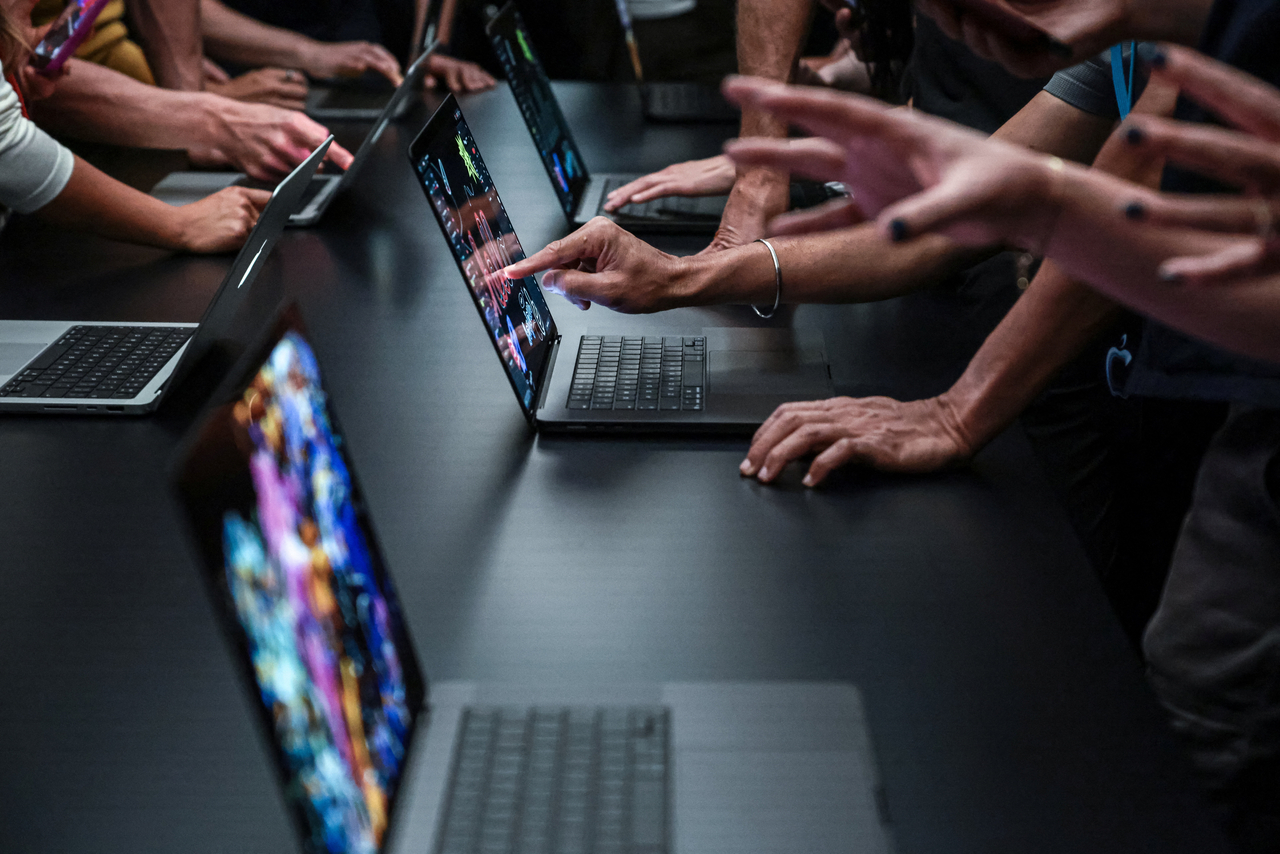
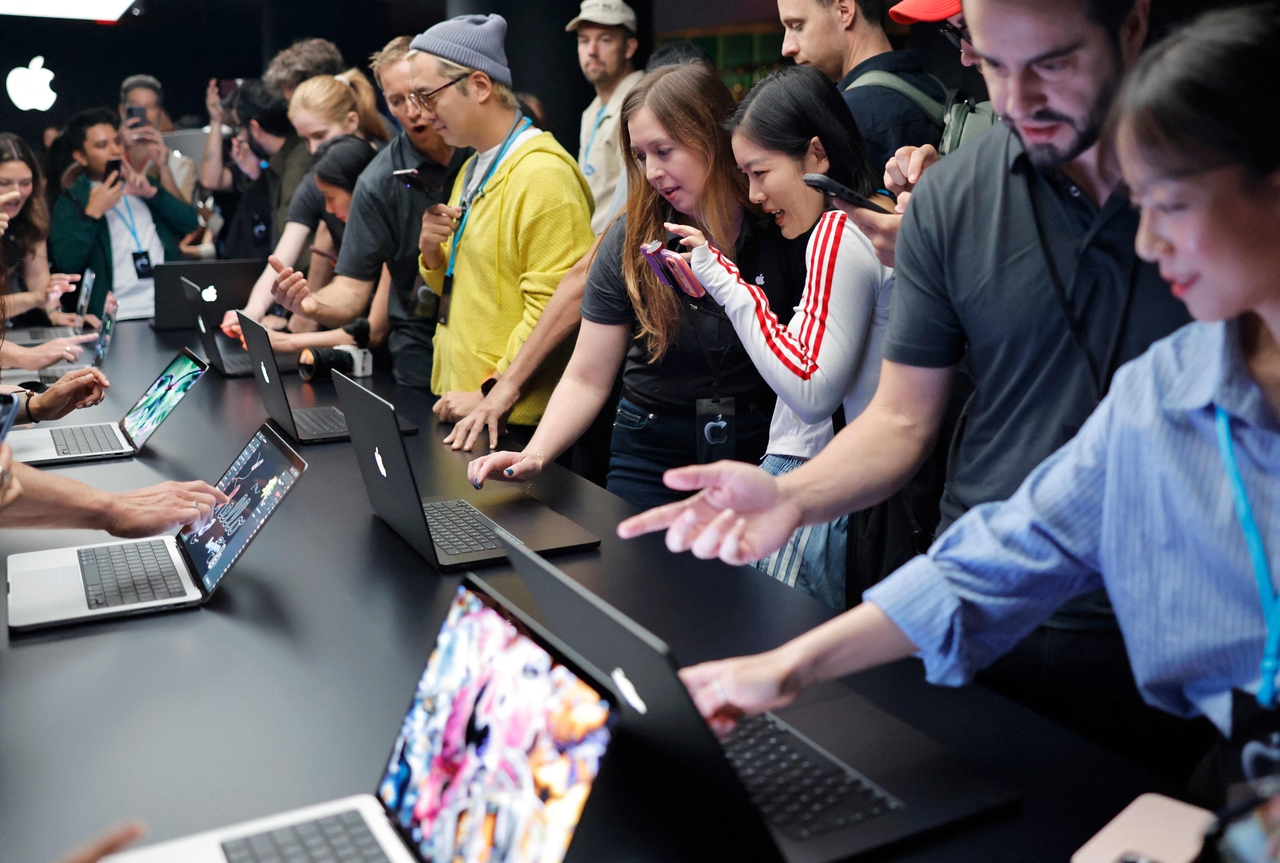
Apple has broken a design principle it maintained for two decades, unveiling a MacBook equipped with a touchscreen. The company had long insisted that touch input was unnecessary on Mac computers, but under its new CEO it has reversed course.
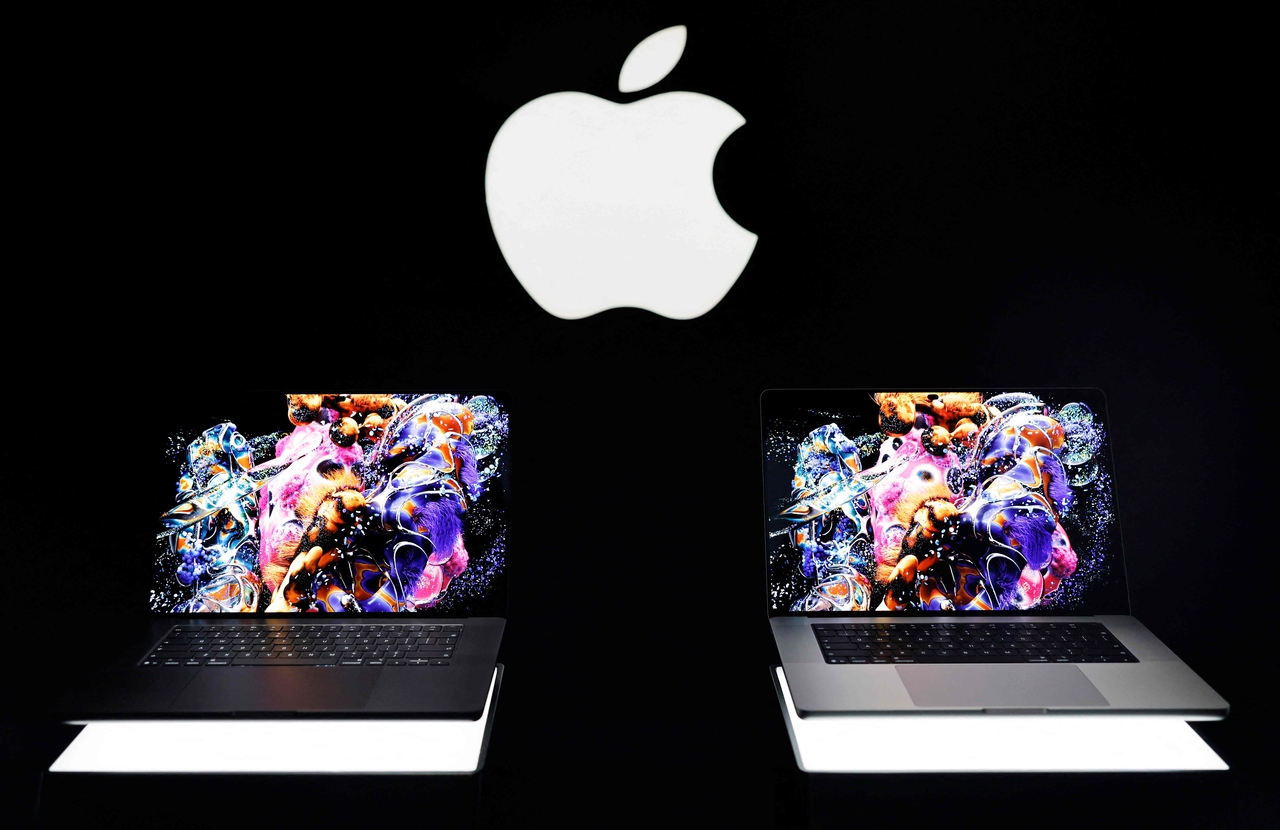
Apple held a product launch event in the United States on Wednesday (local time), unveiling 14-inch and 16-inch MacBook Pro models featuring both a touchscreen and an OLED display. It marks the first time Apple has brought touchscreen capability to a Mac computer.
To reduce input lag, Apple integrated the touch sensors directly inside the display panel rather than attaching them separately to the screen surface, minimizing the delay that occurs when a user manipulates the screen with a finger.
Display performance has also been upgraded. Peak brightness reaches 2,000 nits, with a contrast ratio of 10,000,000:1. The new models also bring Dynamic Island — the iPhone feature that shows notifications and live activity updates — to the Mac for the first time.
Both models are lighter than their predecessors, improving portability. The 14-inch model weighs 1.38 kilograms, down 220 grams, while the 16-inch model comes in at 1.82 kilograms, a reduction of 320 grams. Thinner bezels have allowed the actual display area to grow to 14.2 inches and 16.3 inches, respectively. Battery life extends up to 24 hours.
The new MacBook Pros are powered by Apple's latest chips, the M5 Pro and M5 Max, which deliver enhanced AI processing and graphics performance. The machines can also run large language models with hundreds of billions of parameters locally, without relying on external servers.
In South Korea, pre-orders open Friday, with the official launch set for Nov. 6. The 14-inch M5 Pro model starts at 4.79 million won ($3,620), while the 16-inch M5 Pro model starts at 5.59 million won. In the United States, the two models are priced from $2,899 and $3,399, respectively.
The launch has drawn attention as a sign of a shift in Apple's long-held design philosophy. Since releasing the first MacBook in 2006, the company had consistently favored keyboard, mouse and trackpad input over direct touchscreen interaction.
Apple CEO John Ternus had himself, as recently as 2021 while leading the hardware division, stated that there was no need to bring touch input to Mac computers.
In a media interview at the time, Ternus said the iPad was optimized for touch interaction, while the Mac was better suited to indirect input methods such as a mouse and trackpad, and that there was no reason to change that structure.
Apple co-founder Steve Jobs once called laptop touchscreens "ergonomically terrible" in 2010, and then-CEO Tim Cook said in 2012 that combining the two would be "as awkward as a toaster and a refrigerator."
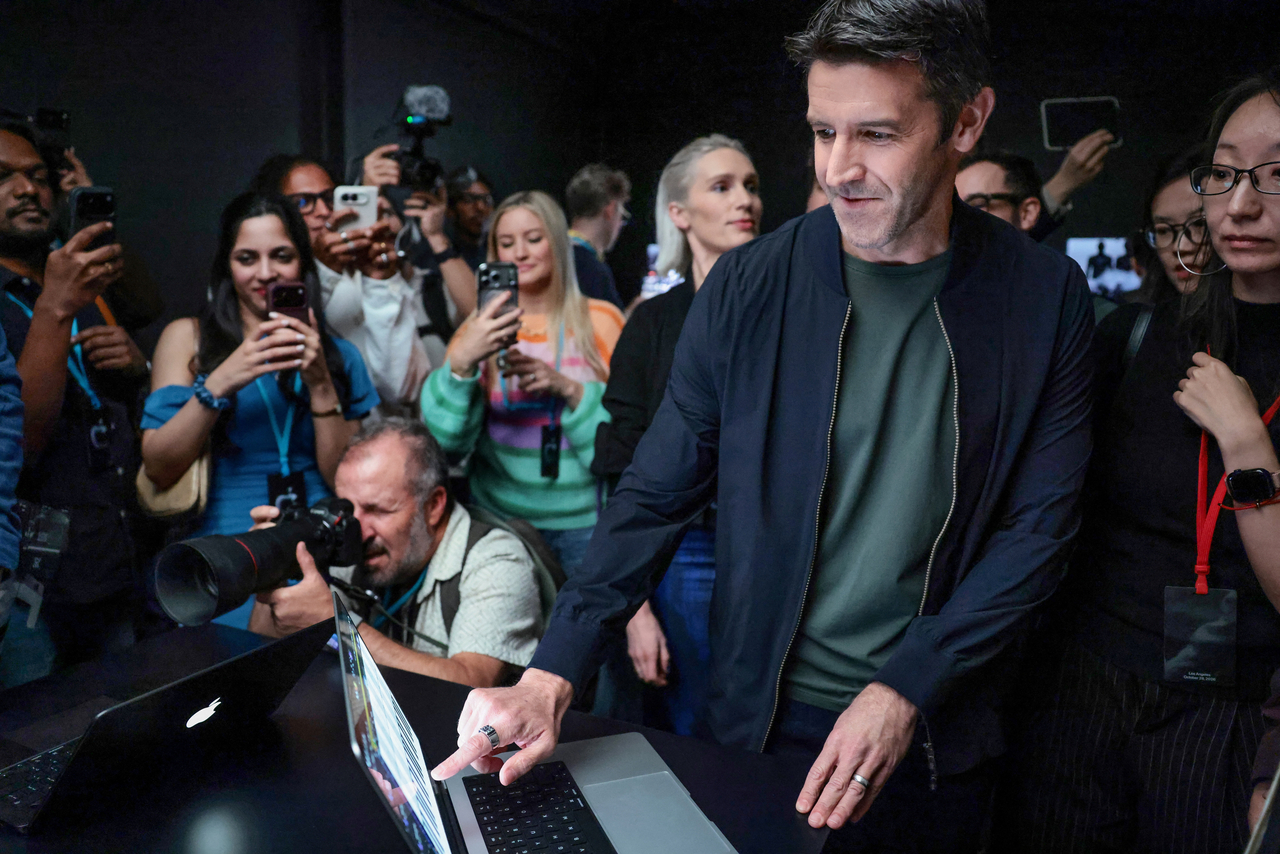
At Wednesday's event in Los Angeles, however, Apple signaled a clear change of position. "Yes, we are bringing touch to the Mac for the first time," Ternus said as he introduced the new MacBook Pro.
Some analysts suggest the reversal was driven in part by a sluggish PC market and pricing strategy — critics say Apple raised the MacBook Pro's price amid headwinds including a global decline in PC shipments and a shortage of memory chips.
Apple executives, however, attributed the move to advances in technology and consumer demand. In an interview with US technology publication Wired, Ternus said adding touch did not make the product heavier or thicker, and pointed to the adoption of OLED displays as a key enabling factor.
woo@heraldcorp.com




