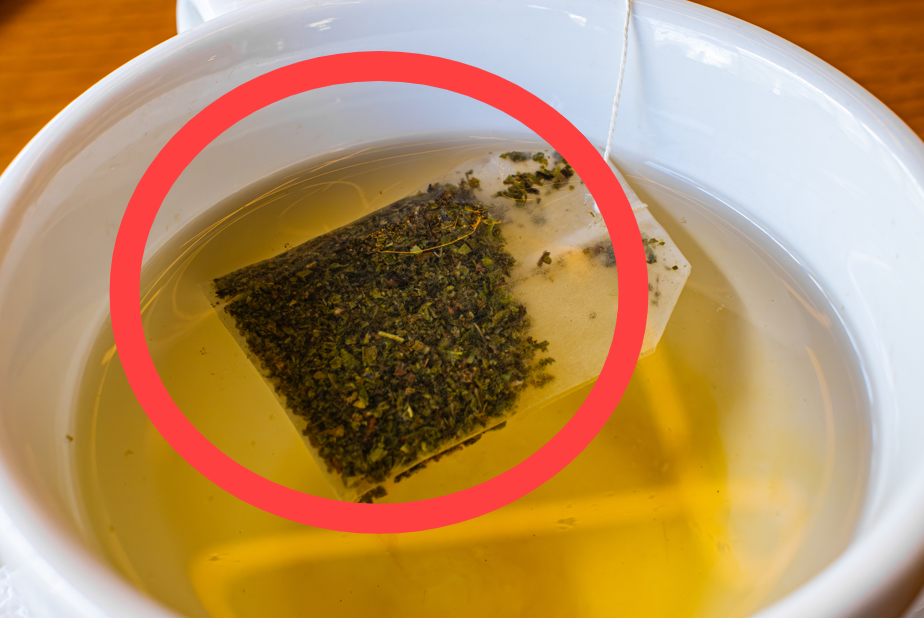
All you wanted was a healthy cup of tea.
As the weather turns cold, tea bags become a go-to comfort. Drop one into a mug, pour in hot water, and a gentle aroma fills the room within seconds.
The options are endless — green tea, black tea, herbal blends. No loose leaves to fuss over, just a simple, convenient brew.
But few people realize that a cup made this way may contain something entirely unintended.
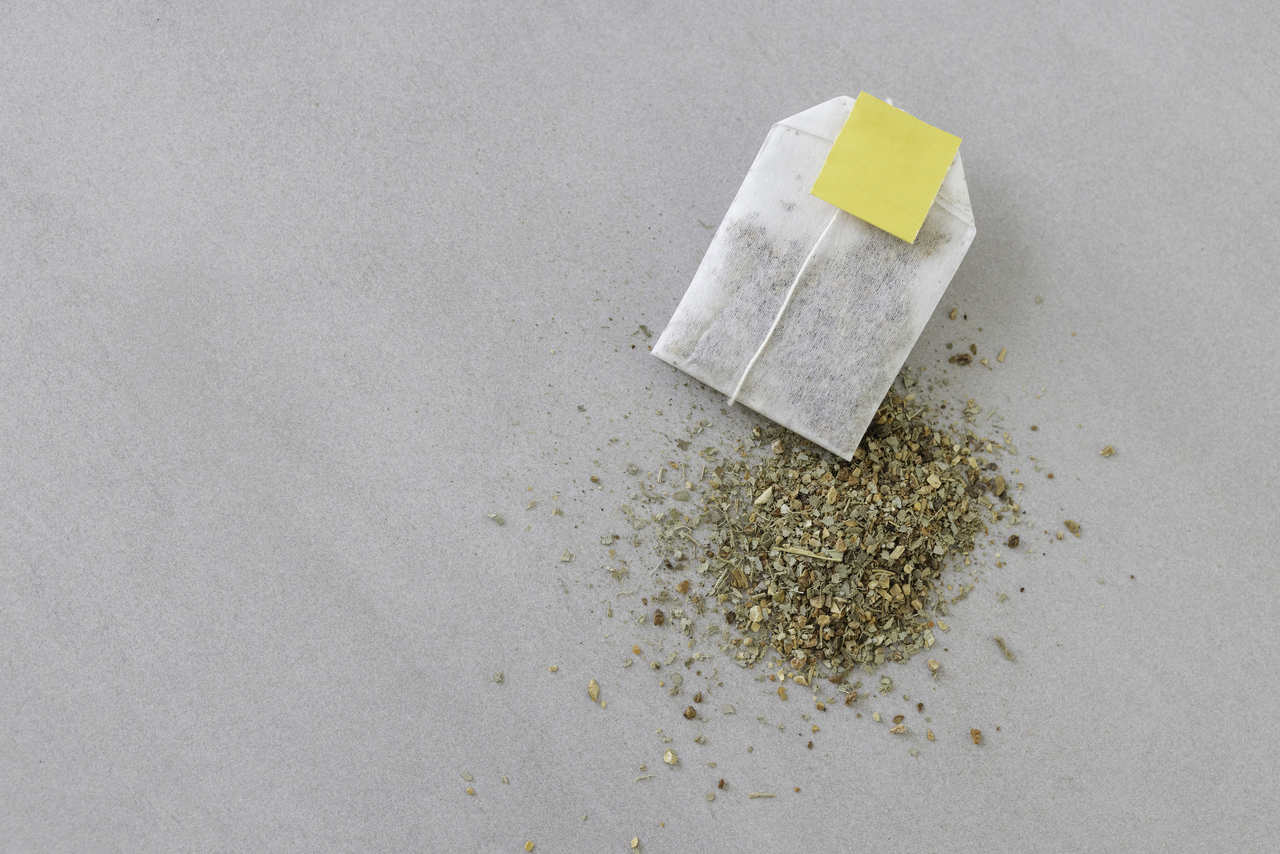
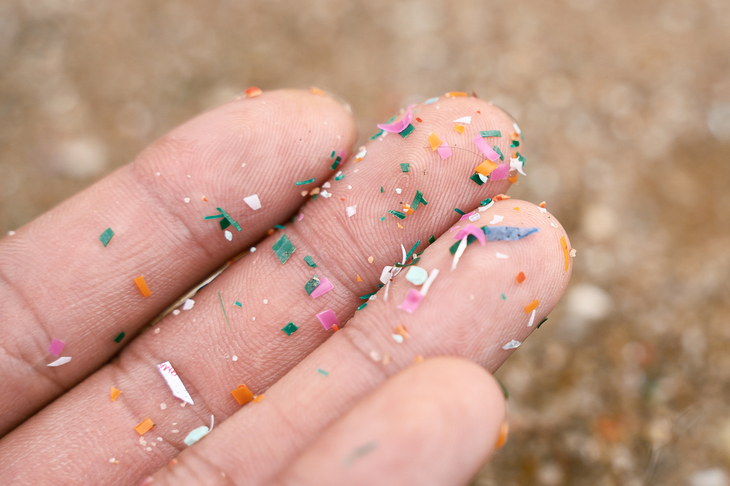
The culprit is microplastics. A growing body of research suggests that simply steeping a tea bag in hot water can release vast numbers of plastic particles into the liquid.
What makes the findings particularly striking is that the phenomenon has been observed not only in plastic tea bags, but in paper ones as well.
In a study published in the international journal Scientific Reports in September, researchers at Kyungpook National University found suspected microplastic particles in all eight commercially available tea bag products they tested.
The researchers removed the tea leaves from each bag, then steeped the empty bags in 95-degree Celsius water for 10 minutes. They collected the particles that remained in the water and analyzed them using fluorescence microscopy and other techniques.
The results estimated that a single tea bag released approximately 1,200 to 13,700 suspected microplastic particles — a difference of up to 11.5 times depending on the product.
Particularly noteworthy was the identity of the worst offender: a paper tea bag coated with polylactic acid, or PLA, a biodegradable plastic. The finding suggests that using an eco-friendly material does not necessarily mean fewer microplastics are released.
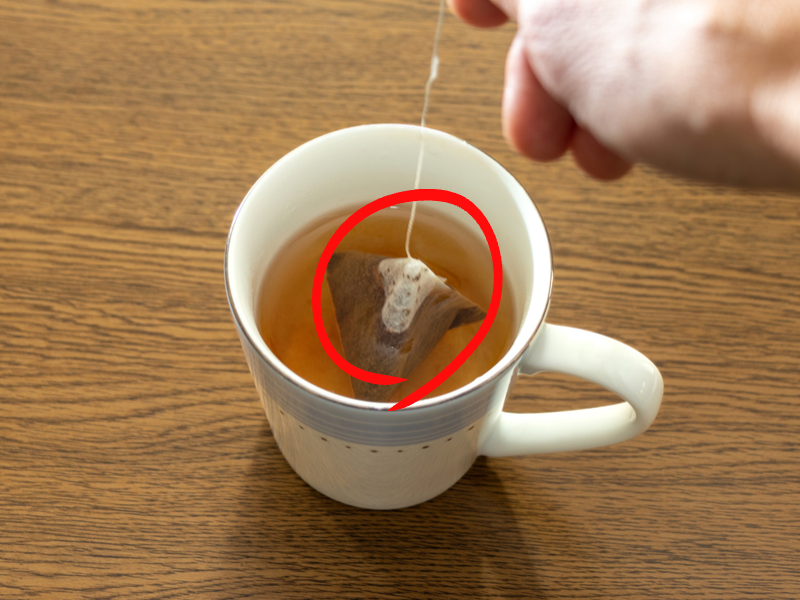
Why would plastic turn up in a paper tea bag? The answer lies in how tea bags are made. A tea bag must hold its leaves securely even when submerged in boiling water, which requires the edges to be tightly sealed.
To achieve this, some manufacturers use plastic materials such as polypropylene. The plastic may be blended into the paper fibers or used as a heat-bonding adhesive along the seams.
The same applies to PLA, the material used in many eco-friendly products. Although PLA is derived from plant sources such as corn and sugarcane, it is still a form of plastic. The fact that it can biodegrade under specific conditions does not mean it stops releasing microplastics when steeped in hot water.
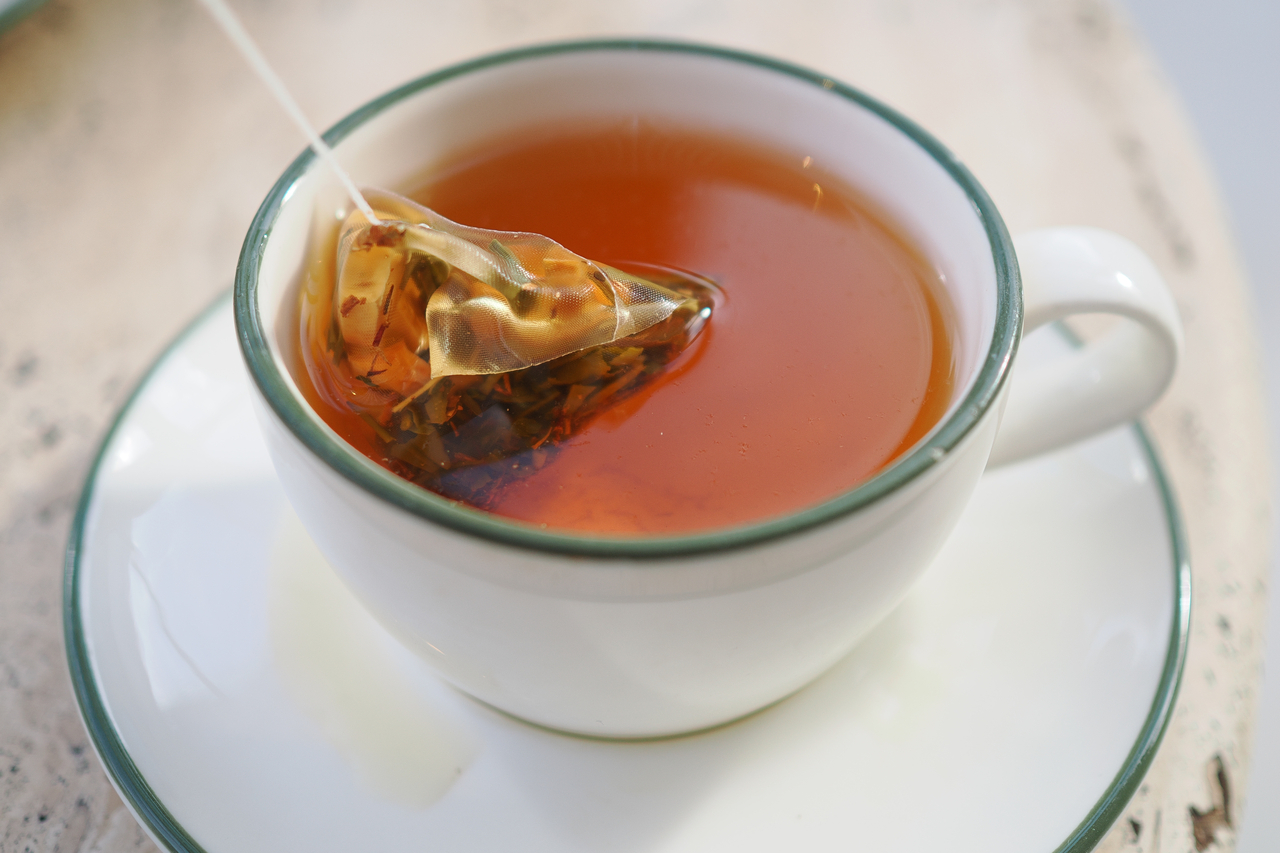
In short, two paper tea bags that look identical on the outside may differ significantly in their plastic content depending on the materials used. And microplastics are not the only concern.
In October, researchers at Recep Tayyip Erdogan University in Turkey published a study in the international journal npj Science of Food examining 14 brands of tea bag products and 14 brands of loose-leaf tea sold on the market.
Among them, four brands using plastic tea bags were steeped in water at around 95 degrees Celsius for three minutes. The results showed an average of 555 to 2,498 microplastic particles per cup, varying by brand.
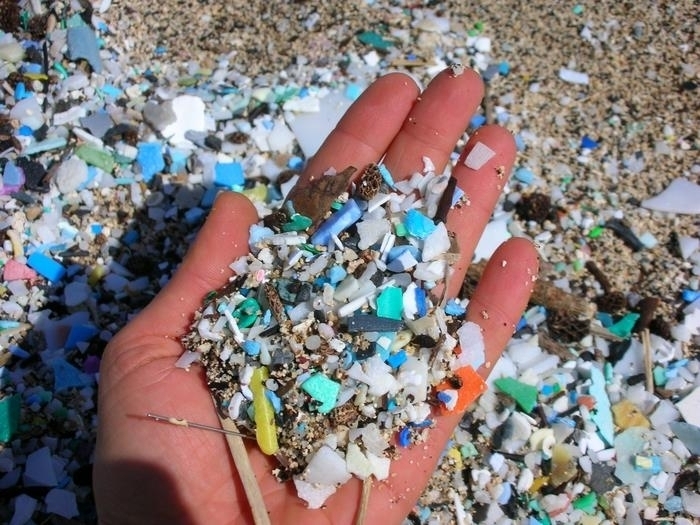
The brewed tea also tested positive for bisphenol A, or BPA, and phthalate plasticizers — some of which are known to interfere with the body's normal hormonal function.
The detection of these substances alone does not prove they cause harm to the human body. The health impact depends on the type of substance and the level of exposure, among other factors.
Still, the possibility of exposure to unwanted chemicals in a drink consumed for its health benefits is worth taking seriously. Research also indicates that how a person brews their tea can affect how many microplastics end up in the cup.
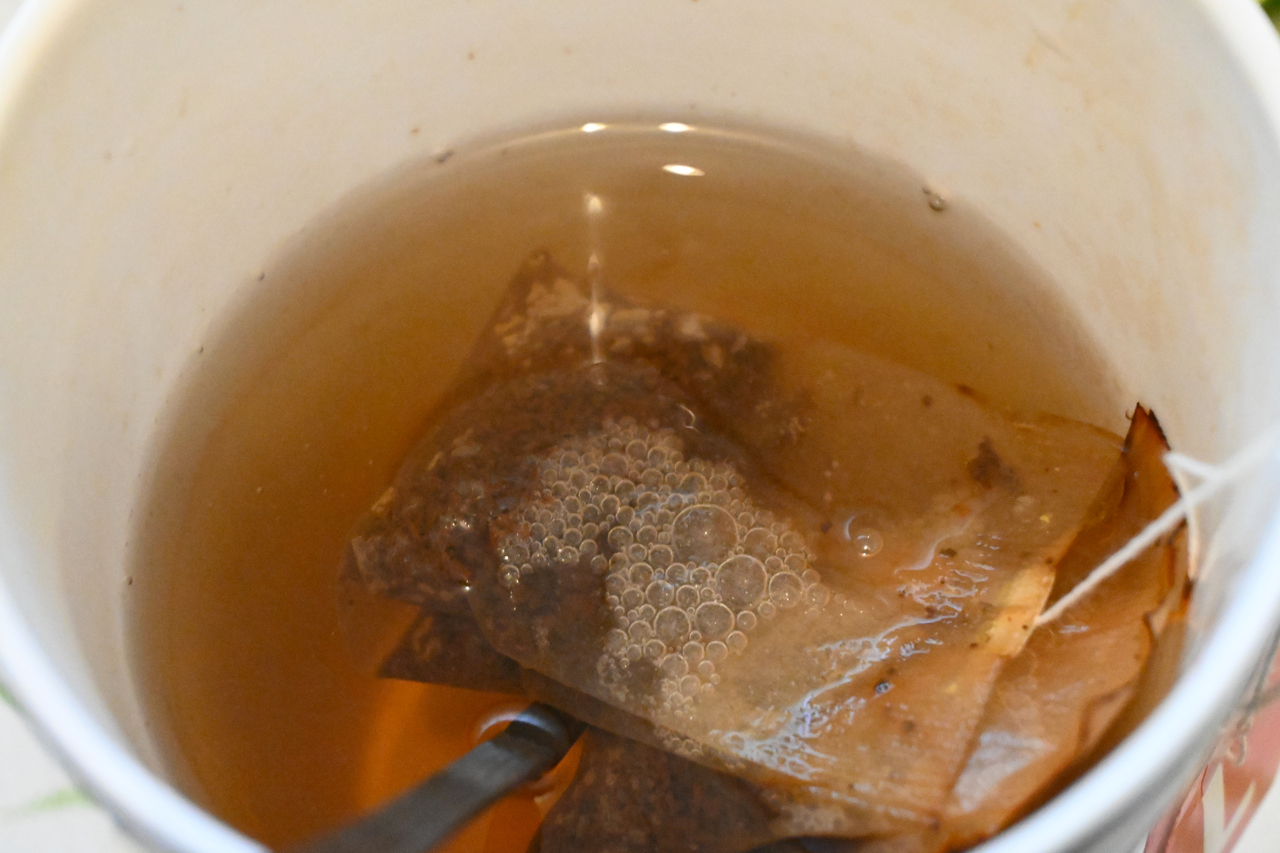
A study published last year in the international journal Polymers analyzed particle release from eight types of tea bag materials — including nylon, polypropylene and cellulose — across varying water temperatures and steeping times.
The findings showed a clear trend: the hotter the water and the longer the steeping time, the higher the concentration of particles released. Some experiments, however, ran considerably longer than a typical cup of tea would take to brew.
Similar results have been confirmed domestically. A 2024 investigation by the Seoul Metropolitan Government's Institute of Public Health and Environment tested 20 commercially available tea bag products and detected microplastics — including polypropylene and polyamide — even in paper tea bags.
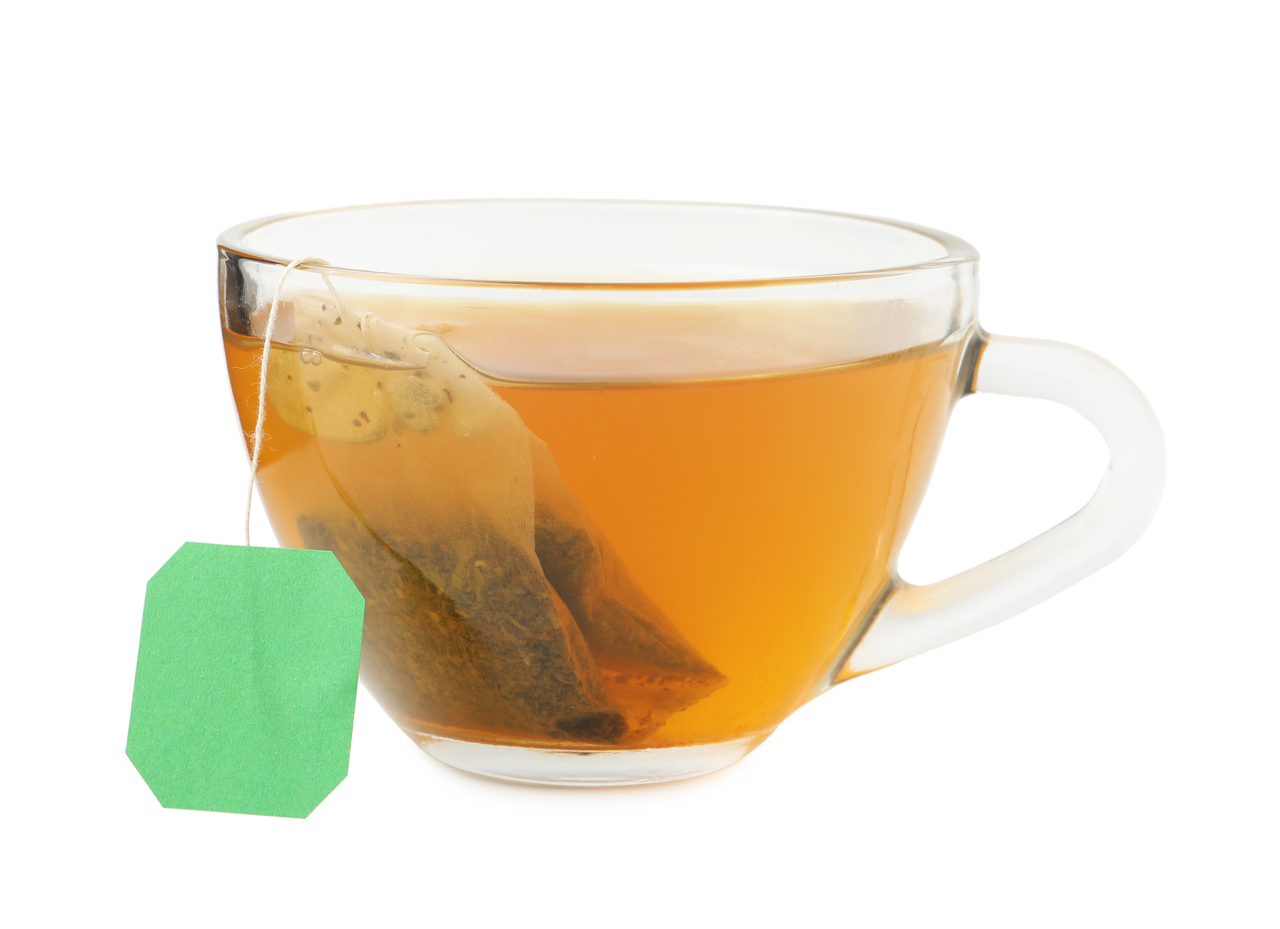
Steeping a bag in 100-degree water for 20 minutes produced two to four times more microplastics than following the brewing instructions on the packaging. The finding points to a common habit — leaving the tea bag in the cup until the last sip — as a potential source of increased microplastic exposure.
Research into the health effects of microplastics is still ongoing. Further study is needed to determine how much microplastic ingested from tea bags poses a health risk, and what the long-term effects of sustained exposure might be.
There are, however, findings that warrant concern. Multiple studies have raised the possibility that microplastics may adversely affect the intestines, lungs and reproductive organs. Some cell and animal experiments have observed intestinal inflammation, cellular damage, reduced lung function and changes in reproductive hormones.
So what can tea drinkers do to limit their exposure? The simplest step is to avoid leaving the tea bag in the water for too long. Removing it promptly after the recommended steeping time can reduce the additional particle release that comes with prolonged soaking.
Checking the materials in a tea bag is another option. Switching to loose-leaf tea brewed without a plastic filter can at least eliminate the microplastics that originate from the bag itself.
Jung Hee-jeong, a researcher at the Seoul Metropolitan Government's Institute of Public Health and Environment, said in a 2024 research note: "To reduce microplastic exposure when drinking tea, we recommend not leaving the tea bag in the cup throughout the entire time you are drinking — instead, brew it according to the instructions on the packaging and remove it immediately."
woo@heraldcorp.com