Six-month quinolone regimen analyzed in clinical settings
15 hospitals take part in treatment outcome, side-effect comparison
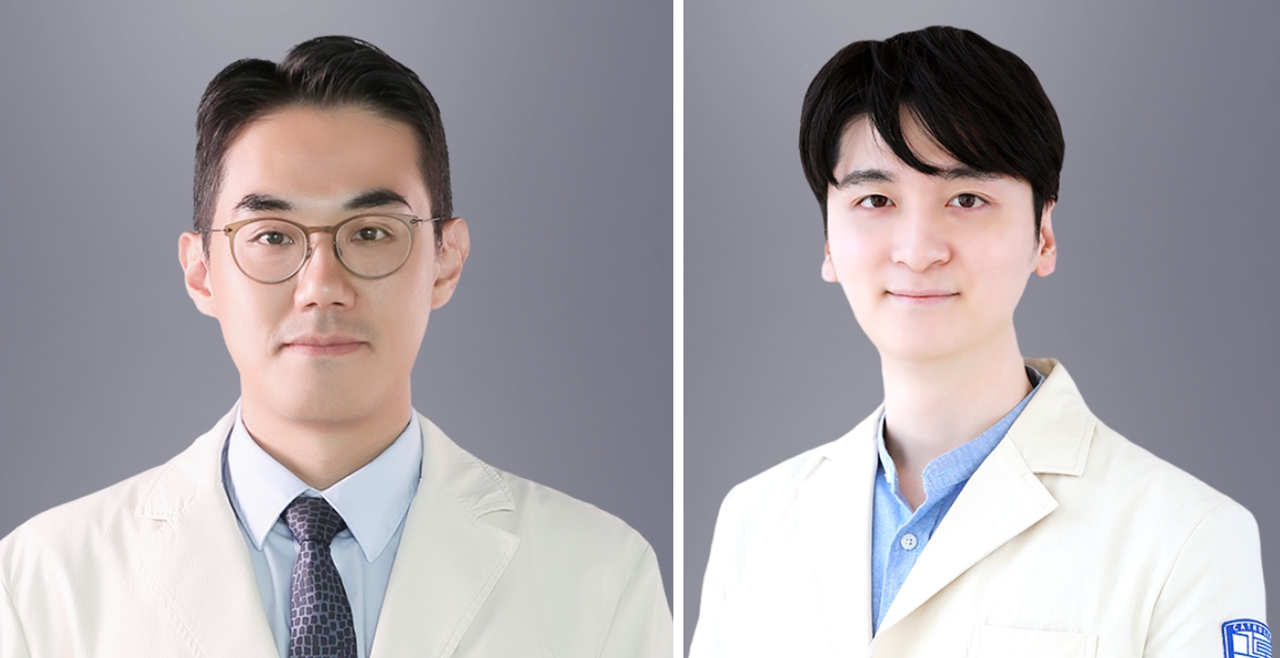
Korean researchers have confirmed the efficacy and safety of a tuberculosis treatment recommended by the World Health Organization in a real-world clinical setting, finding no statistically significant difference in treatment outcomes or adverse event rates compared with a conventional regimen.
Seoul St. Mary's Hospital of the Catholic University of Korea announced Wednesday that a research team led by Professor Min Jin-su of the respiratory medicine department had published findings evaluating the effectiveness and safety of a six-month regimen incorporating quinolone antibiotics for patients with isoniazid-resistant pulmonary tuberculosis.
Isoniazid is a key antibiotic used in tuberculosis treatment. When resistance to the drug develops, standard first-line therapy alone is often insufficient to eliminate the bacteria.
WHO recommends a six-month regimen that adds a quinolone antibiotic to rifampicin, ethambutol and pyrazinamide for isoniazid-resistant tuberculosis. However, prospective clinical evidence evaluating the regimen's efficacy and safety in real-world practice had been limited.
The research team observed 2,871 adult pulmonary tuberculosis patients at 15 hospitals participating in the national tuberculosis management program between 2016 and 2024, comparing treatment outcomes among the 99 patients confirmed to have isoniazid-only resistance.
Of the total, 55 patients received the six-month quinolone-inclusive regimen, while the remaining 44 were treated without quinolone antibiotics.
The analysis found that the proportion of patients who did not relapse within 12 months of completing treatment was 70.9 percent in the quinolone group and 72.7 percent in the non-quinolone group. No statistically significant difference was found between the two groups, and the results held after adjusting for multiple variables.
Serious adverse event rates also showed no statistically significant difference. Severe adverse reactions occurred in 25.3 percent of all patients — 29.1 percent in the quinolone group and 20.5 percent in the non-quinolone group.
The research team said the study is significant as the first multicenter cohort study to prospectively evaluate the WHO-recommended regimen in a real-world clinical setting. However, they added that further verification is needed, as treatment regimens were not randomly assigned and the study population was limited to 99 patients.
"Isoniazid-resistant pulmonary tuberculosis is the most common form of drug-resistant TB, yet clinical evidence from real-world practice has been lacking," Professor Min said. "This study confirms that the WHO-recommended six-month regimen can be applied effectively and safely in Korean patients."
Professor Lee Jong-min of the respiratory medicine department at Seoul St. Mary's Hospital served as first author on the study, which was recently published in the international journal European Journal of Clinical Microbiology & Infectious Diseases.
Meanwhile, Min's research team secured a 780 million won ($590,000) grant in May for an "asymptomatic tuberculosis cohort study" project overseen by the Korea Disease Control and Prevention Agency's National Institute of Health. The team plans to use a domestic multicenter network through 2028 to analyze the characteristics of asymptomatic tuberculosis patients and develop a management model for early diagnosis and treatment.
woo@heraldcorp.com