Analysis of 406 patients shows pain relief after one year
SVF group scores slightly lower on pain scale, but gap is small
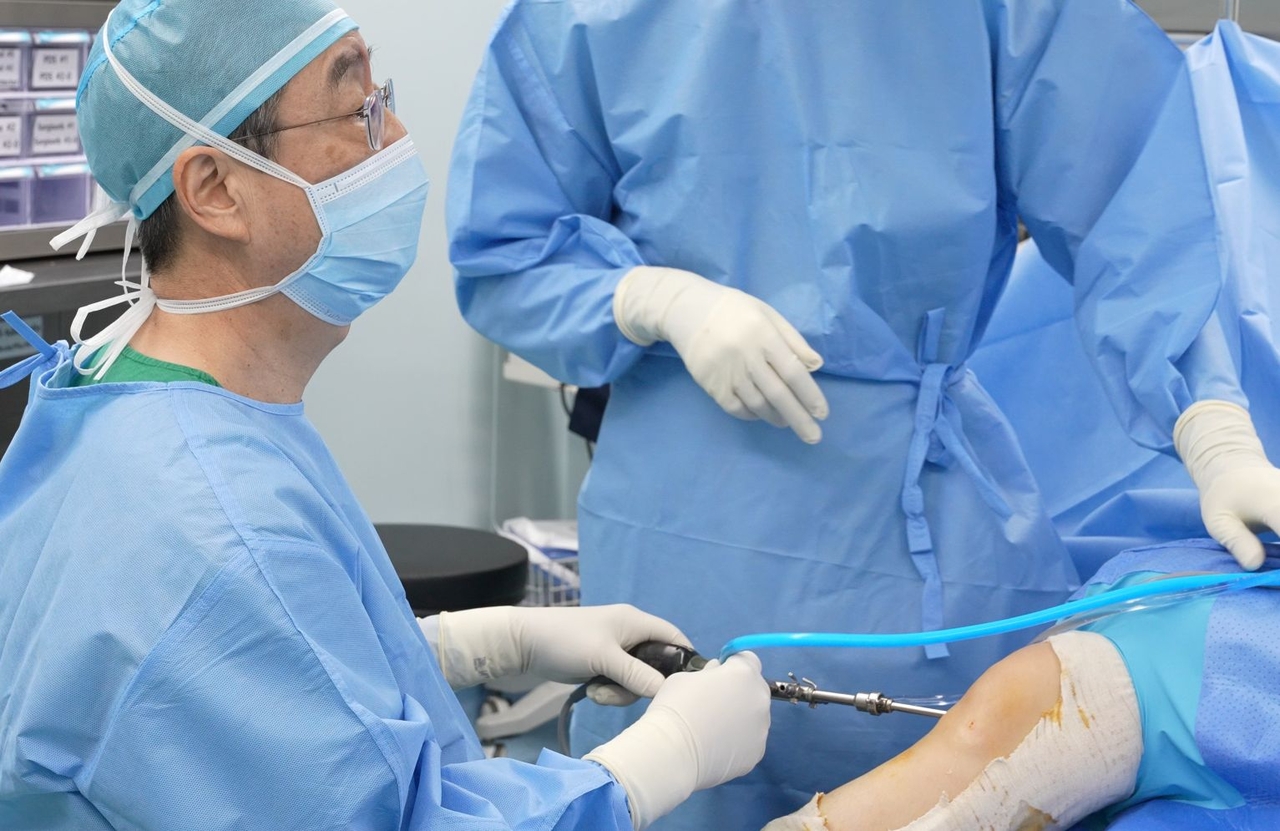
Both stromal vascular fraction (SVF) injections derived from a patient's own fat tissue and arthroscopic treatment reduced pain in patients with degenerative knee osteoarthritis, according to a new study. The SVF injection group recorded slightly lower pain scores, but the difference was not large enough to be clinically meaningful to patients.
Yonsei Sarang Hospital said Friday it had published research comparing treatment outcomes in 406 patients with degenerative knee osteoarthritis in the international journal Medicina.
The study enrolled patients with moderate-stage degenerative knee osteoarthritis whose symptoms persisted despite at least three months of conservative treatment. The research team analyzed 12-month outcomes for 203 patients in each group — arthroscopy and SVF injection — after accounting for 13 characteristics including age, sex, body mass index and pre-treatment pain levels.
Arthroscopic treatment works by clearing damaged tissue inside the joint to reduce physical irritation. SVF injections involve extracting fatty tissue from the patient's abdomen or buttocks, isolating a cell population from it, and injecting that material into the knee joint.
Both groups showed lower pain scores at 12 months compared with before treatment. On a 10-point scale, the arthroscopy group's average pain score fell from 6.62 before treatment to 2.42 at 12 months. The SVF injection group saw a comparable decline, from 6.57 to 2.17.
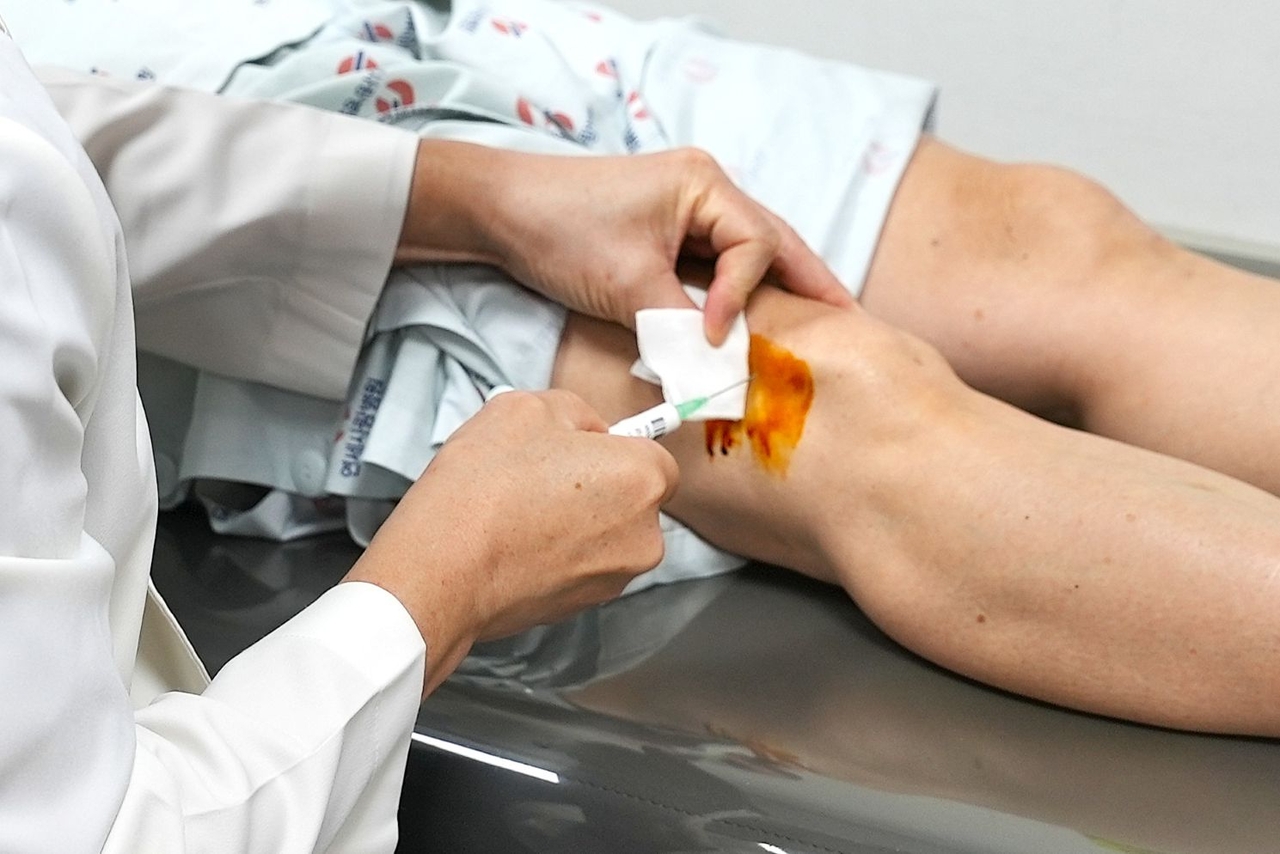
At the six-month and 12-month marks, the SVF injection group showed statistically significantly lower pain scores than the arthroscopy group. However, the differences were just 0.22 and 0.26 points respectively, which the researchers said is unlikely to represent an improvement that patients would actually feel.
The rate of arthritis progression also showed no statistically significant difference between the two groups — 27.6 percent in the arthroscopy group and 24.1 percent in the SVF injection group.
The rate of conversion to joint replacement surgery was lower in the SVF injection group at 6.4 percent versus 12.3 percent, but that difference was also not statistically significant, meaning the data do not support a conclusion that SVF injections reduce the need for joint replacement surgery.
The study is notable for comparing real-world clinical outcomes of the two treatments. However, it has limitations: patients were not randomly assigned to treatment groups, making it a retrospective study, and the follow-up period was limited to 12 months.
Ko Yong-gon, director of Yonsei Sarang Hospital, said the study "does not demonstrate the superiority of either treatment or prove a cartilage regeneration effect," adding that "further verification through long-term prospective research is needed to assess functional recovery and structural changes in the joint."
The findings were published online in Medicina on Oct. 23.
Meanwhile, Yonsei Sarang Hospital published a separate study in June analyzing pain changes following SVF injection treatment. That retrospective study of 146 knee osteoarthritis patients found that average pain scores dropped from 6.5 before treatment to 3.1 at the final follow-up, with patients reporting meaningful pain relief after an average of 18.9 days.
woo@heraldcorp.com