AI integration to span development, production, vehicle computing and customer experience
Virtualization and digital thread to accelerate development and manufacturing innovation
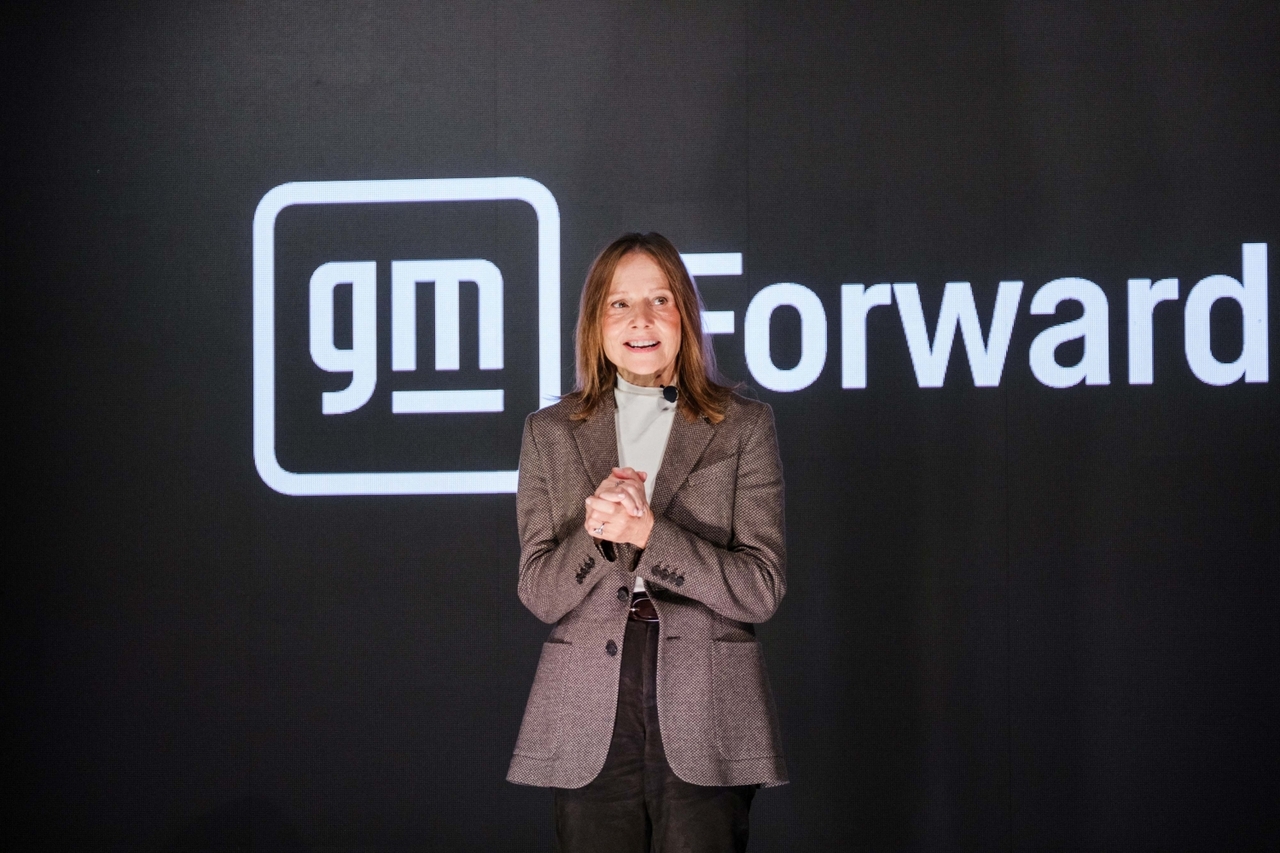
General Motors held its "GM Forward" event in New York on Wednesday (local time), gathering Chair and CEO Mary Barra and other senior executives to lay out the company's vision for redefining vehicle capabilities, development and manufacturing processes, and customer experiences through AI — and for extending those technologies to more models and customers.
GM aims to apply AI across its vehicles and manufacturing operations to transform development and production, delivering better, safer and more capable products to customers more quickly. Underpinning that ambition is an integrated AI strategy combining a common computing platform, a proprietary data pipeline and specialized AI models — technologies the company plans to embed throughout both the vehicle-building process and the customer experience.
In vehicle development and manufacturing, GM will use AI, virtualization and digital thread technologies to accelerate design and validation. The company also plans to connect design, engineering and production from the earliest stages, enabling new technologies to roll out rapidly across different models and production sites. The approach is intended to improve efficiency and lay the groundwork for bringing products to market faster.
On the electric vehicle front, GM will build on its fourth-generation EV platform by incorporating lithium manganese-rich (LMR) batteries and new drive units to cut costs and improve performance, while broadening the reach of its EV technology.
Vehicles themselves will evolve to run AI features and autonomous driving systems through a software-defined platform and centralized computing architecture. By connecting core vehicle functions through an integrated computing foundation and continuously refining capabilities via software updates, GM aims to create vehicles that grow more intelligent over time.
Building on this, GM plans to introduce highway autonomous driving capability in the Cadillac Escalade IQ starting in 2028, then expand the feature to additional models, applying the computing capacity needed for AI and autonomous driving across its broader lineup.
AI will also change how customers use their vehicles and get around. OnStar AI will evolve into an intelligent connected service that understands vehicle status, features and the customer's situation to provide assistance when needed.
GM also unveiled "Concept Horizon," a reimagining of the vehicle interior for the autonomous era as a space for work, rest and leisure. Looking further ahead, the company presented a vision in which vehicles handle everyday errands and travel on their own, freeing up time that customers currently spend behind the wheel.
"The vision unveiled this time centers on connecting vehicle development, production, computing and customer experience into a single flow with AI at the core," a GM official said. "By combining these technologies, GM will develop vehicles more quickly and efficiently while continuously expanding the role vehicles play and the time customers can reclaim for themselves."
Meanwhile, GM is participating in the 2026 Korea Future Mobility Expo (DIFA 2026), held at Daegu Exco through Saturday, where it is showcasing its electrification technology and vehicle development capabilities as part of broader marketing efforts to strengthen customer brand touchpoints.
likehyo85@heraldcorp.com