New rule targets non-paying customers occupying seats
Elderly visitors blamed for leaving paying customers without a place to sit
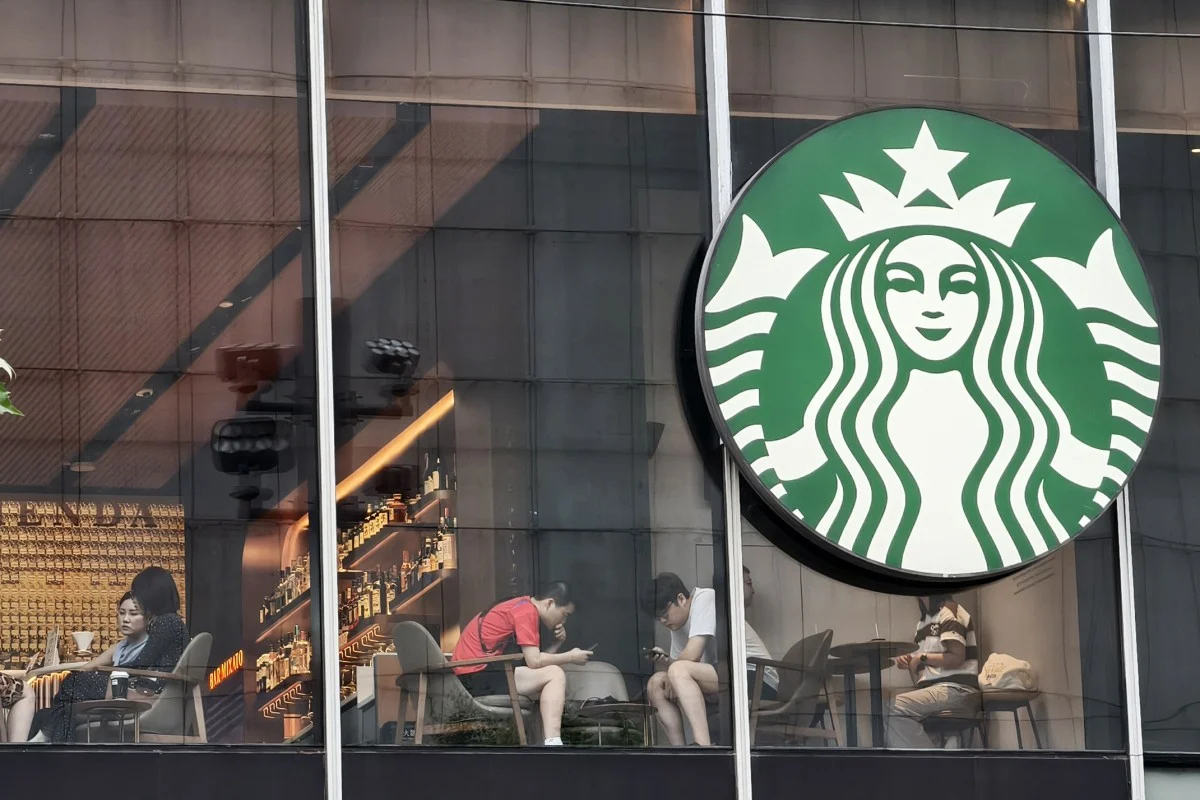
Starbucks China rolled out an "order first, then sit" policy at all its stores in China on Thursday.
The move aims to stop customers from occupying seats without making a purchase.
Starbucks China announced the policy Wednesday, according to Chinese financial outlet Caixin and the South China Morning Post.
Notices will be posted at each store reminding customers to place an order before taking a seat. However, the company added that priority seating will be given to those who need assistance, including pregnant women and customers with mobility difficulties.
Starbucks China has long struggled with visitors who occupy seats without buying anything.
Hong Kong's Ming Pao reported that during a visit to a Beijing Starbucks at peak hours, one in three customers was seated without having made a purchase.
In September, a Starbucks in Nanchong, Sichuan Province, drew online criticism after it chained its outdoor chairs and posted signs marking them as reserved for paying customers. The store said it had taken the step because elderly visitors were occupying the seats, leaving paying customers with nowhere to sit.
Starbucks also asked customers to keep their voices down during conversations, maintain a reasonable volume on electronic devices and refrain from bringing strong-smelling food into stores.
The policy sparked heated debate on Chinese social media platform Xiaohongshu. Some users said the policy was reasonable and common sense, and that it should have been introduced sooner.
In January last year, Starbucks North America reversed a roughly seven-year open-door policy that had allowed anyone to use its stores without making a purchase, shifting to a paying-customers-first approach.
Meanwhile, the move recalls a similar policy that Swedish furniture giant IKEA introduced in China years ago.
In October 2016, an IKEA in Shanghai announced that customers would need to buy food or drink before sitting in its cafeteria, after the space had become so crowded with elderly residents resting that it resembled a senior center. IKEA said it had acted after a string of complaints from regular customers and physical altercations over seating that required police intervention.
jshan@heraldcorp.com