Incheon airport capacity reviewed at national audit
7th airport development plan due in November
Phase 5 expansion project pushed for parallel pursuit
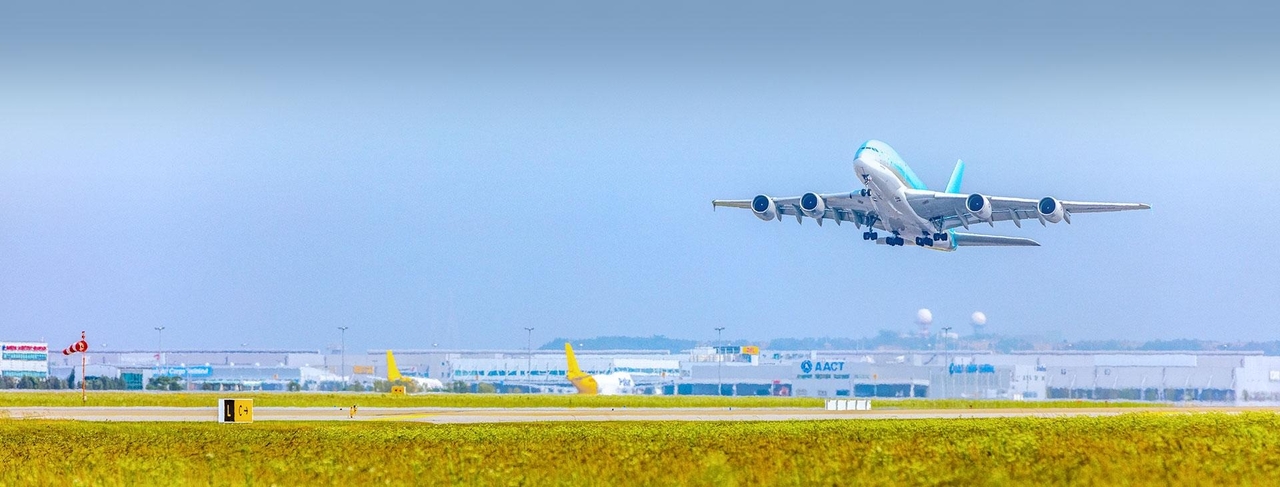
Calls have emerged for preemptive expansion of Incheon International Airport before its capacity reaches saturation, with lawmakers arguing that developing regional airports and pushing ahead with the airport's Phase 5 expansion must proceed in tandem — because by the time congestion sets in, it will be too late to act.
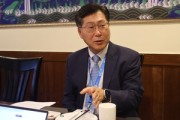
Jeong Il-young, a Democratic Party of Korea lawmaker on the National Assembly's Land and Transport Committee representing Incheon's Yeonsu-eul district, said Thursday at the national audit of the Ministry of Land, Infrastructure and Transport and Incheon International Airport Corp. that the government must verify the demand-diversion effect of new regional airports and clearly incorporate the Phase 5 project — including a fifth runway and a third passenger terminal — into the seventh comprehensive airport development plan due for release in November. Jeong previously served as head of the ministry's aviation policy bureau and as president of Incheon International Airport Corp.
The Phase 5 project is estimated to cost about 6 trillion won ($4.53 billion). Upon completion, the airport's annual passenger capacity would expand to about 131 million and its aircraft handling capacity to 830,000 flights. Jeong identified revitalizing regional airports alongside strengthening Incheon airport's international competitiveness as twin priorities to pursue simultaneously.
Jeong said he plans to verify whether the government is considering pushing back the projected saturation point for Incheon airport's passenger capacity from 2033 to 2038 — reflecting the opening of new regional airports — and to examine the basis and validity of the demand forecasts underpinning that assessment.
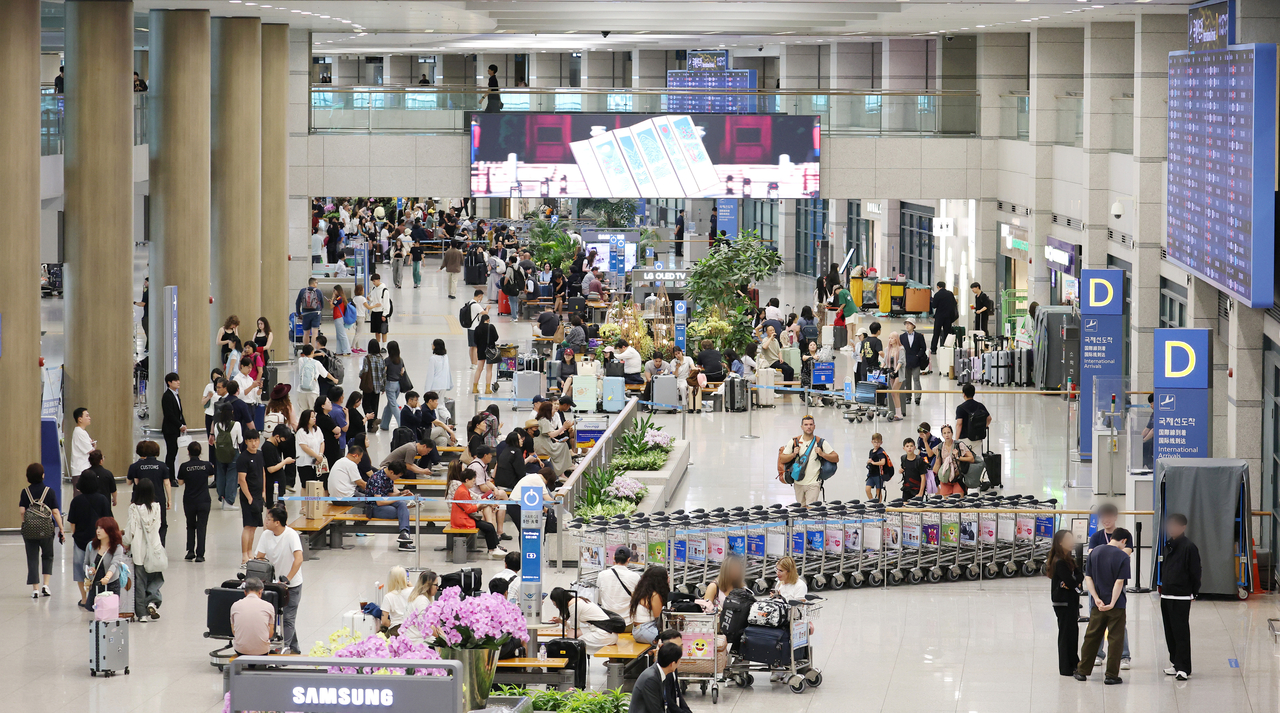
According to data submitted by Incheon International Airport Corp., 87.7 percent of domestic passengers using Incheon airport originate from the Greater Seoul and central regions. Given that long-haul international routes and transit demand must also be factored in, growth in regional airport use cannot be assumed to translate directly into an equivalent decline in Incheon airport traffic. Jeong called for demand forecasts that distinguish between passengers shifting to new regional airports and those representing genuinely new aviation demand, while also accounting for the possibility of delays in opening those airports.
Past demand forecasts for Incheon airport have diverged significantly from actual passenger numbers. According to airport corporation data, a 2012 projection estimated 2019 passenger traffic at about 53.1 million, but actual traffic reached about 71 million — some 17.9 million, or 33.7 percent, above the forecast. In 2016 and 2017, before Terminal 2 opened, annual passenger numbers exceeded the then-capacity of about 54 million, causing congestion and operational strain.
The roughly eight years required to complete the Phase 5 project is also cited as a key consideration. Terminal 1 is scheduled for renovation between 2028 and 2035, while the fourth runway is slated for upgrades in 2031–2032 and the third runway in 2032–2033. Given the operational constraints imposed by renovating existing facilities, securing new infrastructure on schedule is essential.
Jeong called on the government to spell out the direction and timeline for the Phase 5 project in the seventh comprehensive airport development plan covering 2026 to 2030, and urged the Ministry of Land, Infrastructure and Transport and Incheon International Airport Corp. to finalize phased construction schedules, financing plans and operational measures to manage the airport during the renovation of existing facilities.
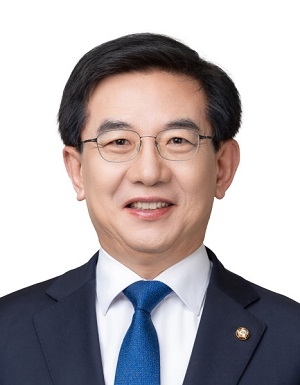
"In the past, Incheon airport suffered from facility shortages and congestion because actual passenger numbers far exceeded projections," Jeong said. "Because it is already too late to expand an airport after passengers have flooded in, we must prepare proactively with long-term demand in mind."
"Revitalizing regional airports and strengthening Incheon airport's international competitiveness are tasks that must be pursued together," he added. "The government must objectively verify the demand-diversion effect of new regional airports and incorporate the Phase 5 project — including the fifth runway and third terminal — along with its implementation schedule into the seventh comprehensive airport development plan without further delay."
terry@heraldcorp.com