From sheer fabrics to quilt-free designs, brands compete on materials and silhouette
Musinsa transactions jump 718%; ultralight technology drives new purchases
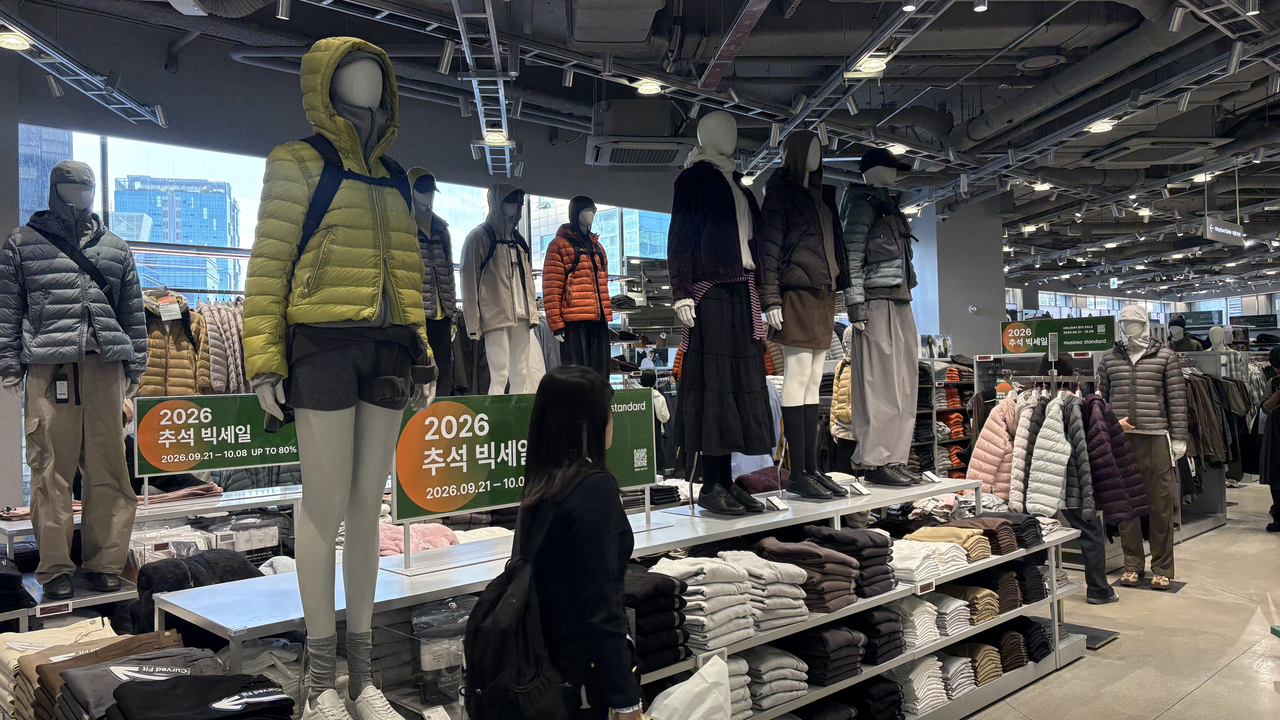
"See-through designs are the trend in puffer jackets these days," a Fila official said.
Transparent puffer jackets are having a moment this year. Instead of concealing the fill, brands are deliberately putting it on display. The once-dominant look — thick, structured silhouettes built to signal warmth — is giving way to something new. Lightweight puffers that use fabric texture and material character as design elements are drawing fresh attention.
Fabric has emerged as the key differentiator in the lightweight puffer market, according to fashion industry sources. Expressions rarely seen in traditional outdoor gear — from sheer materials that let the inner fill show through to non-quilted designs that minimize visible stitching — are now being applied to lightweight outerwear.
Puffer jackets are a make-or-break product for the fashion industry in winter. After the long-puffer craze, lightweight puffers have sustained their popularity for three years running, pushing brands to both defend existing demand and generate new reasons to buy. Repeated similar designs risk eroding purchase appeal, so the strategy is to drive additional sales through distinctive fabrics and silhouettes — sheer materials chief among them.
Demand jumped as cold weather arrived. As of 9 a.m. Thursday, "lightweight puffer" was the top search term on Musinsa. The platform's lightweight puffer category transactions in August jumped 718 percent year on year. At SSF Shop, the number of customers who bought lightweight puffers between Aug. 20 and Sept. 27 rose 101 percent from a year earlier, while the number who added items to their cart — a measure of purchase intent — surged 384 percent.
Sports brands including Blackyak and Fila have joined the sheer-fabric lightweight puffer competition. Fila's Airflow Lightweight Down uses European duck down (80 percent down, 20 percent feather) as fill and is finished in 10-denier sheer fabric. The jacket preserves the volume of the down while letting the inner structure show through subtly. Diagonal stitching details add dimension, and a range of colorways broadens the options.
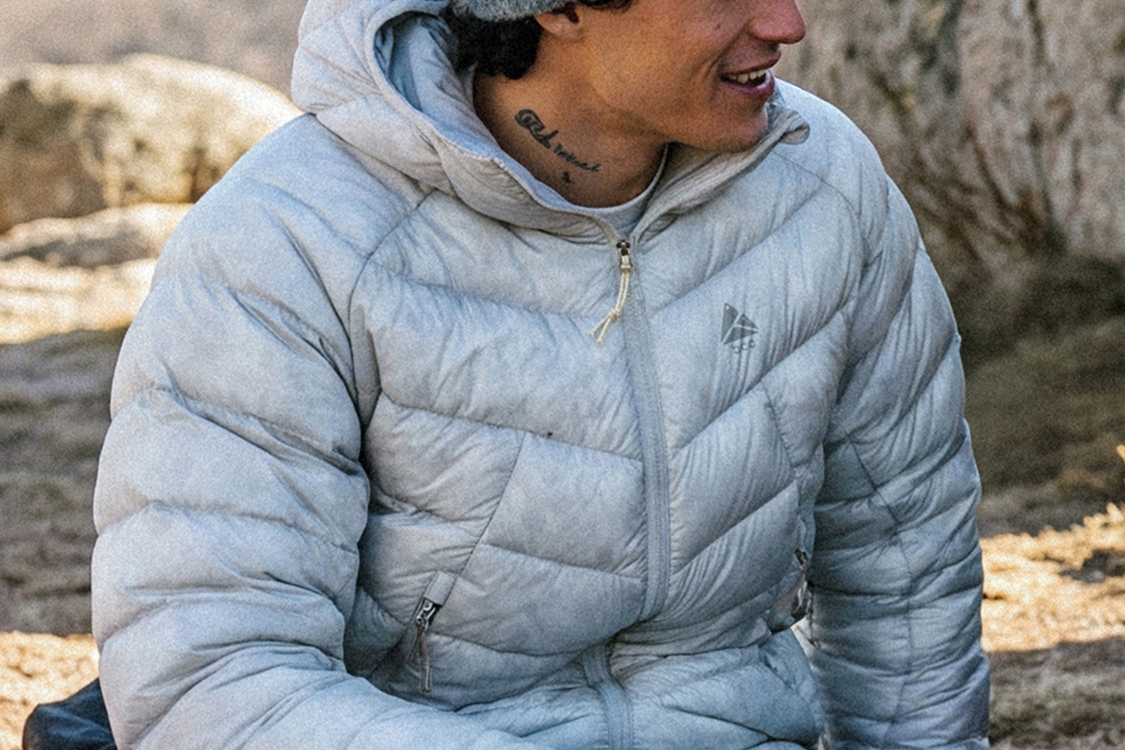
Blackyak's Stonemaster Light Down Jacket, launched Sept. 3, has also proven popular. Since its release, the product page has logged more than 60,000 views and cumulative sales have surpassed 13,000 units.
SPA (specialty store retailer of private-label apparel) brands have also turned to sheer fabric to stand out. Spao, which drew strong sales last year with its Thin Light Hood Jacket at 59,900 won ($45), has released the Sheer Hood Jacket this year at 69,900 won. Musinsa Standard has introduced a sheer ripstop hooded light down jacket priced at 129,900 won. Some colorways, including light gray and black, have already sold out.
Beyond fabric, brands continue to experiment with design and weight. LF's premium casual brand Hazzys unveiled a lightweight outerwear line called NOVA for the fall-winter season. In a market long dominated by sports and outdoor labels, Hazzys is differentiating on fabric, color and silhouette to sharpen its fashion credentials.
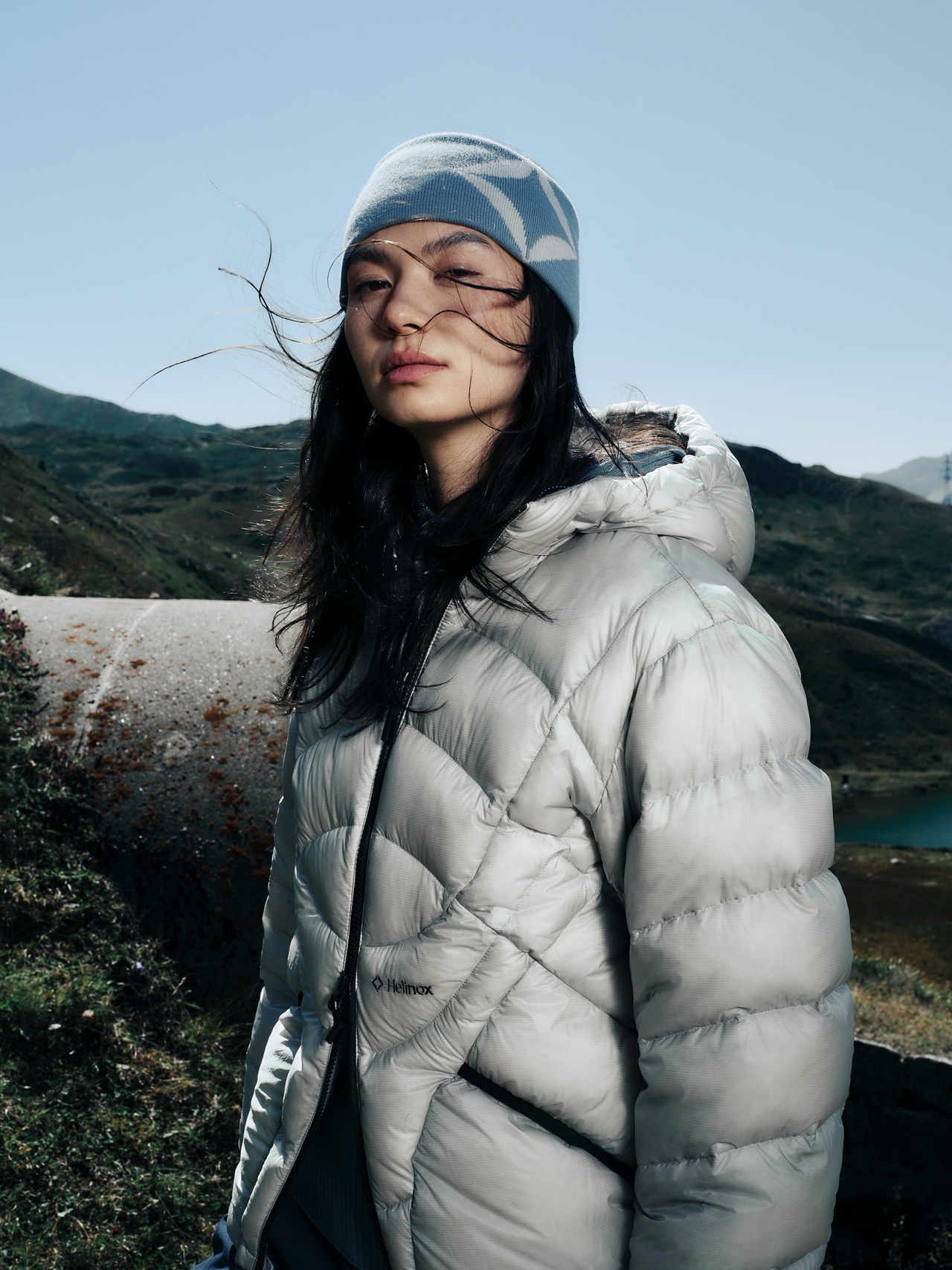
Helinox Wear has leaned into ultralight construction and three-dimensional structure. Its Eclipse Pack Down Jacket sold out within a month of its launch last fall-winter season and this year won the Best of the Best — the top honor — at the 2026 Red Dot Design Award. The size-L version weighs 320 grams and uses 800-fill-power goose down. A 30-panel three-dimensional structure prevents down leakage. For this season, the brand has increased production volume and expanded colorways from three to four.
New Balance applied 7-denier ultralight yarn and a down-leakage-prevention coated fabric to its Flying 77 Goose Down jacket and broadened the color selection to include ash blue, among others. Some hooded versions sold out their initial stock on launch day.
"Lightweight puffers are a core winter product with recurring demand every year, so identifying elements that set new products apart from existing ones is critical," an industry official said. "The push to create new purchase demand — by refining not just materials and design but also weight and versatility — will continue."

siuu@heraldcorp.com