Interview with Hayama Koremasa, associate professor of dermatology at Nihon University School of Medicine
'Even 12,000 yen a month is a burden — patients cheered when it dropped into the 9,000-yen range'
'Biosimilar incentives are essential as university hospitals bleed red — our hospital plans to switch all 100 patients'
'Step 2 is the core of the 2026 urticaria guidelines — real-world Japanese data will seal the deal'
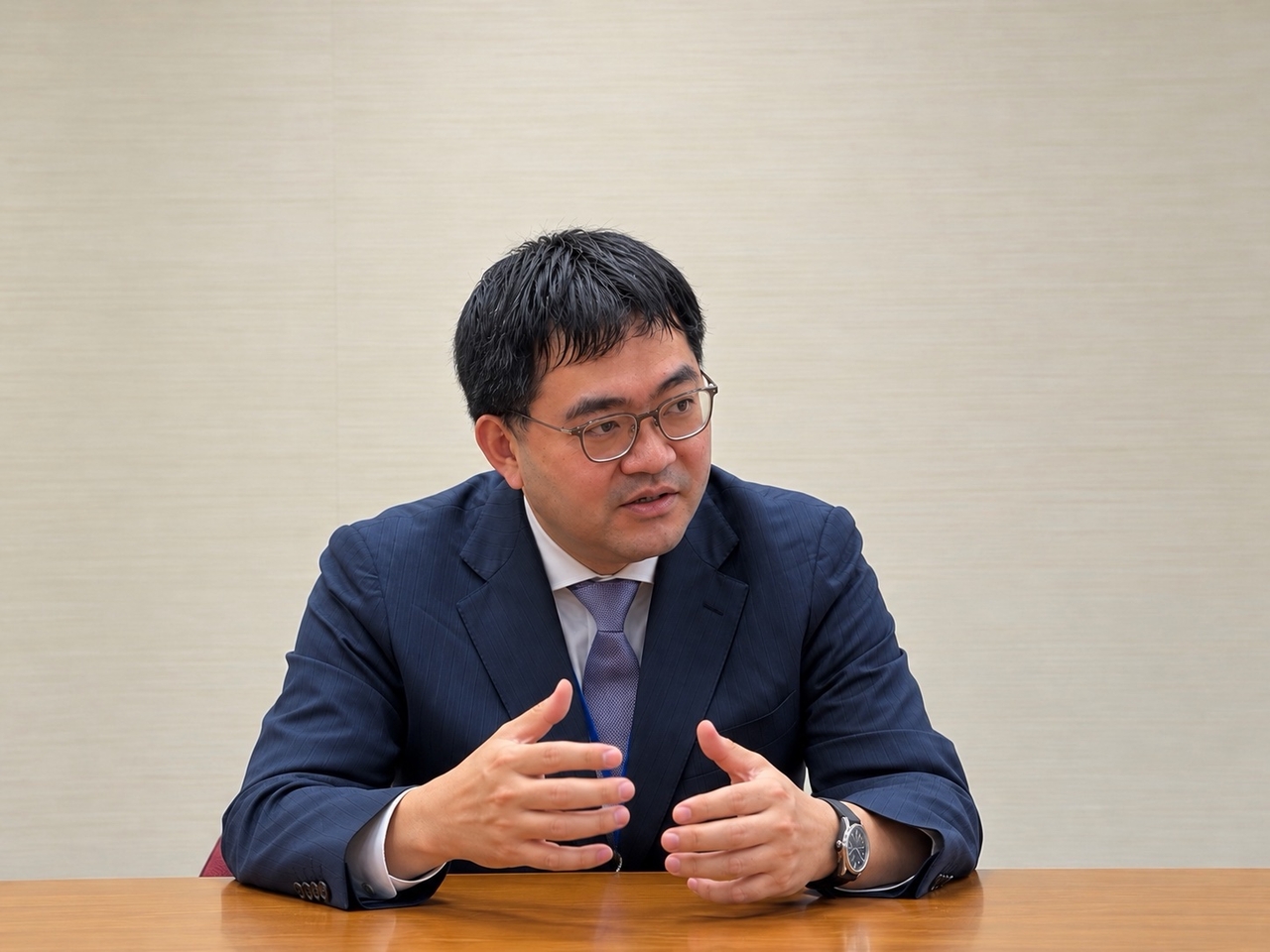
"For Japanese people, 10,000 yen ($63) is the highest denomination banknote, so the psychological resistance to spending that much is strong. Even though the originator's price has come down considerably, it still runs about 12,000 yen a month, and young patients and part-time workers have been hesitant to seek treatment because of that. Celltrion's Omryklo broke through the 10,000-yen barrier by bringing the monthly cost into the 9,000-yen range — about 300 yen a day — and for the first time it has become a treatment that anyone can afford without hesitation."
Hayama Koremasa, associate professor of dermatology at Nihon University School of Medicine and a member of the drafting committee for Japan's 2026 Urticaria Clinical Practice Guidelines, offered that assessment Friday on the sidelines of the World Allergy Congress 2026 at the International Conference Center Kyoto, where he spoke about the significance of Celltrion's first omalizumab biosimilar, Omryklo (approved in Japan as omalizumab BS subcutaneous injection [CT]).
Hayama is one of Japan's leading clinical experts in chronic urticaria and a key opinion leader driving the revision of the country's dermatology guidelines from the front lines of clinical practice.
'The price of a can of Red Bull': Cost barrier that shut out young parents and workers finally falls
Hayama has paid close attention to the financial circumstances of the chronic spontaneous urticaria patients he sees in his clinic. Chronic urticaria is an autoimmune condition marked by unexplained wheals and unbearable itching lasting six weeks or more.
"A significant share of chronic urticaria patients are women in their 30s and 40s and young working adults," he said. "Mothers busy raising children are reluctant to spend a lot on their own health, and for young people in unstable, part-time jobs, a monthly drug bill exceeding 10,000 yen has been a heavy burden."
He added that when the original Xolair first came to market, patients' out-of-pocket cost reached 27,000 yen a month, and even after it fell to 12,000 yen, many patients still gave up on treatment. "When I asked patients how much they would be willing to pay, the most common answer was 'less than 10,000 yen,'" he said.
Hayama illustrated Omryklo's pricing impact with everyday consumer goods. "Once Omryklo launches, the monthly out-of-pocket cost drops to about 9,000 yen — roughly 300 yen a day," he said. "That is no more than a cup of coffee at a convenience store, or a can of the energy drink Red Bull, which costs about 220 yen in Japan. It will dramatically lower the barrier to treatment."
'Scratching until they bleed at night, worn out by day — bosses think they're faking it'
Chronic urticaria is far more than a simple itch. It devastates quality of life and drives social isolation.
"Symptoms peak at night as body temperature rises, keeping patients awake as they scratch until they bleed," Hayama said. "Completely deprived of sleep, they suffer a sharp drop in concentration and overwhelming drowsiness during the day — Japanese data show labor productivity falls by more than 30 percent."
He said the condition carries a hidden cruelty: the visible lesions often subside entirely during the day. "When patients tell their boss at work that urticaria is making their life difficult, they are frequently met with 'You look fine — are you just making excuses?' The fact that their suffering goes unrecognized by family and colleagues is what wears patients down the most," he said.
Hayama described omalizumab as a drug that delivered a remarkable impact for severe patients whose symptoms could not be controlled even with high-dose antihistamines, sometimes clearing symptoms within a week. "However, 40 percent of patients whose response comes on slowly could not hold out for three to four months and ended up stopping treatment because of the cost," he said. "With an affordable biosimilar available, we will be able to keep those patients on therapy all the way to remission."
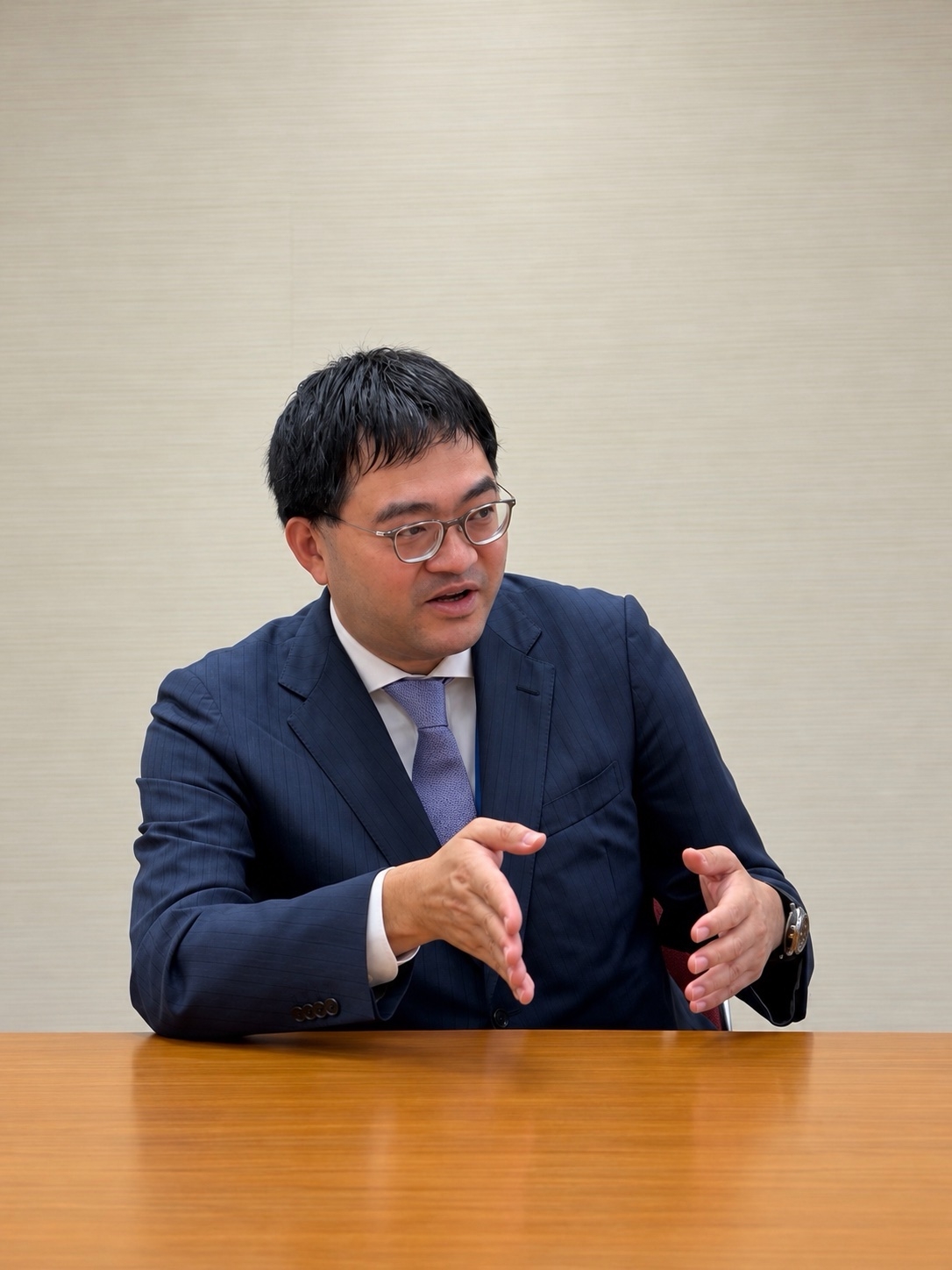
'Biosimilar incentives essential as university hospitals run deficits — our hospital will switch all 100 patients'
Hayama said Japan's hospital management environment and government policy will together push Omryklo prescriptions sharply higher.
"Almost every university hospital in Japan is struggling with serious operating deficits, so they are structurally compelled to capture every yen of the biosimilar incentive the government offers when a biosimilar is prescribed," he said. "Hospital management is already issuing strong directives to prescribe biosimilars wherever possible."
He said the dermatology department at Nihon University Hospital alone treats about 100 patients a month with omalizumab. "Once Omryklo is formally launched, I plan to explain to patients that the efficacy and safety are identical while the monthly cost falls by several thousand yen or more, and to switch the great majority to Omryklo," he said.
Hayama said the broad biosimilar conversion now under way across Japan's hospitals is an unstoppable trend. He also dismissed any clinical resistance to the fact that Omryklo's lineup does not include a single 300 mg formulation for severe patients, requiring two injections of 150 mg instead.
"When I told patients in advance that they would need two injections but the drug would cost more than 3,000 yen less, 100 percent of them readily said they would take the biosimilar," he said. "On top of that, if Celltrion has incorporated pain-reduction features such as a thin-wall needle and citrate-free formulation, there is no question about patient acceptance."
2026 urticaria guideline revision: 'Japanese real-world data is the key to lasting trust'
Hayama also outlined the direction of the forthcoming Japan Urticaria Clinical Practice Guidelines 2026. "H2 blockers and other treatments included in Step 2 of the previous guidelines have been pushed aside due to weak evidence," he said. "In the 2026 revision, omalizumab and dupilumab will be clearly established as the core treatments at Step 2."
He added that Japan's guidelines are likely to evolve in the same direction as those in Europe and elsewhere, eventually moving toward a principle of prescribing biosimilars first when a biosimilar exists for a given drug.
Hayama also shared a clinical tip: for patients whose total serum IgE level is extremely low — below 86 IU/mL on a blood test — omalizumab tends to be less effective, so his hospital screens patients using the IgE biomarker and applies precision prescribing tailored to each individual.
He identified the rapid accumulation of Japanese real-world data as the single most important task for Omryklo to build lasting trust in the Japanese market.
"Japan's medical community and its more conservative older patients will only fully open their minds once clinical data specifically from Japanese patients is firmly in hand," he said. "If Celltrion systematically builds up large-scale post-marketing surveillance and real-world prescription data from Japanese patients right after launch and communicates those findings to the academic community, it will establish itself as the undisputed leader in Japan's dermatology market."
silverpaper@heraldcorp.com