Prompted by DN Automotive case, ministry to finalize inspection plan this week; battery and electrical equipment manufacturers among targets; chelation therapy use to face scrutiny; lawmakers raised concealment allegations at national audit; ministry acknowledges delayed response
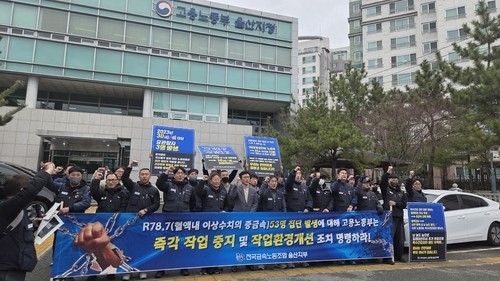
South Korea's Ministry of Employment and Labor plans to inspect more than 150 workplaces nationwide deemed at high risk of lead exposure, following allegations that DN Automotive concealed workers' lead exposure and manipulated health examination results.
The ministry will select workplaces with elevated lead-exposure risks — including primary and secondary battery manufacturers — and focus its inspections on whether chelation therapy was administered, how the results of special health examinations were followed up, and the overall state of workplace environment management.
Ryu Hyeon-cheol, director general of the ministry's Occupational Safety and Health Bureau, told reporters at Government Complex Sejong on Monday that the ministry would draw up a detailed inspection plan this week, though a start date has not yet been set.
Industries targeted include primary and secondary battery manufacturing, other electrical equipment manufacturing and household appliance manufacturing. The high-risk workplaces were selected separately from 14 battery manufacturers of the same type that were already inspected. Key items under review include whether chelation therapy was used, follow-up management of special health examination results, and the adequacy of workplace ventilation and local exhaust systems. The ministry said it will pay particular attention to whether chelation therapy was used in a way that artificially influenced health examination outcomes.
The expanded inspections were prompted by allegations that DN Automotive attempted to conceal workers' lead exposure. The company is suspected of using chelation therapy — a treatment that accelerates the removal of heavy metals from the body — to artificially lower workers' blood lead levels and skew health examination results.
The allegations drew scrutiny at the National Assembly's national audit of the ministry by the Climate, Energy, Environment and Labor Committee on Tuesday.
Democratic Party of Korea lawmaker Kim Tae-seon raised allegations that some workers received chelation injections believing they were vitamin shots, and called for DN Automotive's chief executive and affected workers to appear before the Assembly. Democratic Party lawmaker Ahn Ho-young said the incident could undermine the credibility of the special health examination system.
Whether health examination institutions were involved is also a point of contention. The ministry determined in August that directly penalizing those responsible for allegedly manipulating blood lead levels through chelation therapy would be difficult under the Occupational Safety and Health Act, and referred the matter to police for investigation. It also handed over related materials to police to determine whether the examination institutions knew in advance the purpose of the blood draws.
However, critics have noted that the ministry's follow-up response has been slow. Although the ministry ordered emergency health examinations to assess the condition of workers exposed to lead, those examinations have yet to take place. "I feel fully responsible for the delay in follow-up measures to improve the workplace environment and protect workers' health," Ryu said.
Meanwhile, an occupational safety and health inspection of DN Automotive's two factories in Ulsan in March found violations of the Occupational Safety and Health Act. The ministry referred 68 cases to prosecutors and imposed fines totaling 46.2 million won ($34,400). It also issued work-suspension orders for equipment posing lead-exposure risks and inspected 14 other battery manufacturers of the same type to check for similar violations.
fact0514@heraldcorp.com