
About 10,000 civil servants to relocate to Sejong from next year through 2031
Around 60,000 apartments still to be built; special supply controversy reignited
Pre-sale price of 310 million won per unit; market value hit 820 million won before program ended
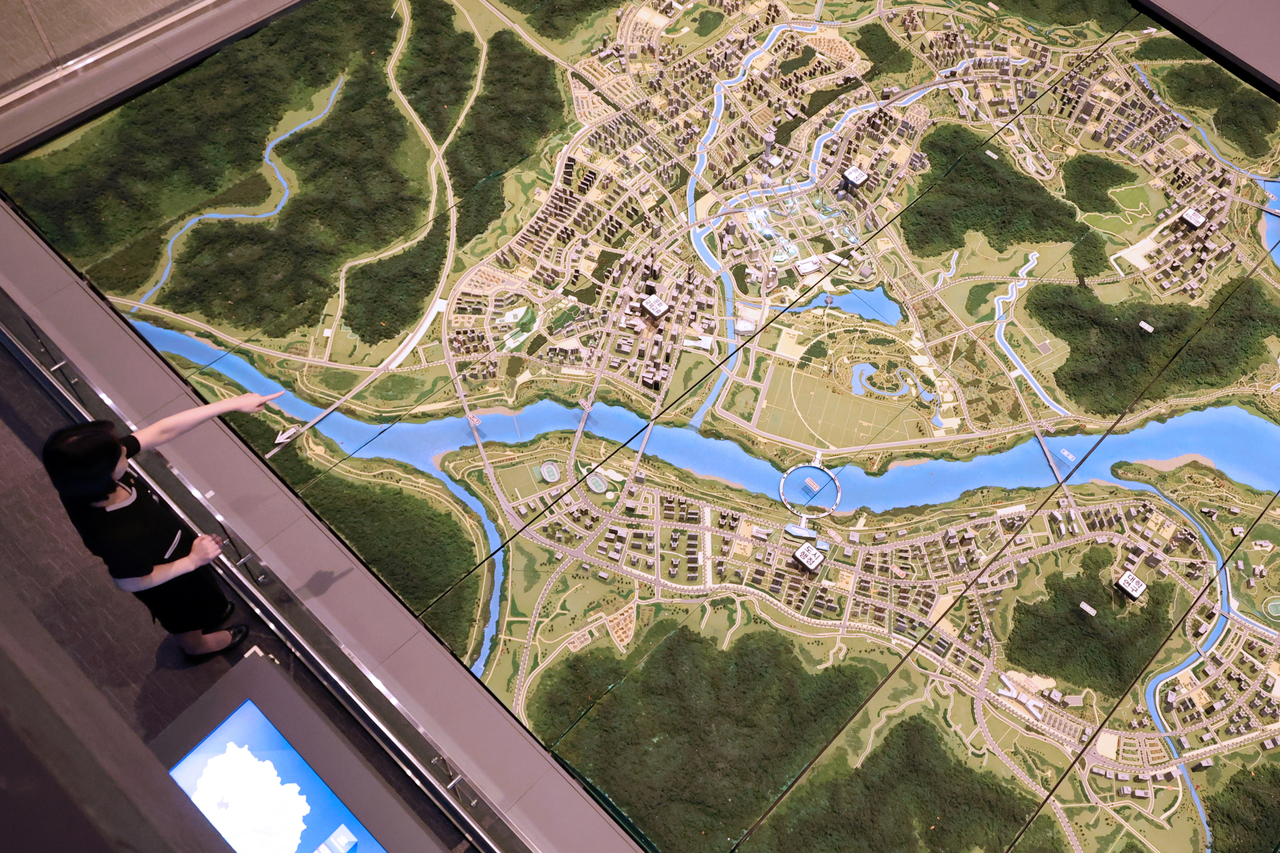
The government's announcement of plans to relocate 44 central administrative agencies from the greater Seoul area to Sejong has reignited debate over whether to revive a special apartment supply program for relocating civil servants. With President Lee Jae Myung personally pushing for "zero Seoul retention," calls are growing for a residential settlement program for civil servants — though the Ministry of Land, Infrastructure and Transport has said it will proceed cautiously given past allegations of preferential treatment.
According to related ministries Wednesday, the 44 agencies set to relocate to Sejong in phases from next year through 2031 include the Ministry of Justice, the Ministry of Gender Equality and Family, the Ministry of Foreign Affairs, the Ministry of Unification and South Korea's Ministry of National Defense. A total of 9,929 civil servants are slated for relocation, meaning roughly 10,000 government workers will shift their workplaces to Sejong starting next year.
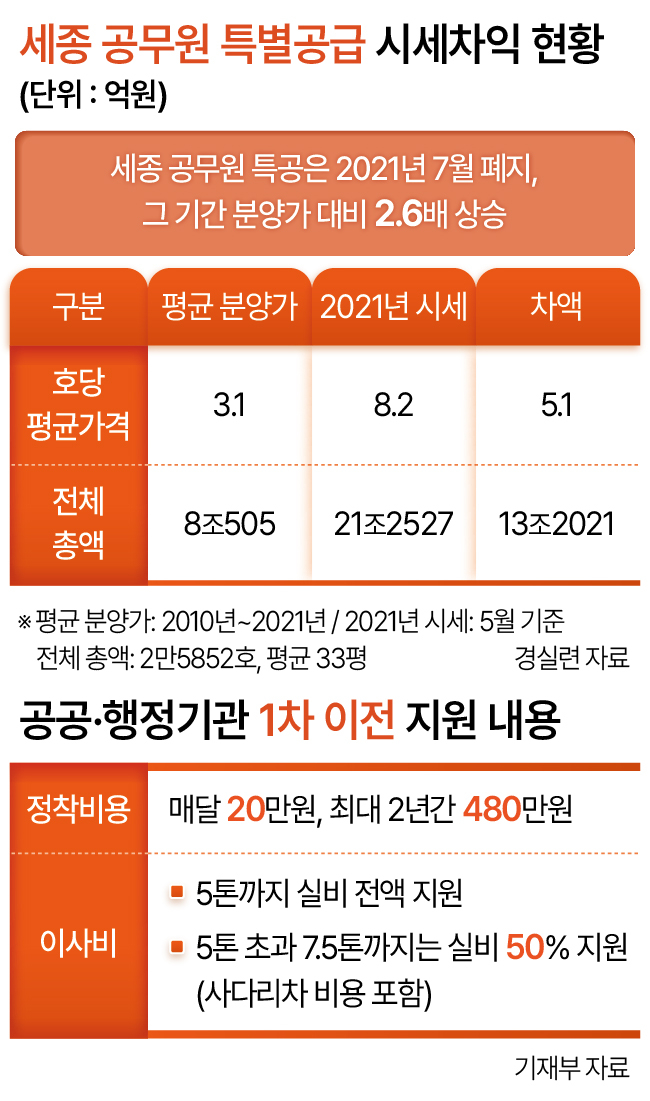
The Ministry of Interior and Safety said it would prepare support measures covering housing, transportation and moving costs to help relocating civil servants and their families settle in Sejong. During the first round of relocations, civil servants received up to 200,000 won ($149) per month for up to two years, for a maximum total of 4.8 million won per person. Full moving costs were also covered for loads of five tons or less. Support amounts are expected to increase in line with inflation.
The prospect of a large-scale workforce migration has also prompted speculation that the special apartment supply program for Sejong could be revived. The program was introduced in October 2010 to help employees of central administrative agencies settle in the city, allowing up to 70 percent of new apartment units to be offered to relocating agency workers on a priority basis. It was abolished in July 2021, however, after controversies erupted over fraudulent subscriptions and market-price gains of hundreds of millions of won per unit.
For now, the existing housing supply pipeline appears sufficient to absorb the incoming workforce, making an immediate revival of the special supply program unnecessary. According to Sejong City and the Multifunctional Administrative City Construction Agency, the total planned housing supply within the Administrative City stands at around 200,000 units, of which approximately 140,000 have already been supplied. The agency said it plans to add more than 60,000 apartment units in line with plans to relocate the presidential Sejong office and the National Assembly's Sejong chamber. Between 4,000 and 5,000 units are scheduled for supply each year for the time being.
"About 60 percent of the Administrative City can be considered complete at this point," an agency official said. "There is still roughly 40 percent of the land left to build on."
Sejong City has taken the position that the special supply program must be revived to ensure civil servants can settle there stably. Sejong Mayor Jo Sang-ho, speaking at a briefing at Sejong City Hall on Tuesday, said the city would "continue to push for the introduction of a regional government head's special housing supply tied to the timing of relocation notices, and for the resumption of special housing supply at the central ministry level."
At a press briefing Thursday, Jo also said he did not believe the program had any serious flaws warranting its suspension, adding that he had already recommended to the agency that the special supply system be reinstated.
The Ministry of Land, Infrastructure and Transport, by contrast, has indicated it would be difficult to hastily revive the special supply program given the preferential-treatment controversy it previously triggered. The sharp rise in apartment prices under the program is expected to weigh on any discussion of its reinstatement.
According to the Citizens' Coalition for Economic Justice, a total of 25,852 units across 127 complexes were supplied to Sejong civil servants through the special program between 2010 and 2021. The average pre-sale price over that period was 310 million won per unit, but by May 2021 — just before the program was abolished — the average market price had surged to 820 million won. That represents an average gain of 510 million won per unit, or roughly 2.6 times the original pre-sale price.
A program introduced to help civil servants put down roots in Sejong thus ended up generating substantial asset appreciation. Critics have argued that the special supply scheme went beyond supporting actual residents and became a vehicle for capital gains, and observers say any revival would require safeguards to prevent a repeat of the preferential-treatment controversy.
"A task force on ministry relocation has been formed jointly by related ministries and has begun discussing housing issues — including special supply — as well as transportation," a Ministry of Land, Infrastructure and Transport official said. "Since this is a program that was previously abolished, we feel it needs to be approached carefully, and nothing has been decided yet."
hss@heraldcorp.com




