Financial authorities introduce conditional bad-debt recognition system to curb pursuit of overdue loans after tax relief is granted; banks and insurers capped at 50 million won, savings banks at 30 million won
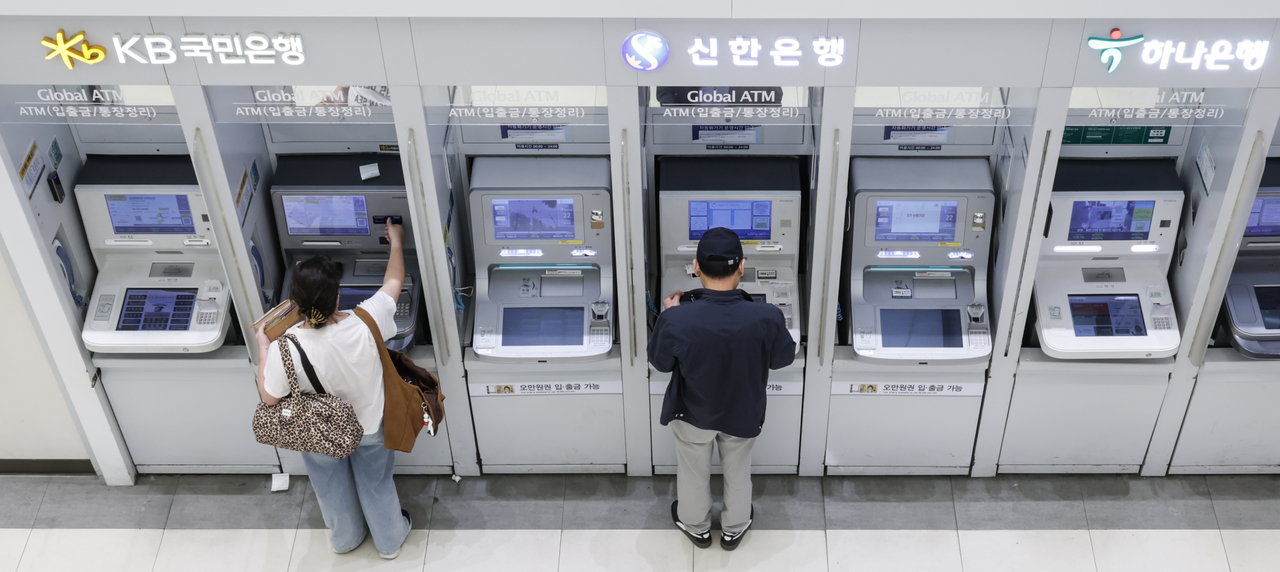
Financial companies will now have to formally pledge to the government that they are relinquishing their rights to overdue loans before they can receive corporate tax breaks through bad-debt recognition. The Financial Services Commission moved to overhaul the system after a growing number of lenders were found to be exploiting an existing rule — claiming tax relief by classifying delinquent loans as "estimated losses" while continuing to pursue debt collection.
The FSC said Monday that revised rules centered on a new "conditional bad-debt recognition system" will take effect, governing how financial institutions apply for bad-debt recognition.
The revision was designed to curb the financial sector's practice of extending statutes of limitations on overdue debt, as part of a broader push for inclusive finance.
Under the previous system, financial companies could classify hard-to-recover delinquent loans as "estimated losses" and apply to regulators for bad-debt recognition. Once approved, the loans were treated as losses under tax law, entitling the lender to a corporate tax deduction.
According to financial authorities, a significant number of lenders had been receiving those tax benefits while continuing to pursue debt collection through legal channels such as filing for payment orders. In response, regulators linked bad-debt recognition to debt collection practices in the revised rules.
Under the revision, a new conditional bad-debt recognition system will be introduced for individual delinquent loans, under which recognition is granted on the premise that the statute of limitations will be allowed to expire.
When applying for bad-debt recognition on an overdue loan, a financial company must now commit to letting the statute of limitations run out on the scheduled expiry date. Once the statute of limitations expires, the creditor can no longer demand repayment from the debtor — in effect, a formal waiver of the claim.
However, taking into account the burden on financial companies' soundness management and the need to protect small borrowers, the FSC decided to apply the rule only to overdue loans of 50 million won ($37,300) or less for banks and insurers, and 30 million won or less for savings banks and credit card companies.
To guard against moral hazard on the part of debtors, the rules also include exceptions — for instance, when hidden assets belonging to the debtor are discovered.
The obligation to let the statute of limitations expire applies even when a recognized bad debt is sold to another financial institution. Regulators will require that the scheduled expiry date and the obligation to complete the limitations period be stated explicitly in debt-sale contracts, and that the original creditor report to the FSC on whether the buyer has fulfilled that obligation.
"We expect the revision to significantly strengthen protections for delinquent debtors — giving long-term borrowers a path out of the endless cycle of debt collection and a foundation to return to normal economic life," an FSC official said.
The new rules will apply starting with bad-debt write-off applications filed in the fourth quarter of this year. A separate revision to best-practice guidelines — requiring lenders to voluntarily abandon collection efforts on loans where the debtor is deemed unable to repay within three years of a statute-of-limitations extension, even before the limitation period arrives — also takes effect Monday. The FSC said it is also preparing to require public disclosure of debt-restructuring performance by sector.
hyuk@heraldcorp.com