Lee named People Power Party's Dongdaemun-gap organizational committee chair, marking full return to local politics three months after losing reelection bid
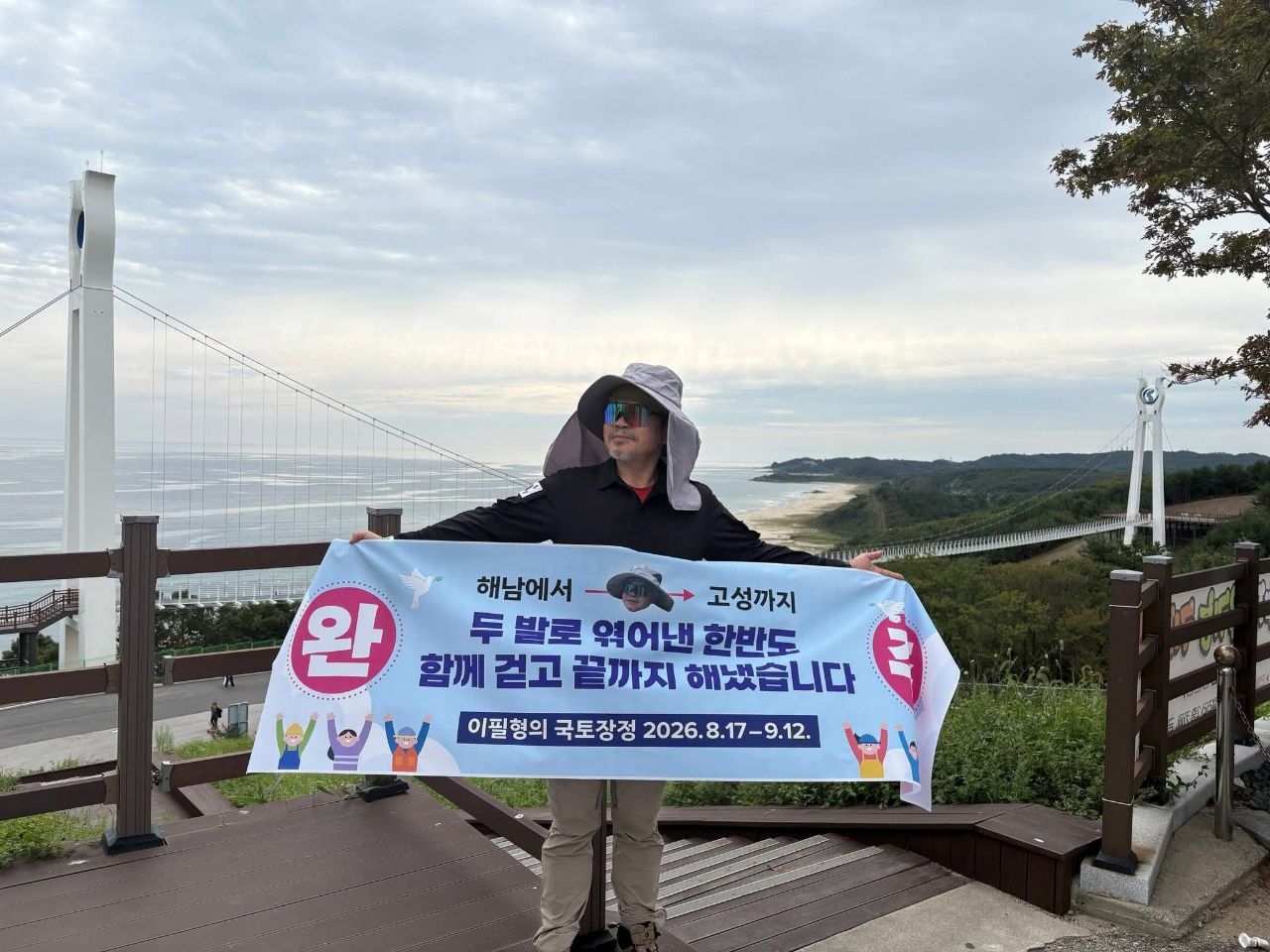
Attention is turning to whether former Dongdaemun-gu District Mayor Lee Pil-hyung could make a run for the National Assembly.
On Tuesday, Lee was selected as the candidate for organizational committee chair of the People Power Party's Dongdaemun-gap chapter through a primary election held by the party's special committee on organizational strengthening — marking his full return to local politics roughly three months after failing in his bid for a second term as district mayor.
The appointment draws attention because the organizational committee chair role can serve as a political foundation for a future National Assembly race. However, the selection does not automatically translate into a general election candidacy; how Lee builds his standing within the party and wins over local public sentiment will be the deciding factor.
A Korea University graduate, Lee previously served in key posts at the National Intelligence Service, including as head of the political affairs division, and as an administrative official at Cheong Wa Dae before becoming the eighth directly elected district mayor of Dongdaemun-gu — the neighborhood where he spent his school years.
During his tenure, he pursued a range of projects aimed at local development and improving residents' living environment, including an initiative to transform the district into a "city of flowers."
Lee ran for reelection in the local elections in June but was defeated. He did not step back from public life after the loss, however, embarking on a 27-day cross-country trek from Haenam in South Jeolla Province to the Unification Observatory in Goseong, Gangwon Province.
His drive predates his political career. He is also an author who has written about personal experiences including traversing the Baekdudaegan mountain range and climbing in the Himalayas. The experiences he accumulated on mountains and trails are now drawing attention as a distinctive part of his profile as he pursues a political comeback.
Focus now turns to whether Lee can use the organizational committee chair role as a springboard to reorganize the local party structure and rebuild his political standing.
Ahead of the next general election, how much support he can secure from party members and local residents is expected to determine the course of his next moves.
His four years of active community engagement as Dongdaemun-gu district mayor are seen as a significant asset should he mount a general election campaign.
Whether Lee can overcome his district mayoral defeat and pursue a seat in the National Assembly remains to be seen. The political community in Dongdaemun is watching closely to see what changes his potential comeback could bring to the local political landscape.
seouldream01@heraldcorp.com