Seoul Metro argues that laws mandating free rides for veterans and patriots without compensation violate constitutional property and equality rights; losses have grown each year since a 2023 expansion of eligibility, while the government continues to subsidize Korail but not Seoul Metro.
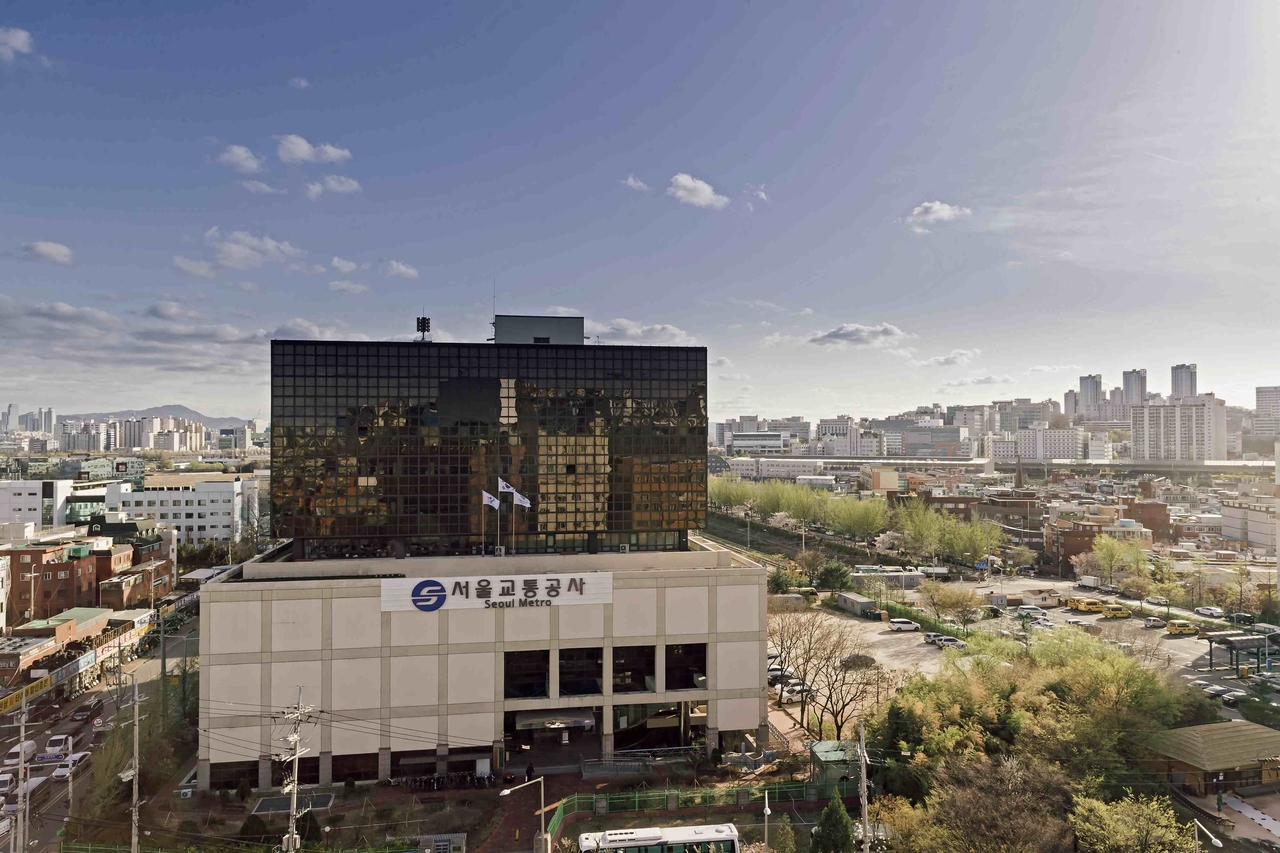
Seoul Metro filed a constitutional complaint with the Constitutional Court on Thursday, demanding compensation for revenue losses incurred from providing free rides to veterans and other state-designated beneficiaries.
The losses have grown each year since January 2023, when an amendment to the Act on Support for Patriots and Veterans Compensation expanded free-ride eligibility to include military personnel and civil servants injured in disasters. The shortfall stood at 3.4 billion won in 2023, up 400 million won from the previous year, before rising to 3.7 billion won ($2.76 million) in 2024 and 3.9 billion won in 2025.
Seoul Metro said it had repeatedly asked the Ministry of Patriots and Veterans for subsidy payments to cover the losses, but the ministry rejected each request, citing a lack of budget allocation.
The company sued the government in July last year, seeking repayment of roughly 3.7 billion won in 2024 losses as unjust enrichment, but a court of first instance dismissed the case in September.
After reviewing the ruling, Seoul Metro concluded that challenging the constitutionality of the free-ride statutes would be more effective than filing an appeal, and proceeded with the constitutional complaint. The provisions it is challenging are as follows.
The complaint targets five statutory provisions Seoul Metro considers unconstitutional: Article 66, Paragraph 2 of the Act on the Honorable Treatment of and Support for Persons of Distinguished Service to the State; Article 87, Paragraph 2 of the Act on the Honorable Treatment of Persons of Distinguished Service to the May 18th Democratization Movement and the Establishment of Related Organizations; Article 22, Paragraph 2 of the Act on the Honorable Treatment of Persons of Distinguished Service to Independence; Article 54-4, Paragraph 2 of the Act on Support for Patriots and Veterans Compensation; and a portion of Article 2 of the Framework Act on Railroad Industry Development that limits the application of Article 32 of the same act to railroads falling under the categories listed in Article 2.
In its filing, Seoul Metro identified as the core problem the fact that while Article 66, Paragraph 1 of the Act on the Honorable Treatment of Persons of Distinguished Service to the State and related provisions impose a mandatory free-ride obligation on the company, they contain no specific provisions for subsidy payments to offset the resulting revenue losses. Seoul Metro argued this violates Article 23, Paragraph 3 of the Constitution, which requires just compensation when property rights are restricted for public necessity, and amounts to forcing the company alone to bear a "special sacrifice" that excessively infringes on its constitutionally guaranteed property rights.
The filing also contends that the government's practice of paying free-ride subsidies selectively — to some public transit operators but not others — violates the constitutional right to equal treatment. On Line 3 between Ogeum and Daehwa stations, for example, Seoul Metro operates 299 runs compared with Korail's 107, roughly 2.8 times as many, meaning it generates more public benefit and absorbs greater losses. Yet the government pays subsidies only to Korail.
The government has allocated 399.6 billion won in public service obligation subsidies for free rides in 2026 alone, all directed to Korail.
Seoul Metro President Kim Tae-gyun said providing free rides to honor veterans and patriots is a duty the state and Seoul Metro must fulfill together, but added that uncovered losses from free rides on a subway system used by millions of citizens every day have grown to an unmanageable level, making it urgent to secure a stable and sustainable operating framework. "I hope this constitutional complaint brings Seoul Metro's difficulties into broader public debate and helps create an environment where we can receive fair subsidies for the public services we provide," he said.
If the Constitutional Court rules the challenged provisions unconstitutional, Seoul Metro plans to seek a retrial of the civil case dismissed in September and pursue the subsidy payments through that route.
The company also said it would continue pressing the government to devise measures to address losses from free rides for passengers aged 65 and older.
seouldream01@heraldcorp.com