'What matters more than how fast we build is how residents live'
Lawmaker diagnoses causes of redevelopment delays, stresses need to ease cost and relocation anxiety
Calls for closing blind spots in aging low-rise neighborhood renewal; focuses on housing stability for youth and low-income residents
Seeks solution to long-stalled Sangdo community facility project, weighing public asset value against resident benefit
Plans 110-space public parking lot near Namseong Sagye Market to improve access; pledges community-focused legislative work
Debates over expanding Seoul's housing supply tend to focus on how many more units can be built and how quickly project timelines can be compressed. But for residents waiting on redevelopment, the more pressing questions are different: whether they can afford the additional cost assessments, where they will live during the relocation period, and when they will finally be able to leave their deteriorating homes.
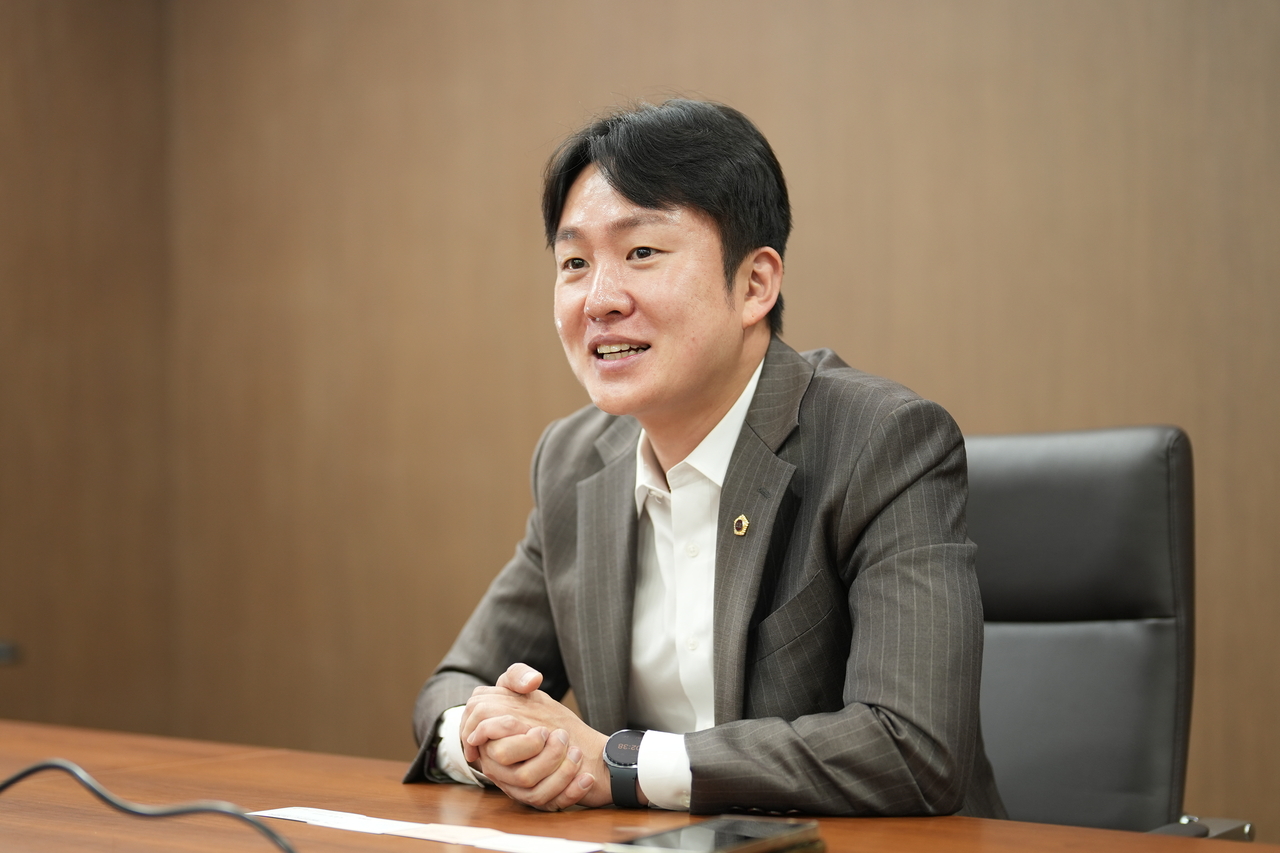
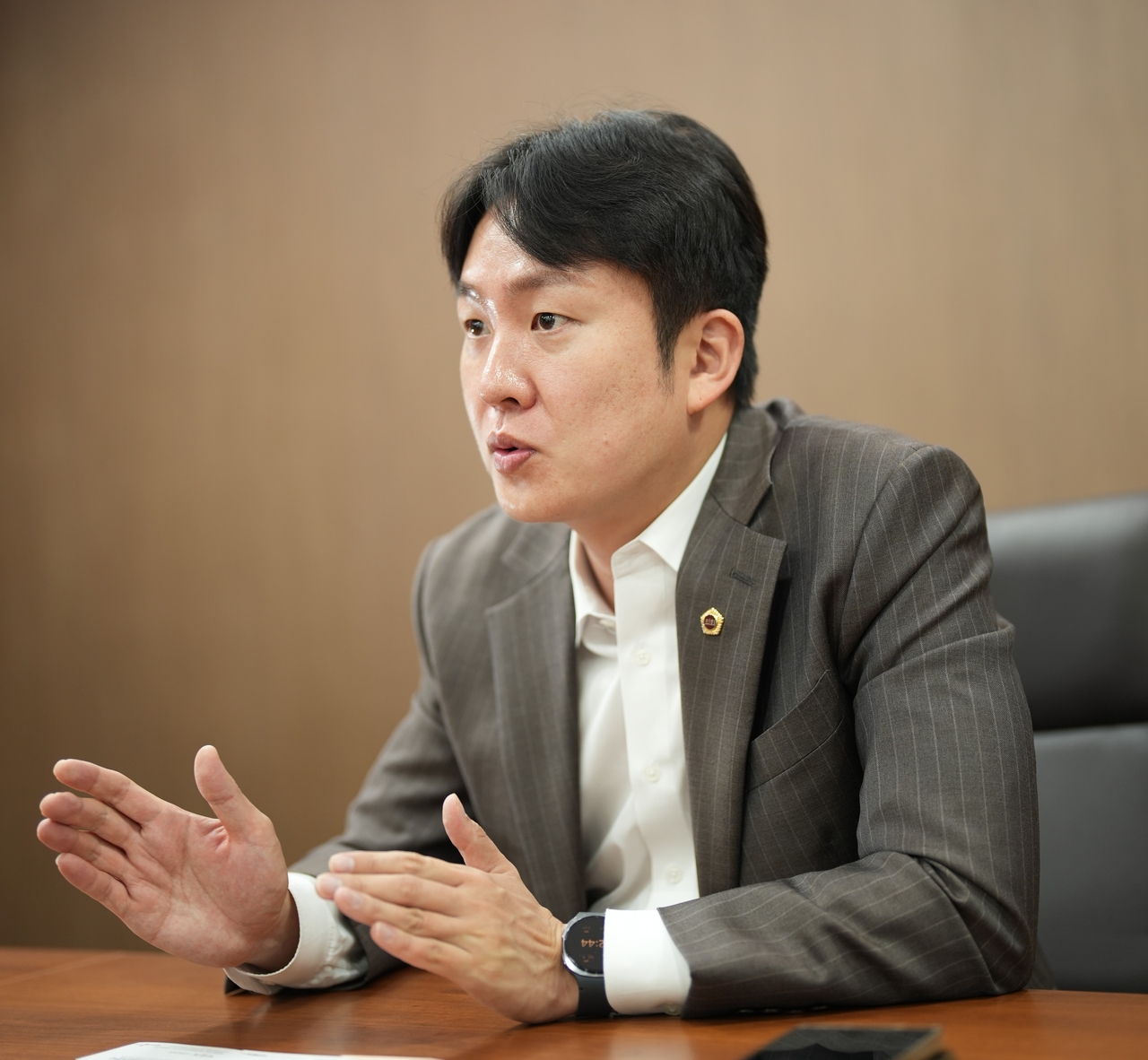
Seoul Metropolitan Council member No Seong-cheol of the Democratic Party of Korea, representing Dongjak-gu's third constituency, believes those questions are precisely what determines whether a housing policy succeeds or fails. Raising supply targets matters, he argues, but so does reducing uncertainty during the project process and extending policy support to residential areas left behind by development.
"What matters to residents is not just the announced supply figures," No said in an interview on Wednesday. "What matters is when, where and at what cost they can actually live."
A member of the Seoul Metropolitan Council's housing and space committee, No said large-scale apartment redevelopment and the renewal of aging low-rise neighborhoods must be approached differently. Policies that improve the financial viability of reconstruction and redevelopment projects are necessary, he said, but applying the same prescription to areas dense with multi-unit residential buildings — or where small-scale renewal is difficult — has its limits.
No's interests extend beyond housing policy. He is also focused on resolving longstanding local issues in Dongjak-gu — including the long-stalled Sangdo community facility project, chronic parking shortages near Namseong Sagye Market, and the expansion of cultural and sports facilities — by leveraging Seoul city policy and budget mechanisms.
What he emphasizes is completion over initiation. His aim is to ensure that government plans and budgets actually translate into finished facilities that residents can use.
Easing cost and relocation anxiety is key to faster redevelopment
No does not attribute the slow pace of redevelopment and reconstruction solely to complex permitting procedures. He argues that the financial burden residents must bear during a project — and their anxiety about the future — can generate conflict that ultimately delays the entire schedule.
In particular, he said additional cost assessments driven by rising construction costs, the timing and location of temporary housing during relocation, and the livelihoods of tenants and small merchants are all issues that must be clearly explained and prepared for from the outset.
Even if administrative procedures are streamlined, meaningful speed improvements are hard to achieve if residents cannot predict a project's timeline and costs, he said.
He proposed that Seoul city and district offices clearly communicate what is required at each stage of a project, and that the administrative structure forcing residents to visit multiple departments to repeat the same complaints be reformed.
He also called for expanding the use of electronic voting and online general meetings to improve the efficiency of resident consent procedures. At the same time, he stressed that in-person briefings and face-to-face consultations must run in parallel so that older residents less comfortable with digital tools are not excluded from the decision-making process.
He identified another challenge in redevelopment: the limited practical effectiveness of the small-scale redevelopment regime.
Areas with a genuine need for renewal should not be screened out at the review stage simply because they fail to meet the requirements of the current system, he said. The regime must be applied in a way that reflects each area's individual characteristics — road conditions, zone configuration and area thresholds.
The aging residential area of Sangdo 1-dong is a prime candidate for such a review. No said he plans to analyze in detail the conditions that make renewal difficult there, and to distinguish between what Seoul city can adjust on its own and what requires legislative changes at the central government level.
He also stressed the need to provide residents early on with rough estimates of project costs, expected individual assessments and the availability of infrastructure. The goal, he said, is not to push unconditional expansion of redevelopment but to improve the realistic prospects of completing projects and to prevent conflict among residents.
Long-stalled Sangdo community facility project needs contractual and administrative fixes first
Among the local issues on No's agenda, the Sangdo community facility project stands out as a particular concern.
A long-delayed plan to build a swimming pool and everyday amenities that residents have been waiting for has prompted calls to reexamine how the project is being managed and under what conditions the public land is being used.
In September, No held a meeting with representatives of the company selected through a public tender to review the project's progress and the terms of the business agreement.
Several issues emerged as key areas of scrutiny: whether the Dongjak District Council had given prior approval, whether the existing agreement with the Seoul Housing & Communities Corporation (SH) had been properly resolved, and whether the procedural steps for the new private-sector project had been followed correctly.
He also said close examination is needed of the terms under which public land near the district office's new building would be made available to a private operator for more than 50 years.
The question, he said, is whether an annual usage fee of about 270 million won ($202,000) and a public contribution of around 7 billion won are appropriate given the value of the land and the long-term benefit to residents.
The situation requires balancing two considerations: the need to secure public facilities quickly and the principle of managing public assets responsibly.
"The administration must not shift onto a business operator — who participated in good faith in an official tender — the responsibility for problems the administration itself should have resolved," No said. "At the same time, residents must not be kept waiting indefinitely because of those problems."
He said the priority is for Seoul city, SH, Dongjak-gu and the private operator to clearly define the relationship between the existing agreement and the new project, and to resolve the outstanding legal and administrative issues.
Rather than scrapping the project entirely or pushing it through by force, No said he favors finding an adjusted approach that preserves both the public interest and the project's feasibility.
Namseong Sagye Market parking to expand from 18 to 110 spaces
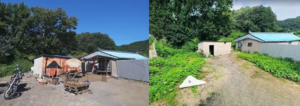
Another issue No is working to resolve is the chronic parking shortage at Namseong Sagye Market.
Traditional markets connect local economies with residents' daily lives, but poor accessibility can make it harder to draw visitors. Markets with too few parking spaces can deter customers who travel by car.
The market's existing parking lot holds just 18 vehicles — far short of what is needed to meet demand from market visitors and nearby residents, No said.
His plan is to secure city funding through Seoul's public parking construction program for residential neighborhoods and work with Dongjak-gu to build a 110-space public parking lot.
The project would go beyond simply adding spaces: he is also reviewing plans to improve pedestrian access routes into the market and to upgrade amenities such as restrooms.
No said he expects the expanded parking to improve access to the market and ease the parking burden on the surrounding residential area.
However, he noted that moving the project forward will require not only securing funding but also reviewing the site, relevant administrative procedures and the future operating model for the facility.
This approach also reflects the fiscal principles he applies as a member of the special budget and accounts committee.
He said that in budget reviews he places as much weight on whether a project can actually be executed as on whether it is needed.
Properly assessing whether a site has been secured, whether relevant agencies have been consulted, whether preliminary administrative steps have been completed, and what the maintenance costs will be after a facility opens is the only way to reduce the problem of budgets sitting unspent for years, he said.
His position is that projects with a genuine need for fiscal support should receive the necessary funding, while projects that are not yet ready should first have the obstacles to their execution removed.
From district to city council: broadening the scope of local problem-solving
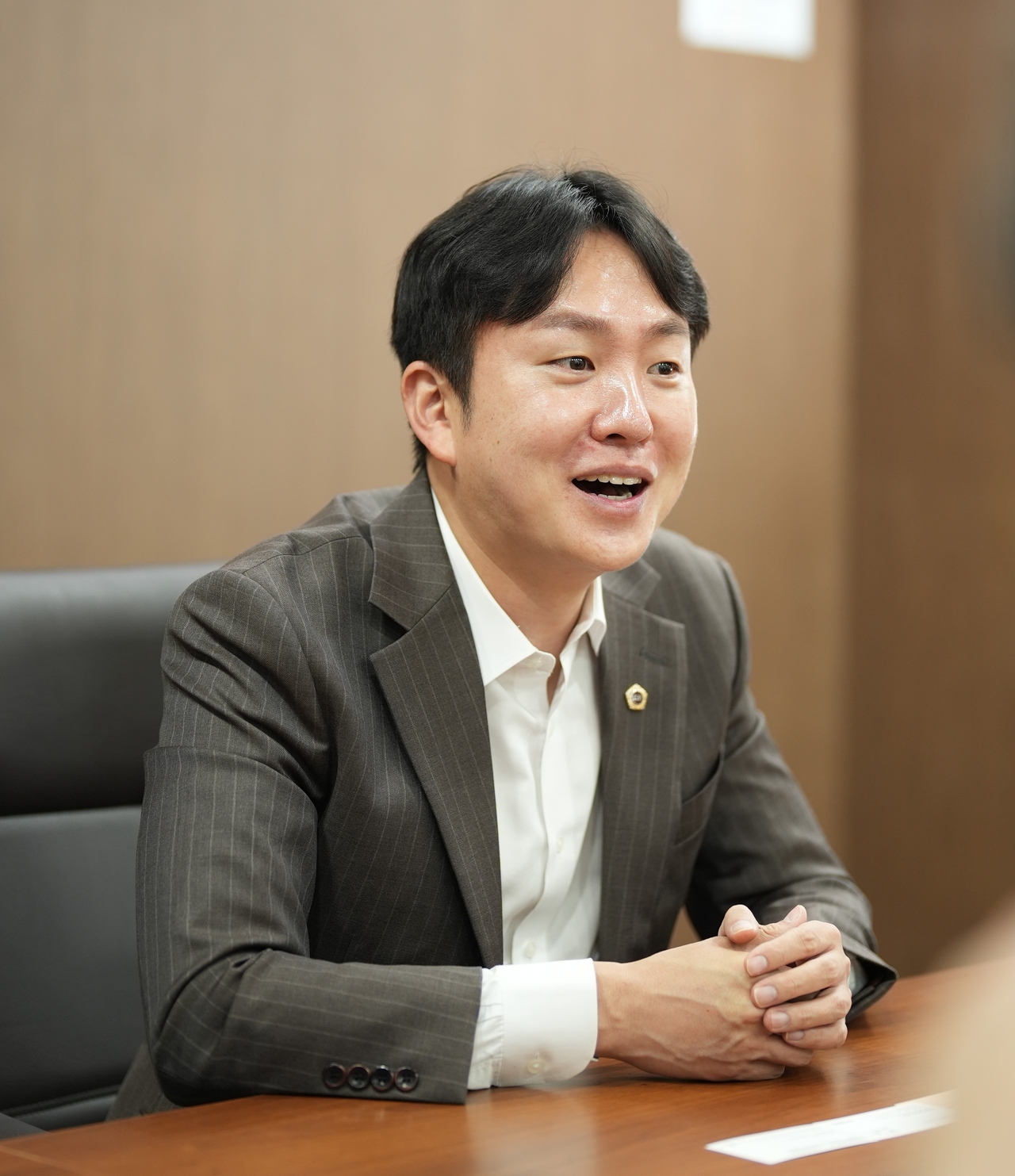
No is carrying the everyday complaints and local issues he encountered during his time on the Dongjak District Council into his work at the Seoul Metropolitan Council.
Where the district council gave him direct exposure to residents' grievances, the metropolitan council allows him to focus on developing solutions through Seoul city policy, budget decisions and coordination with relevant agencies, he said.
Beyond redevelopment and residential environment improvement, he plans to keep a close watch on the progress of ongoing projects in the area — including the expansion of cultural and sports facilities, support for youth, and improvements to transportation and the living environment.
He said he places particular importance not just on whether campaign pledges are being pursued, but on communicating clearly to residents exactly how far the administrative process has advanced and what problems remain.
Long-sought community projects can stall even after funding is secured, due to disagreements between agencies or procedural hurdles, he said. That is why accountability for the process and clarity about what needs to be resolved must be established upfront.
"My goal is for residents to feel that the promises made during the election are actually moving forward and that their lives are genuinely changing," No said. "I will clearly explain where each pledge stands and what is blocking it, and I will show results by securing the necessary budgets and putting the right systems in place."
Expanding housing supply, renewing aging neighborhoods, getting the community facility project back on track, and adding parking near the traditional market belong to different policy domains. But from a resident's perspective, they all shape the conditions of daily life — housing, mobility, leisure and consumption. No's approach to his legislative work is calibrated to that reality: to go beyond policy announcements and budget approvals, identify what is causing delays, and ensure that plans translate into genuine improvements in people's living environment.
7toy7@heraldcorp.com